
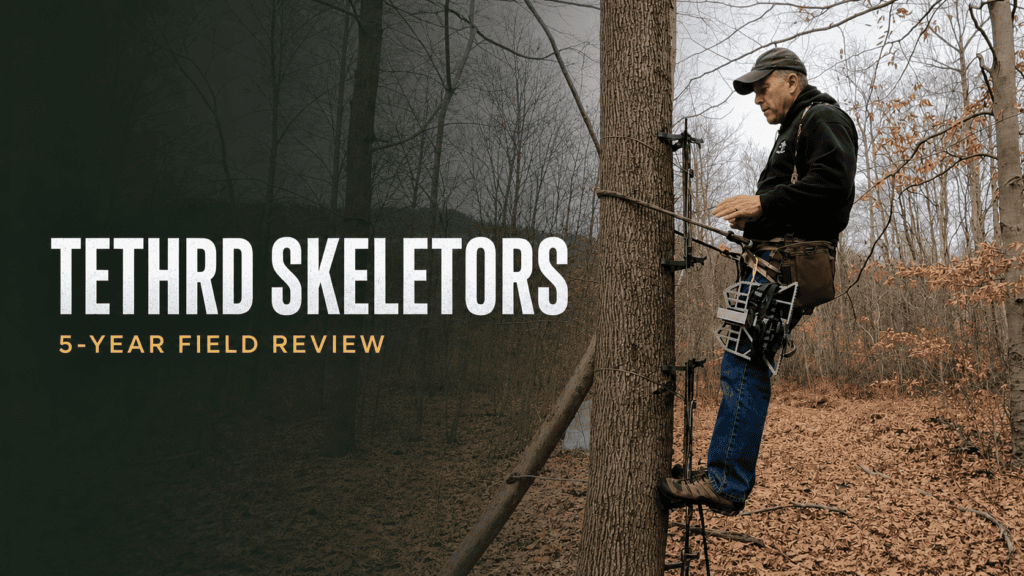
I have used my original Tethrd Skeletors for five hunting seasons. After climbing all kinds of trees and carrying them through years of mobile hunts, they are still my favorite climbing sticks.
They are not the lightest sticks on the market. They are not the most expensive either. What makes them so good is the balance of strength, price, weight, and ease of use. They sit right in the middle of the market, where quality and price come together to create real value.
Important test note: I own and tested the original Skeletors, not the newest upgraded version. My five-year durability results apply to that original set. The current model keeps the same basic design while improving the attachment and rope-management system. I will explain those differences below.
Quick Verdict
The Tethrd Skeletors are the best mid-priced climbing sticks I have used. They are tough, easy to hang, secure on the tree, and simple to carry. My original sticks still have all their original parts after five seasons, including the plastic StickLoc connectors that some hunters worry about.
- Best for: Mobile and saddle hunters who want proven value
- Biggest strengths: Durability, easy setup, secure bite, and comfortable double steps
- Main drawback: They are not an ultralight option
- My test period: Five seasons with the original model
This is an affiliate link. I may earn a commission at no extra cost to you.
Why the Skeletors Became My Favorite Climbing Sticks
I bought the Skeletors because I wanted a climbing stick that fit both my saddle-hunting and hang-and-hunt setups. I did not want a short mini stick that forced me to make too many moves up the tree. I also did not want a long, bulky stick that was hard to pack through thick cover.
The Skeletors landed in the right place. They are long enough to climb efficiently, short enough to pack well, and strong enough to feel solid under my boots. More important, they are easy to use. I can hang them quickly without fighting buckles or complicated straps.
That ease of use matters after a long walk, in the dark, or when I am trying to set up without making extra noise. I have used other climbing sticks, but I keep coming back to these because they are tough, reliable, and simple.
Original Skeletors vs. the Current Model
My sticks are the original model. They use the original DynaLite ropes and the plastic StickLoc system that connects the sticks for carrying. The current Skeletors keep the same basic shape, folding double steps, 18-inch step spacing, and 300-pound weight limit.
The newer version adds Tethrd’s updated DynaLoc attachment and RCS rope-containment system. Those changes help control the loose rope when the sticks are packed and should make an already simple system even cleaner to carry and use.
I have not personally put five seasons on the new version, so I will not pretend that I have. However, the changes improve the few areas where the original design could be better. Based on the original sticks I have used for five years, the newer Skeletors look like an improved version of a design that was already very good.
Current-model specifications:
- 24 inches packed and 20 inches deployed
- 18-inch step-to-step spacing
- About 2 pounds per stick and 8 pounds per four-pack, according to Tethrd
- 8.5-foot DynaLite rope
- 300-pound weight limit
- Folding double steps and StickLoc stacking system
My original four-pack weighed about 8.2 pounds on my scale. That works out to approximately 2 pounds, 1 ounce per stick. The current sticks are listed slightly lighter, but either version is still a middleweight option rather than an ultralight one.
Watch my original field review below, then keep reading for the five-year update.
Five-Year Durability Update
This is where the Skeletors have earned my trust. I have used them in hot early-season weather, cold late-season weather, rain, and the normal rough conditions that come with mobile bowhunting. I have climbed small trees, large trees, straight trees, and trees that were far from perfect.
After five seasons, the sticks are still straight, strong, and dependable. I have not had a step bend, a standoff fail, or a stick feel weak on the tree. The wear I see is normal cosmetic wear from being carried, stacked, and used.
The Plastic StickLoc Connectors Are Still Original
One common complaint about the Skeletors is the plastic attachment pieces that hold the sticks together. I understand why hunters question plastic parts on climbing equipment, but my experience has been very good.
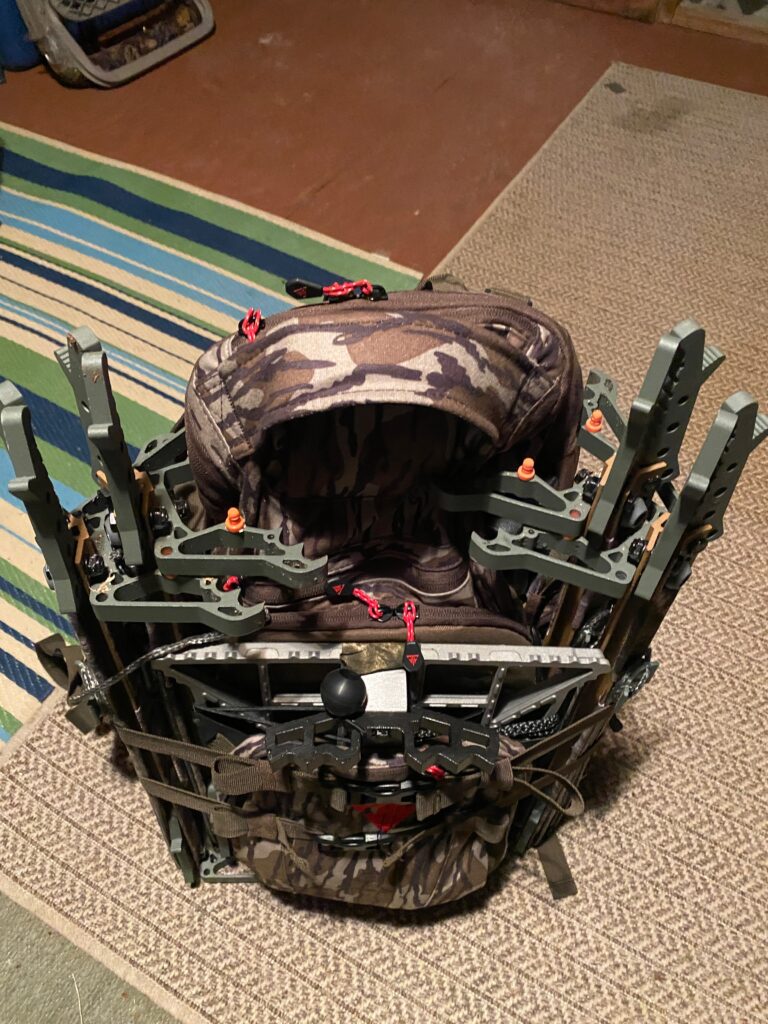
I still have the original StickLoc connectors. I have not broken or replaced one in five years. They take a little practice at first, but once I learned how to line them up, stacking the sticks became quick and easy. The bright orange color also makes them easy to see in the dark.
The Original DynaLite Ropes Have Held Up
My original DynaLite ropes are still in good shape too. They are light, quiet, and much easier to use than a metal buckle. I can pass the rope around the tree, pull it tight, wrap it around the attachment tab, and move on.
The long rope can catch on a branch when I am climbing or packing the sticks. That was my main complaint with the original version, and the newer RCS system is designed to manage that loose rope better.
Even though my ropes still look good, I plan to replace them because they have five seasons of use. Climbing gear is not where I want to push service life. Inspect every rope, step, standoff, and connection before you climb, and replace anything that shows wear or damage.
Weight, Carrying, and Packability
The Skeletors are easy to carry, but I would not call them ultralight. My four original sticks weighed about 8.2 pounds. There are lighter choices, but those choices usually cost more.
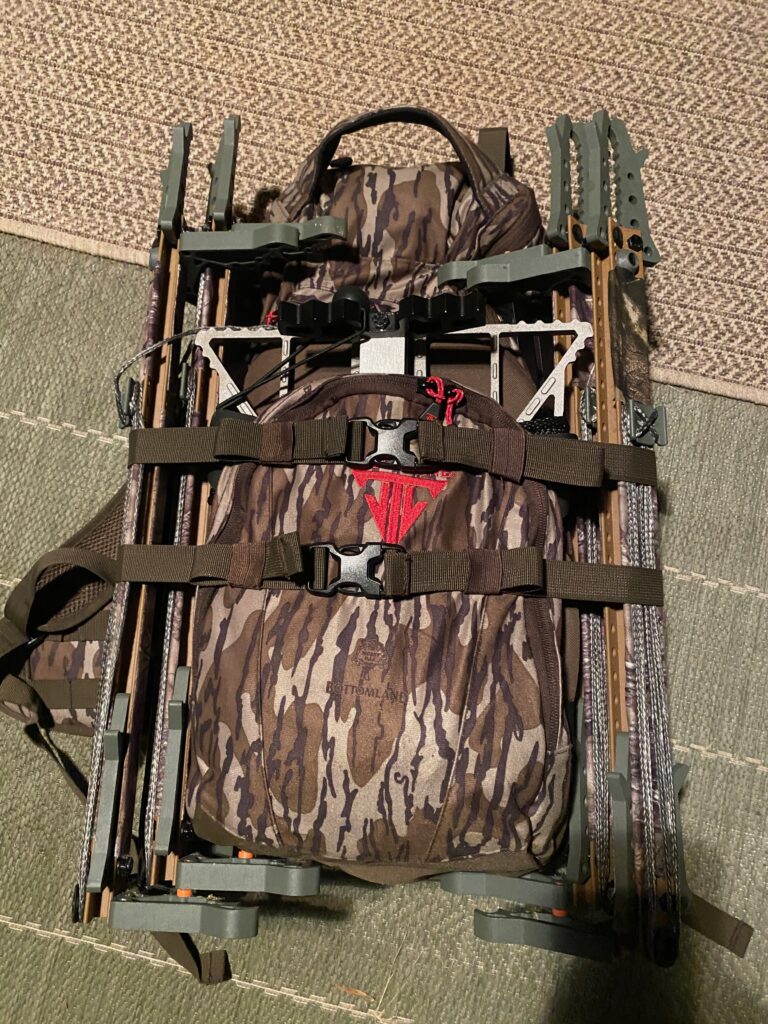
I normally stack the sticks in two sets of two and attach them to my pack. That setup keeps the load balanced and makes it easy to remove the sticks when I reach the tree. The sticks also pack short enough that they do not become a problem in thick cover.
Hanging and Climbing With the Skeletors
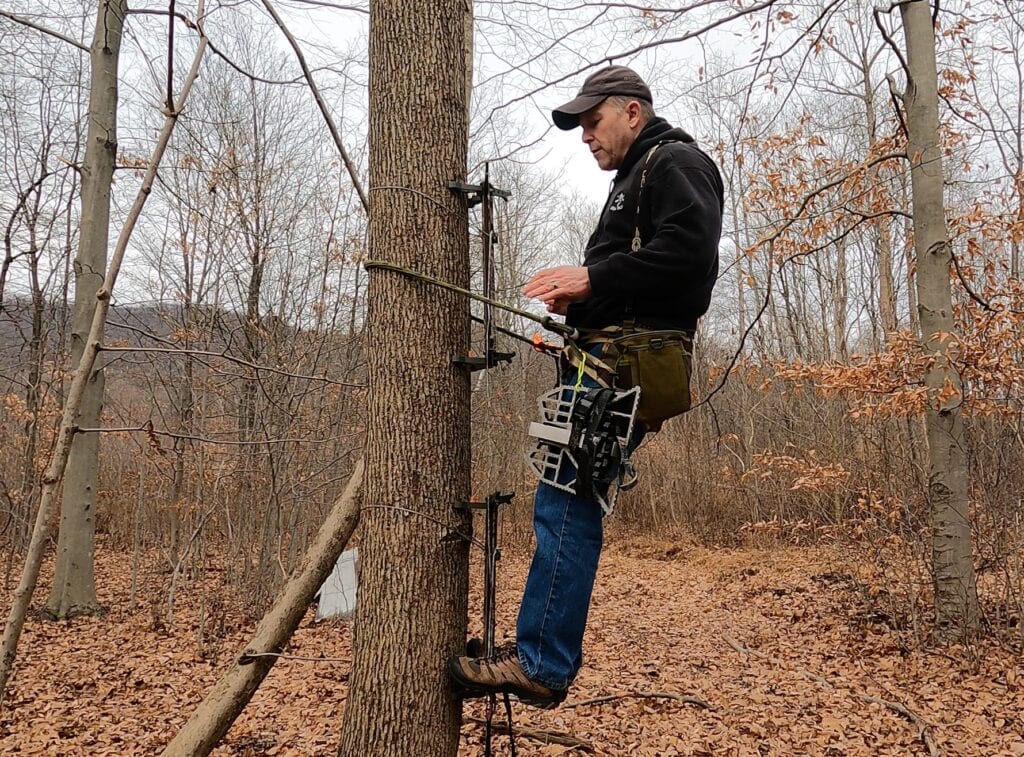
The simple rope attachment is one of the biggest reasons I like these sticks. There is no metal buckle to bang against the stick or tree. The rope is quiet, fast, and flexible enough to work on many tree sizes.
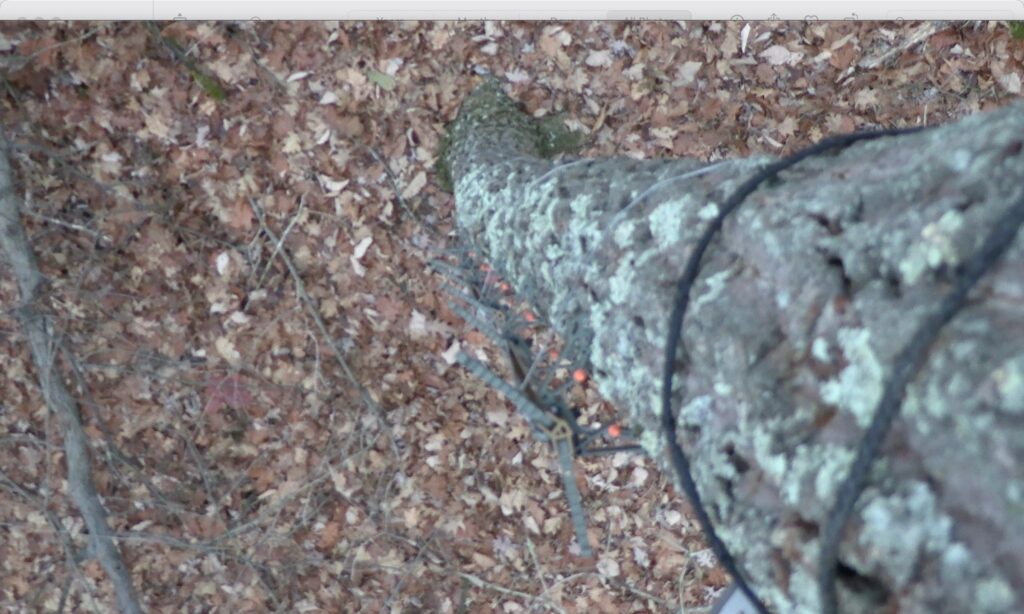
Once I set the stick and pull down on it, the standoffs bite the tree very well. Sometimes the stick stays against the bark even after I loosen the rope. That strong bite helps the stick feel secure when I step onto it.
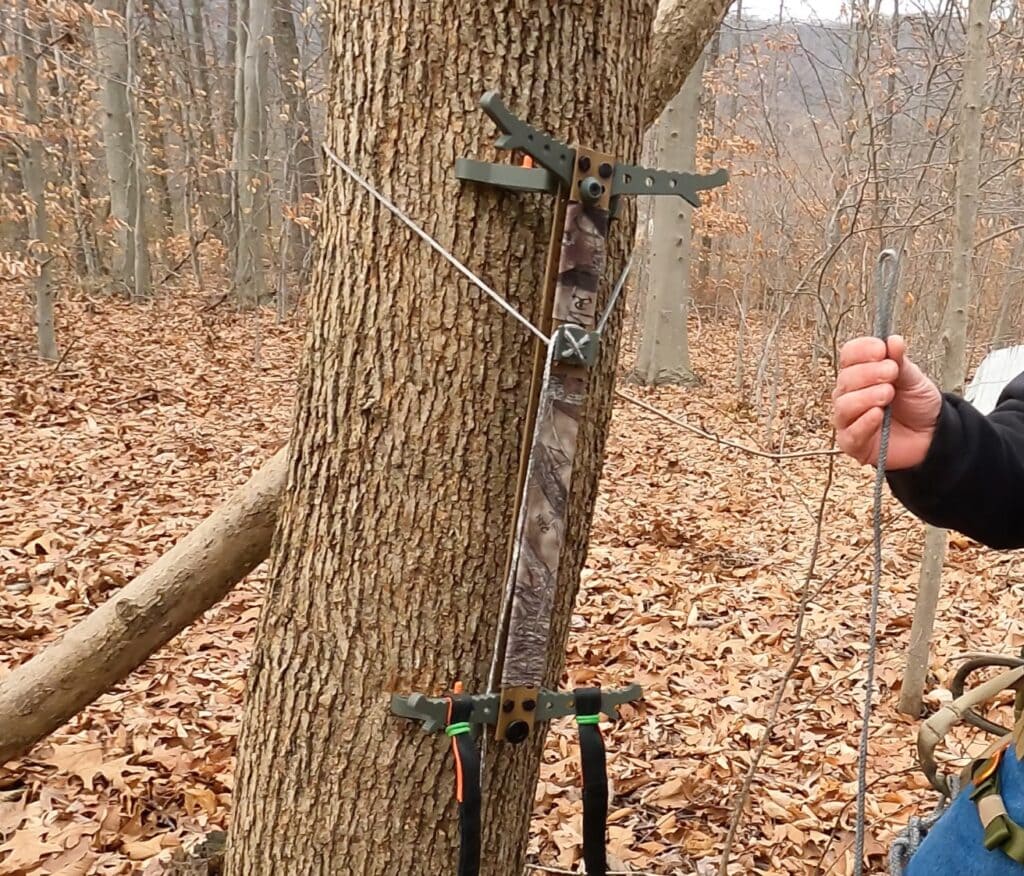
The angled double steps give me good foot room. I can place a boot on either side and work around the tree while hanging my platform. I also use the steps to help brace my legs while I am setting up. That extra room and stability are important when I am working off the side of a tree.
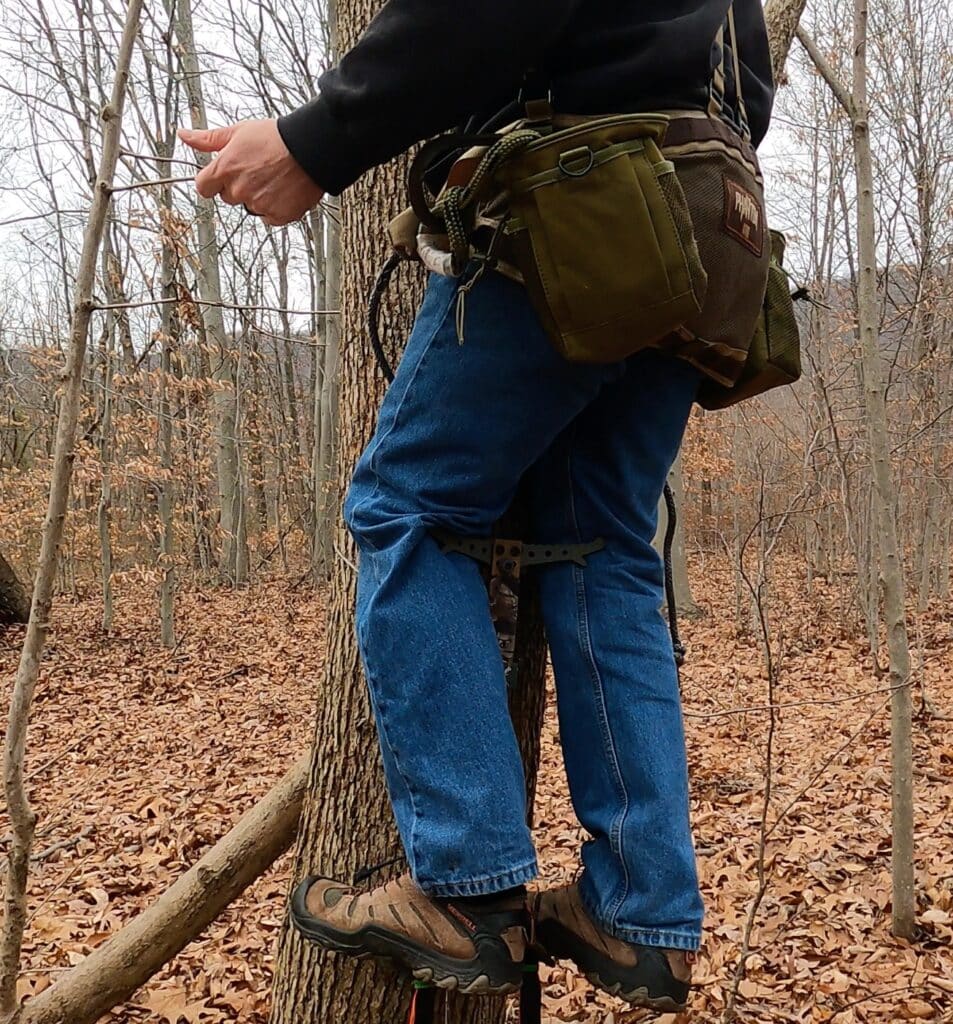
How High Can Four Skeletors Get You?
The Skeletors have 18 inches between the steps and a 20-inch deployed length. That extra length matters. Many newer climbing sticks are only about 17 to 18 inches long because manufacturers are trying to cut weight. A shorter stick may look better on a spec sheet, but every move gains less height.
With four Skeletors and normal spacing, I usually get my platform about 14 to 15 feet high. With some shorter sticks, four sticks may only put a hunter around 12 to 13 feet high. At that point, I am carrying and hanging four sticks without getting enough return for the effort. I want every stick I hang to move me farther up the tree.
I use a two-step aider on the first stick I place on the tree. That gives me the biggest safe height gain at the bottom of the climb. With the aider and four Skeletors, I can normally reach about 17 to 18 feet. That is enough for most of the places I hunt without carrying a fifth stick.
Weight still matters to me, but it is only one part of the system. I would rather carry a few extra ounces and make four useful moves than save weight and finish the climb several feet lower.
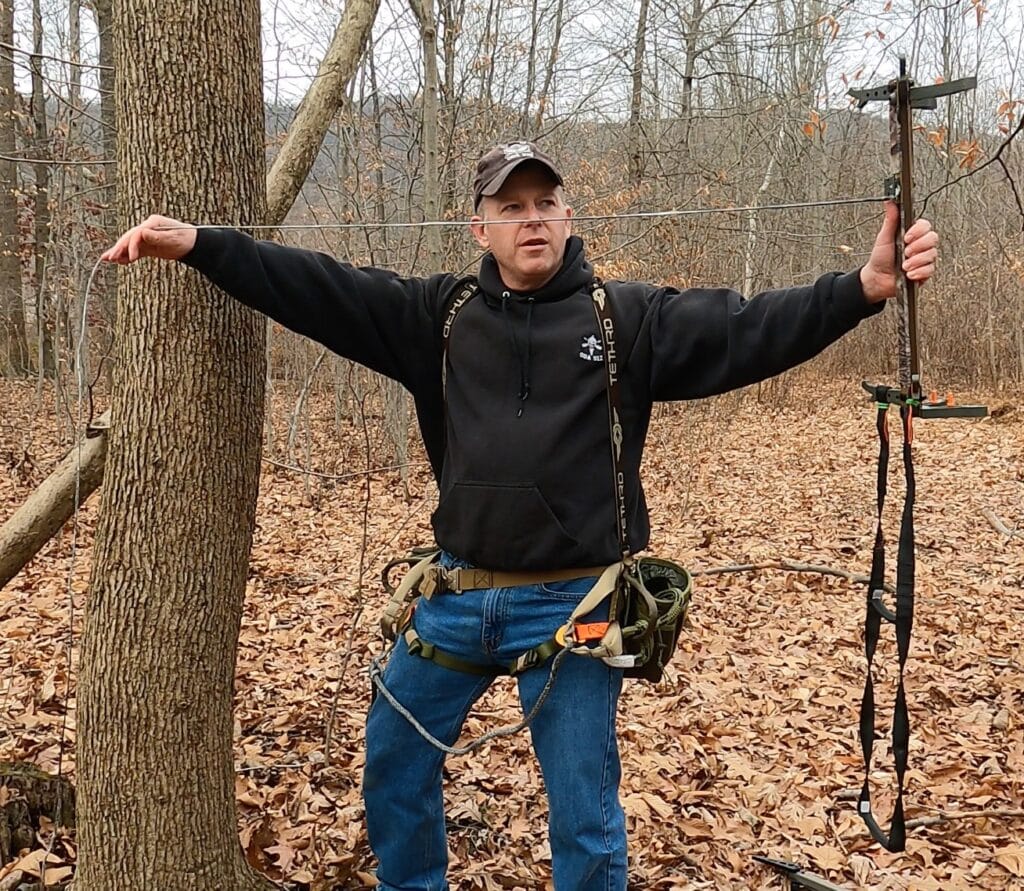
Safety note: Use a lineman’s belt and tether correctly, inspect your complete climbing system, and practice near the ground before hunting with an aider or unfamiliar setup. Do not stretch your stick spacing beyond what you can climb safely and under control.
What I Changed
I did not need to make major changes to the sticks. I added stealth strips in a few places to reduce metal-on-metal noise when the sticks bump together. I also added the two-step aider to my bottom stick.
Everything else is still original. That is one of the best things I can say about a piece of hunting equipment after five years.
Tethrd Skeletors Pros and Cons
What I Like
- Excellent strength and durability after five seasons
- Longer than many newer weight-focused sticks, so four sticks gain more height
- Fast and quiet rope attachment
- Strong bite on many tree sizes and bark types
- Folding double steps provide good foot room
- Easy to carry as two sets of two
- Good balance of price, weight, and quality
- Original StickLoc connectors have not broken
What Could Be Better
- Heavier than premium ultralight sticks
- The long ropes on my original model can catch on branches
- The StickLoc system takes a little practice
- Only sold as a four-pack through the current Tethrd listing
Who Should Buy the Skeletors?
Buy the Skeletors if you want a dependable mid-priced stick for saddle hunting, hang-and-hunt setups, or other mobile hunting systems. They make the most sense for hunters who want more height from each stick and care more about value and simple field use than winning an ultralight weight contest.
Look at another option if every ounce matters and you are willing to pay more for premium ultralight sticks. They may also be more stick than you need if you plan to one-stick climb.
That is the choice I am making on some hunts with the Latitude Carbon SS sticks. The Skeletors are still my value winner, but the Latitude sticks cut weight and work with the rest of my current setup. My Latitude Outdoors saddle hunting system review explains that tradeoff.
Are the Skeletors Worth the Money?
Yes. At the time of this update, the current four-pack is listed at $249.99. That is about $62.50 per stick before any sale or discount. Prices can change, so check the current listing before buying.
That price is not cheap, but it is below many premium ultralight systems. My original set has lasted five seasons without a broken step, connector, or major part. When I divide the price by the years of dependable use, the value becomes clear.
My Final Recommendation
The Tethrd Skeletors are still my favorite climbing sticks. They are not the lightest option, but they give me the strength, packability, easy setup, and foot room I need without moving into the highest price range.
My five-year results come from the original model. The current version keeps the design I trust and adds better rope management. If I were buying a mid-priced four-stick system today, the Skeletors would still be at the top of my list.
CONTINUE YOUR MOBILE HUNTING SYSTEM
Your Next Steps
1. Build Your Mobile Hunting System
See how your climbing method, elevated setup, pack, and other gear work together as one complete system.
2. Review My Complete Saddle Setup
See exactly how the Skeletors fit into the elevated portion of my mobile hunting system.
3. Compare Saddle Hunting Packs
Choose a pack that carries your sticks and platform without fighting the load.
4. Review My Current Gear List
See the equipment I am carrying into the woods this season.
Want to see exactly what I’m carrying this season? Check out my Personal Bowhunting Gear List for 2026