

I liked the original Sitka Stratus because it stopped the wind, stayed quiet after I broke it in, and let me build the rest of my clothing around the hunt. The Stratus 2.0 keeps the part that matters most, but after wearing the jacket and pants through another season, I do not think the two pieces are equally good.
The pants are the standout. They are warm, windproof, quiet, flexible, and some of the best midseason windproof hunting pants I have tested. The jacket blocks wind extremely well, but it is thin, still makes more noise through the arms than I want, and has no pit zips to dump heat during the walk in.
That does not make the jacket bad. It means you need to know what job each piece does before spending this much money. I have now hunted in both generations, washed them, walked them through brush, and used them through changing temperatures. Those hunts made the difference between the jacket and pants pretty clear, including why I would buy the pants first.
Bottom Line on the Sitka Stratus 2.0
Best piece: The Stratus 2.0 Pant. It gives me the wind protection I want, handles brush better than I expected, and moves quietly enough for close-range bow hunting.
Best for: Treestand and saddle hunters who deal with wind in roughly 30- to 50-degree weather and are willing to manage layers during the walk and the sit.
Skip it if: You want one outfit for warm approaches, extreme cold, or the quietest possible jacket at full draw. The jacket needs insulation under it as temperatures fall, and it needs better ventilation.
System role: A wind-blocking outer layer. The pants add more useful warmth than the jacket, but neither piece replaces a complete layering system.
What I Tested
I have used the original Stratus and the Stratus 2.0 over multiple seasons. My testing has included treestand and saddle hunts, one- to two-mile approaches, calm days, hard wind, light rain, and routes through green briars and mountain laurel. I have also kept wearing and washing the 2.0 to see whether the jacket would quiet down the way my original Stratus did.
I am five foot eight, about 190 pounds, with a 34-inch waist. I wear a large jacket and a medium Stratus 2.0 Pant. I first tried the pants in large, but they were too loose and sloppy. The medium gave me the fit and movement I wanted.
This is not a lab-only review. My conclusions come from how the system handled the walk, the sit, the draw, and the brush. Those are the moments when a midseason clothing system either helps the hunt or starts creating problems.
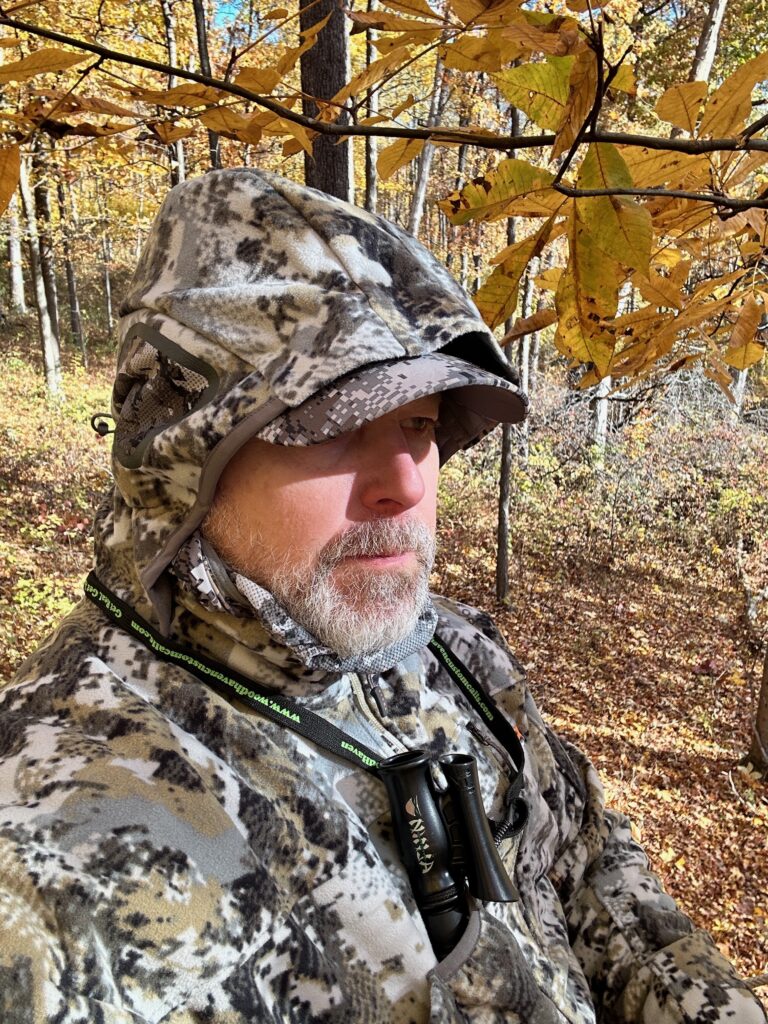
The Useful Temperature Range Is About 30 to 50 Degrees
I would not call this a 40- to 60-degree system. The pants hold too much heat for me to walk comfortably in them around 60 degrees, and the jacket does not have pit zips to help me cool down. My useful range is closer to 30 to 50 degrees, but how I wear it changes across that window.
| Conditions | How I would use the Stratus 2.0 | Main concern |
|---|---|---|
| Near 50°F | Good once I am settled, especially in wind. I would vent the pants during the approach and keep the jacket off when possible. | The walk can get hot. The jacket has no pit zips. |
| 40–50°F | A natural range for the system with a light base or midlayer chosen for activity and wind. | Do not overdress for the walk. |
| 30–40°F | The pants need less help, but I add meaningful insulation under the thin jacket before a long sit. | The jacket blocks wind but does not create enough warmth by itself. |
| Below 30°F | Possible with substantial layering, but this is no longer the system’s easiest or most efficient job. | For stationary cold, I would rather start with a warmer outer system. |
Your range may move based on wind, pace, base layers, and how easily you get cold. The main point is that windproof does not mean heavily insulated. If you expect the jacket to be a heater, you will probably be disappointed. If you use it to hold back wind while the layers under it manage warmth, it makes much more sense.
Why the Stratus 2.0 Pant Is the Best Part of the System
The pants surprised me because they do almost everything I want from a midseason outer layer. They stop the wind, add useful warmth, flex well when I climb, and stay quiet enough when I move in the tree. The pocket layout also makes sense in the field.
Wind Protection and Warmth
The Windstopper construction is the main reason to own them. Once I settle into a stand, cold wind does not cut through my legs the way it can with a lighter softshell pant. That same protection traps heat during the walk, which is why I treat venting as part of the system instead of waiting until I am already sweating.
The 7/8-Length Zippers Work, but There Is No Mesh
The long side zippers are one of the best features. I can open them to dump heat, and they make it easier to add or change a base layer at the stand. There is no mesh behind the opening, though. Open them far enough and your bare leg or base layer is exposed. Mesh would control the opening better while still letting heat escape.
Quiet Movement, Stretch, and Brush Durability
The softshell face is quiet, and the four-way stretch lets the pants move instead of binding when I step over deadfall, climb, or settle into a saddle. They also held up extremely well through moderate to thick brush. I expected a quiet softshell pant to show more damage, but the construction and lower-leg protection handled my routes better than expected.
If I were buying only one Stratus 2.0 piece, this is the one I would choose. It has a clear job, solves a real midseason problem, and has fewer compromises than the jacket.
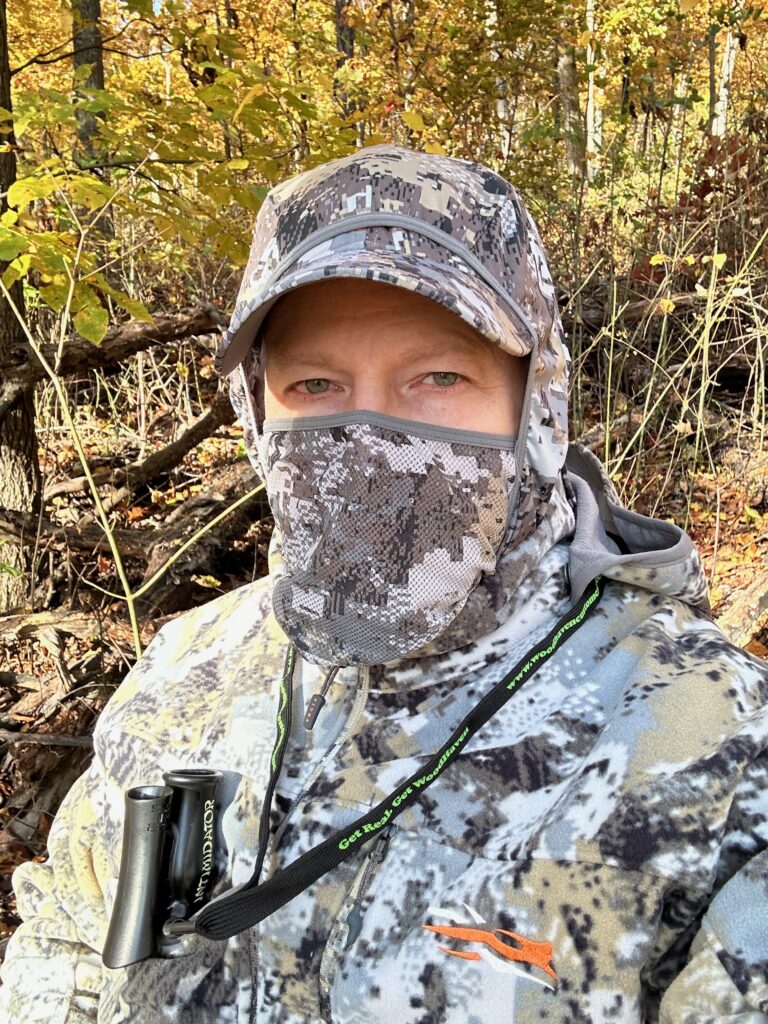
The Stratus 2.0 Jacket Stops Wind but Still Has Tradeoffs
The jacket does its main job well. It is exceptionally thin for the amount of wind protection it provides. On exposed ridges and in a tree where steady wind can drain heat, that shell makes a real difference. It also gives me a removable hood, a safety-harness pass-through, and useful storage without the bulk of a late-season jacket.
The problem is that a thin wind shell at this price still has to be quiet and easy to regulate. That is where I have more reservations.
The Arms Are Still Noisier Than I Want
After a year of use and multiple washes, the 2.0 jacket has not quieted down as much as I hoped. I can make a controlled bow draw without turning it into a major problem, but I still hear the fabric through the arms. Other windproof midseason jackets I have used are quieter.
My original Stratus improved much more after a season of wear and washing. It became a very quiet jacket. The 2.0 has softened some, but its Windstopper-backed fabric has not reached the same point. For close-range bow hunting, that difference matters.
No Pit Zips Limit the Jacket
The missing pit zips are the jacket’s biggest design failure for me. Windproof material holds heat and moisture during the approach. The pants give me long side zippers to manage that heat, but the jacket does not give me the same control. I either carry it in, open the front zipper, or accept that I may sweat more than I want.
Pit zips would make the jacket easier to use near the warm end of its range and help protect the dry layers I want for the sit. Without them, I plan the approach around the jacket instead of letting the jacket adapt to the approach.
Fit and Bow-Drawing Movement
My large fits correctly through the body and lets me draw and climb without pulling the sleeves back. The cut is shorter than some hunting jackets, so taller hunters or anyone who wants more coverage over layers should study the size chart and torso length before ordering.
What Changed from the Original Stratus?
The original system is useful evidence because I hunted in it long enough to see how it aged. Its jacket became much quieter after use and washing. The original pants were warm, flexible, and durable, but they did not give me the long side ventilation that makes the 2.0 Pant easier to manage.
| Area | Original Stratus | Stratus 2.0 |
|---|---|---|
| Jacket noise after break-in | Mine became very quiet after a season and repeated washing. | Still noisier through the arms than I want after a year and multiple washes. |
| Pant ventilation | No comparable long side vent. | 7/8-length zippers make heat and layer changes easier to manage. |
| Wind protection | Excellent and central to the system. | Still the main reason to own it. |
| Best reason to upgrade | Keep wearing it if it still fits your hunt. | The current pant is the clearest improvement and strongest piece. |
I would not replace a working original jacket just to get a newer label. I would consider the current pants for their venting, fit, and field performance. That is the practical difference between the two generations.
How I Build the Layers Under It
In my bow hunting clothing system, the Stratus 2.0 fills the LOCK role. Its job is to block wind and protect the layers that manage moisture and warmth. It is not supposed to do every job by itself.
- MOVE: Start with a base layer that handles sweat during the approach.
- BUILD: Add the amount of insulation the temperature and length of the sit require.
- LOCK: Use the Stratus to stop wind from stripping away the warmth you built underneath it.
The jacket needs more help than the pants as the temperature falls. Around 30 to 40 degrees, I care more about the insulation under the jacket than I do under the pants. The pants already hold a noticeable amount of leg heat, especially after a walk.
That is where the Ambient 200 active-insulation layer fits for me. I can walk in wearing lighter clothing, add the Ambient 200 after I settle down, and let the Stratus handle the wind and outer-layer job.
If you need help building those layers, start with my cold-weather bow hunting layering guide. For colder stationary hunts, compare the Stratus with the warmer systems in my tested cold-weather jacket study.
Stratus Pant or Bib?
I tested the Stratus 2.0 Pant, not the current bib, so my strongest recommendation stays with the piece I actually used. The pant is easier for me to vent and works well when I want to control upper- and lower-body layers separately.
The bib may make more sense if you want extra torso coverage and fewer gaps around the waist during long, cold sits. It costs more and adds coverage that can also hold more heat on the walk. Compare the features and choose based on the job, but do not treat my pant testing as a field test of the bib.
Is the Sitka Stratus 2.0 Worth the Price?
At current regular pricing, the jacket is $400 and the pants are $350. That is a serious investment, so “it blocks wind” is not enough by itself.
The pants come closer to earning their price. I get wind protection, warmth, useful venting, quiet movement, good pockets, and better-than-expected brush durability in one piece. I can explain exactly where they fit in my season.
The jacket is harder to justify at full price. Its wind protection is excellent, but the arm noise and missing pit zips are meaningful compromises. A sale makes it easier to recommend, especially for a hunter who regularly sits in strong wind and already owns the layers needed underneath it.
My Final Verdict
The Sitka Stratus 2.0 is a good windproof bow hunting system with one great piece and one more limited piece.
The pant is the winner. It is one of the best insulated windproof midseason pants I have tested. It handles wind, brush, climbing, and close-range movement while giving me a real way to vent during the approach.
The jacket works, but I would be more selective. It blocks wind better than its thin build suggests, yet it needs layers, lacks pit zips, and still makes more arm noise than I want. Buy it for wind protection, not because you expect a quiet standalone cold-weather jacket.
Where to Go Next
- See where the Stratus fits in the complete Clothing System
- Build the layers that go under a windproof shell
- Compare it with the warmer Sitka Fanatic
- See how the tested cold-weather jackets compare
Want to see exactly what I’m carrying this season? Check out my Personal Bowhunting Gear List for 2026