

If you’re just getting started with bowhunting or learning how to scout, here’s the truth:
You can’t hunt deer if you don’t know where they are.
And the way you find them? You read the clues they leave behind: what hunters call “deer sign.”
This post is your beginner’s guide to understanding what deer sign actually is, how to spot it, when to expect it, and what it tells you about deer movement, behavior, and opportunity. If you want to scout smarter, not harder, it starts with learning how to read the woods like a hunter, not a hiker.
Need to Start at the beginning? Learn How a Buck Lives and why developing a pattern of life on the bucks in your area will make you more successful.

What Is Deer Sign?
Deer sign is any kind of physical evidence that a deer has recently been in the area. It’s the language deer leave behind, subtle or obvious, written across the ground, trees, trails, and brush. Sign tells you not only that a deer was present, but also gives you clues about what it was doing, how long ago it passed through, and what kind of terrain or food it’s using.
Some sign is obvious: a fresh track in mud, or a tree rubbed bare. Others are subtle, like a faint trail pressed through tall grass, or the cleanly nipped ends of a sapling showing fresh browse. The goal isn’t just to identify these signs, but to understand them in context, so you can predict deer movement and place yourself in the right spot at the right time.
Most beginners walk into the woods, pick a tree that “feels right,” and hope for the best. But if you don’t know how to spot deer sign. or worse, you misread cold sign as fresh, you’ll end up hunting where deer used to be, not where they are now.
Learning to read sign is the first real skill of a strategic bowhunter. And the more time you spend in the woods, the better you’ll get at reading what the deer are telling you.
Let’s break it down.

Tracks: Footprints That Tell a Story
What They Are:
Tracks are the heart-shaped impressions left behind by a deer’s hooves as it walks. They may look like textbook prints in soft mud, or barely-there disturbances in leaf litter, grass, or snow. The shape, size, depth, and spacing of tracks can tell you a surprising amount about the animal that left them.
What to Look For:
- Heart-shaped hoof prints that range from 1.5 to 3.5 inches long.
- Toe spread or splay that can signal a heavier deer (often a buck).
- Depth of the print — deeper impressions in hard soil might mean a heavy-bodied deer.
- Stride and track width — wider stance and longer stride can suggest a mature buck.
- Track layering — multiple sets or overlapping tracks can indicate consistent traffic.
📍 Why Deer Leave Tracks:
This sounds obvious, but the way tracks appear reveals behavior. A slow, meandering trail may indicate feeding or relaxed travel. A tight, straight line with wide stride and deep prints could mean a buck moving with purpose — possibly heading toward bedding or chasing a doe.
🕒 When You’ll See Tracks:
Tracks are visible year-round but easiest to read after rain, snow, or frost when the ground is soft. After a snowfall, fresh tracks can tell you exactly what direction a deer was headed and how recently it passed. In dry conditions, you may only notice disturbed leaves or barely visible toe marks.
How to Use Them:
Following a fresh track line can lead you to bedding, food, or other high-traffic zones. In the snow, tracks can reveal patterns that tell you how deer are using terrain — even across private lines or pressured corridors.
Beginner Tip: Don’t just find a track and take a picture. Follow it. See where it goes. Look for where it intersects with trails, rubs, scrapes, or food. Learning to track takes time, but it’s one of the most powerful skills you can develop.

Scat: Clues in Droppings
What It Is:
Scat — deer poop — may not be exciting, but it’s one of the most immediate signs of recent activity. It usually appears as small, pellet-shaped droppings, but can sometimes be clumped or loose depending on diet and season. The freshness and location of scat can confirm how recently a deer was in the area.
What to Look For:
- Pellet-shaped droppings about the size of jellybeans.
- Clumped or loose piles usually mean recent feeding on soft greens or fruit.
- Moisture and shine — shiny, wet scat is fresh; dry, gray, and cracked is old.
- Quantity — large piles may indicate feeding or bedding areas.
📍 Why Deer Leave Scat:
Deer defecate frequently, sometimes every few hundred yards. If you find multiple piles in the same area, it often means they paused to feed or bed. Scat paired with fresh browse or tracks is a strong sign the deer is still using the spot.
🕒 When You’ll See Scat:
Scat is present year-round. Fresh piles are most useful during the season, especially if they appear suddenly in an area that was previously cold. After a frost or snow melt, scat may appear quickly in new food zones.
How to Use It:
Use scat as confirmation, never alone. If you find it with tracks, fresh rubs, or feeding sign, you’re likely in a zone worth hunting. If it’s all dry, cracked, and leaf-covered, move on.
Beginner Tip: Step back from the pile and take in the area. Are you near browse, trails, or a thermal bedding area? Clusters of fresh scat almost always mean consistent deer presence.
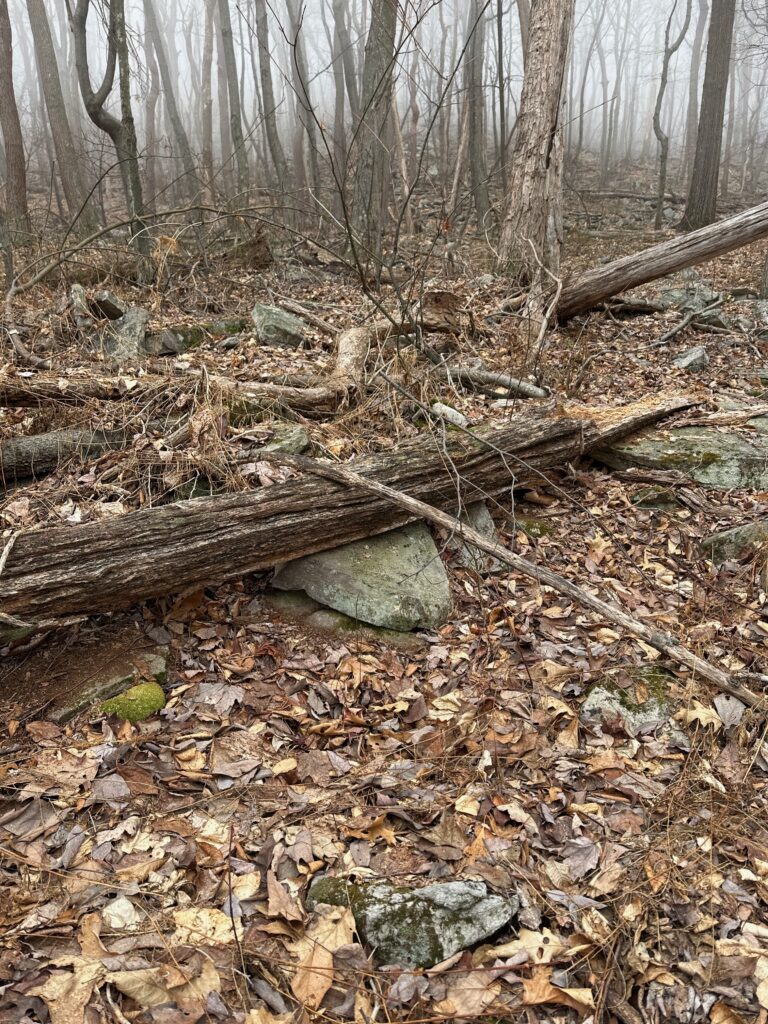
Beds: Where Deer Sleep, Rest, and Watch
What They Are:
Beds are oval depressions in the ground where deer lay down. They’re typically 2.5–3 feet long and can show matted grass, flattened leaves, bare dirt, or even hair. Finding beds helps you locate core areas where deer feel safe.
What to Look For:
- Oval depressions in grass, leaves, or snow.
- Hair left behind — short, hollow, gray or tan.
- Multiple beds in a group = doe bedding area.
- Single isolated bed on a ridge, point, or with a wind advantage = likely a buck.
- Fresh vs. old — warm dirt in snow, or melted snow in the bed, signals recent use.
📍 Why Deer Leave Beds:
Deer need to rest safely. They bed based on wind direction, visibility, escape routes, and proximity to food. Bucks tend to bed alone with multiple escape paths, while does bed in family groups with a central “watcher.”
🕒 When You’ll See Beds:
You can find beds any time of year. In snow, beds are easier to find and analyze. In early season, they’re often closer to food. During hunting season, expect bedding to shift deeper into cover or onto terrain features that give deer wind and thermal advantages.
How to Use Them:
Once you find bedding, backtrack to see how the deer enter and exit. Knowing how a deer beds based on wind or terrain will help you predict where they’ll go next — and how to approach without blowing them out.
Beginner Tip: Don’t just walk into beds during season unless you’re confirming. Mark them on your app and return post-season or during rain to do deeper scouting. Pressuring bedding without a plan is how you teach bucks to become nocturnal.
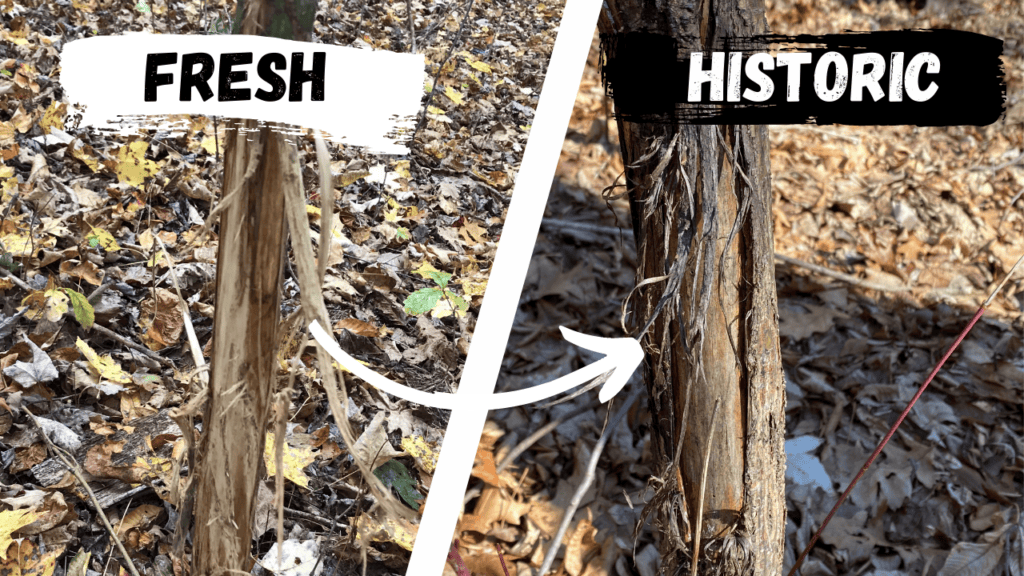
Rubs: Visual Territory Markers
What They Are:
Rubs are places where bucks strip bark from small trees or saplings using their antlers. These marks leave behind shredded bark, exposed wood, and sometimes bits of hair or scent. They can be as subtle as a small scar on a sapling, or as obvious as a tree shredded nearly in half. The location, freshness, and frequency of rubs all tell you something about buck behavior.
What to Look For:
- Stripped bark on trees 1–4 inches in diameter.
- Fresh rubs show light-colored wood and sometimes sap or bark shavings at the base.
- Older rubs appear gray, weathered, and sometimes healed.
- Rub lines — multiple rubs in a row, indicate a repeat travel route.
- Signpost rubs — large trees rubbed year after year, can signal territorial boundaries or core areas.
📍 Why Deer Leave Rubs:
Rubs serve multiple purposes. In early season, bucks rub to shed velvet. Later in fall, they rub to deposit scent, mark territory, and display dominance. They can also be used to release frustration during the rut.
🕒 When You’ll See Rubs:
Expect velvet rubs in early September. Rub lines and aggressive rubbing begin mid-September and peak during October’s pre-rut. You may still see rubs into November, but the majority are made before peak breeding.
How to Use Them:
A single rub isn’t enough to act on. But a rub line leading from bedding to feeding or running parallel to a ridge is gold. Rubs near doe bedding areas or secluded funnels are especially valuable. Use rub direction (which side of the tree is damaged) to interpret buck travel.
Beginner Tip: If you find a cluster of rubs near a ridge point or military crest, you might be looking at a buck staging area. Hang back and observe before moving in to hunt it.
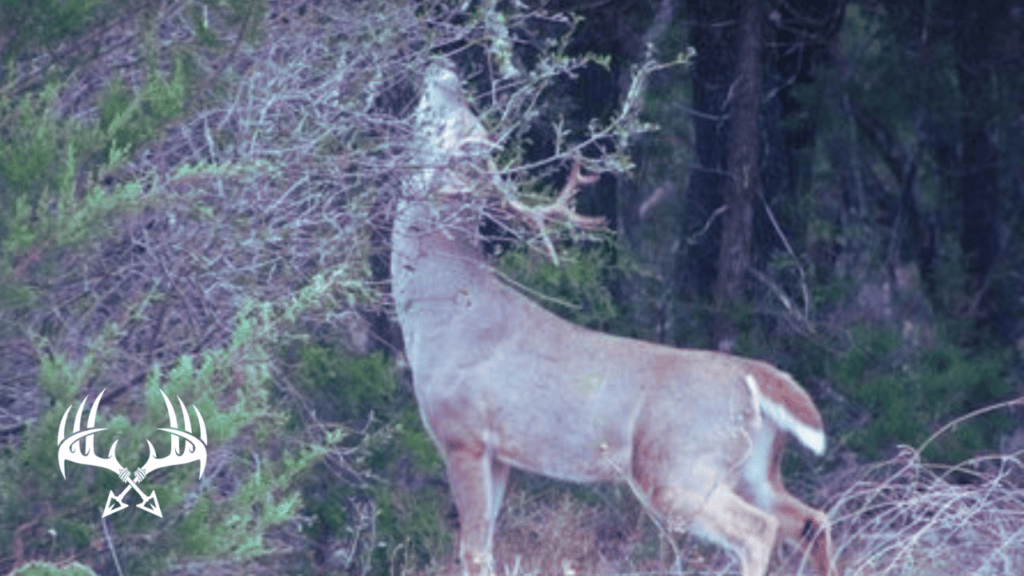
Scrapes: The Communication Hubs
What They Are:
Scrapes are bare patches of earth, often 1–3 feet wide, created when bucks paw at the ground and urinate over their tarsal glands. Above almost every active scrape is a licking branch, which bucks and does use to leave scent from forehead and nasal glands. Scrapes are like bulletin boards for the local herd.
What to Look For:
- Cleared patches of dirt, often oval-shaped.
- Hoof marks, disturbed leaves, and damp soil.
- Overhead licking branch — snapped, twisted, or slicked.
- Fresh scrapes may contain urine scent, wet dirt, or droppings.
- Community scrapes get used by multiple deer and re-opened every year.
📍 Why Deer Leave Scrapes:
Bucks use scrapes to signal their presence, monitor doe activity, and assert dominance. Does will also check scrapes, especially during the rut. It’s a communication tool more than a territory claim.
🕒 When You’ll See Scrapes:
Scrape season starts in October and peaks just before and during the rut. Most scraping occurs at night, but daylight scraping near bedding areas or staging zones can tip you off to a kill opportunity.
How to Use Them:
Active scrapes are great trail camera spots. Monitor the licking branch — if it’s slick and the dirt is fresh, bucks are still visiting. Hang a stand nearby only if the scrape is tight to cover or close to daylight movement corridors.
Beginner Tip: Don’t hunt open field scrapes unless you’ve confirmed daylight activity. Focus instead on interior scrapes on the downwind side of doe bedding areas.

Trails: Highways in the Woods
Trails are another important form of deer sign, but they’re also one of the most misunderstood. Just because a trail exists doesn’t mean it’s a hot one, or that it’s even used during daylight. Some trails are part of a buck’s regular travel route. Others are made by does or even nighttime wanderings. Your job is to figure out when, how often, and why they’re being used.
What They Are:
Deer trails are worn paths through leaves, grass, snow, or dirt. Over time, consistent travel creates a visible line or depression on the ground. In areas with leaf litter, the trail will often look like a clean line of turned-up earth. In snow, it becomes obvious. But not all trails are the same.
What to Look For:
- Width and depth: A wide, deep trail usually means more consistent traffic, often by groups of does. A narrower, lighter trail may be a buck slipping through thick cover on the edge.
- Trail intersections: Where trails converge, especially near bedding or feeding, can be hotspots.
- Tracks and droppings: These confirm freshness and can help you figure out what kind of deer is using the trail. Big tracks (4”+) often point to a buck.
When and Why They Appear:
- In the early season, trails are often short distances between beds and food.
- During the rut, new trails appear overnight as bucks roam and chase.
- In winter, heavy snow funnels deer into terrain-based trails.
Don’t just see a trail, ask: where is it coming from and where is it going? That answer tells you if it’s worth hunting.
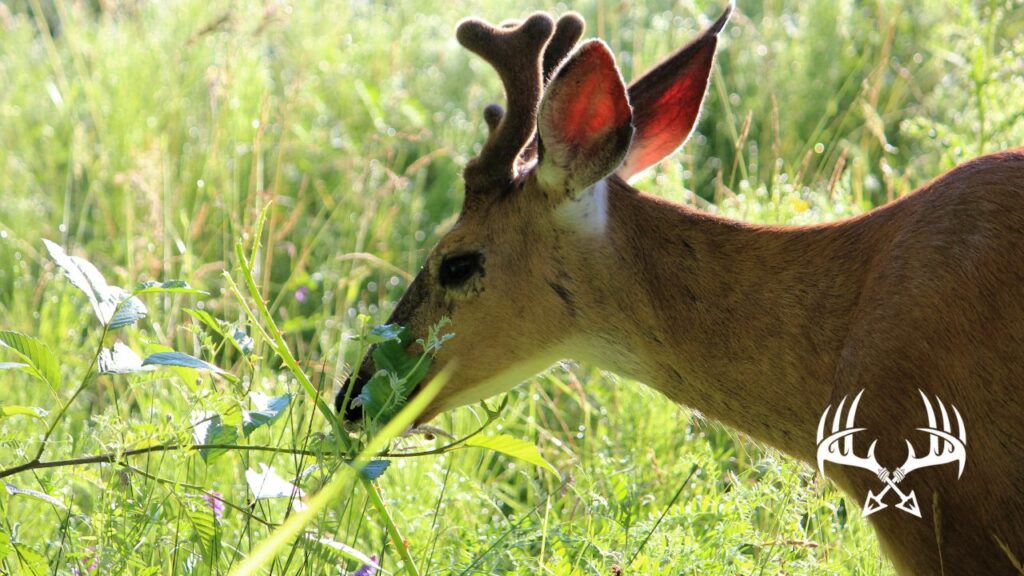
Browse Sign
Browse is where deer have been feeding on natural vegetation—leaves, twigs, buds, or soft bark. It’s one of the best signs to find during winter or early season.
- Deer leave a clean 45-degree bite on twigs. Rodents and rabbits gnaw or chew with flat edges.
- Greenbrier, saplings, and honeysuckle often show signs of heavy browse.
- Fresh browse is lighter in color at the break and may have moisture at the bite.
Look for browse near bedding areas, on the edges of food plots, or in thick cover where deer feel safe to feed during daylight.
Hot or Cold Sign? How to Tell If It’s Worth Hunting
The biggest mistake new hunters make is hunting old sign. You find a rub, a scrape, or a trail and set up, only to realize it hasn’t been used in weeks.
Here’s how to tell hot sign from cold sign:
Hot Sign:
- Crisp tracks with sharp edges, especially in mud or snow
- Wet, shiny scat
- Fresh dirt kicked up in scrapes
- Licking branches broken or wet
- Wood shavings at the base of rubs
- Freshly bitten browse with green or white edges
- Multiple types of sign clustered together (tracks + scat + fresh rubs)
Cold Sign:
- Rubs with gray, weathered wood and no fresh shavings
- Trails with no fresh tracks or droppings
- Scrapes covered in leaves
- Scat that’s dry and cracked
If it looks old, it probably is. Always ask yourself: When was this made, and is it still being used?
If you’re not sure, keep walking until you find something better. Learn how to hunt hot sign here.
Putting It All Together
Reading deer sign is part art and part science. One track might not tell you much. But a cluster of fresh sign—tracks, droppings, rubs, and browse. all in one area? That’s a huntable spot.
Start asking yourself:
- What direction are the tracks heading?
- Is the sign fresh or stale?
- Is it near bedding or food?
- What time of day does this trail make sense to hunt?
The more time you spend in the woods, the faster you’ll recognize real patterns. And once you can read the woods like a map, you’ll stop guessing—and start killing.
What’s Next?
In the next part of this series, I’ll break down how to actually scout a new piece of land, what to look for on your first walk-in, and how to avoid rookie mistakes.
That post is called Your First Walk-In: What to Look For and What to Ignore, and it’s coming soon.
If you’re just getting started, go read: How a Buck Lives — The Foundation of Deer Scouting (Coming Soon)
And if you want more detailed strategy, gear breakdowns, and tutorials, consider joining my Everyday Bow Hunter Roadmap. That’s where the real hunt plans live.
Related Bowhunting FAQs
What is the Best Time to Scout for Deer?
The best time to scout for deer depends on what you are trying to learn. Post-season scouting is great for reading terrain, bedding, and old sign without risking a current hunt. Summer scouting can help with inventory and food patterns. In-season scouting should be more careful and low-impact because pressure can change deer behavior fast.
CONTINUE THE DEER INTELLIGENCE SYSTEM
Your Next Steps
Individual clues matter most when they agree with terrain, timing, wind, pressure, and bedding.
1. Build Deer Intelligence
Put tracks, trails, rubs, and scrapes into the full system.
2. You Found Hot Sign—Now What?
Decide whether the sign is current and huntable.
3. Map the Kill Zone
Connect sign to terrain, access, wind, and timing.
Part of the Everyday Bow Hunter System
Turn Sign Into a Mapped Hunt
Once you can identify the sign, the next step is to connect it to terrain, access, direction, and timing. Continue to Kill Zone Mapping Part 2.
Want to see exactly what I’m carrying this season? Check out my Personal Bowhunting Gear List for 2026