
I have tested enough bow hunting gear over the last few years to fill several packs. That does not mean all of it goes into the woods with me. Every item adds weight, takes up space, and gives me one more thing to organize in the dark.
My 2026 bow hunting gear list is the equipment that has earned a place in my system, along with a few products I carry only when the hunt calls for them. Some are major pieces such as my bow, saddle, platform, and pack. Others are small things that are easy to overlook until you actually need them.
This is not a universal shopping list. It is what I am carrying, where I keep it, and why it earns space. That is the best way I know to help you decide what belongs in your own setup, so I am starting with the bottom line and then showing how the pieces work together.
My 2026 Bow Hunting Gear List at a Glance
| System | What I am using | Role |
|---|---|---|
| Compound bow | PSE Decree | Current hunting bow |
| Release | Tru-Fire Edge 4-Finger | Current hunting release |
| Arrow | Easton 4mm FMJ build | Current working build |
| Saddle | Latitude Maverick | Worn into the stand |
| Platform | Latitude Profile | Proven primary platform |
| Climbing sticks | Latitude Carbon SS | Lightweight 2026 setup |
| Favorite sticks | Tethrd Skeletors | Long-term favorite |
| Primary pack | Latitude Ranger 22 | Complete saddle loadout |
| Minimal carry | Profile Platform Pocket | Short hunts near the truck |
| Primary optic | Vortex Vanquish 10×26 | Compact hardwood binocular |
| Rangefinder | Ravin 1200 | Primary rangefinder |
| Primary headlamp | PEAX Backcountry Duo | Rechargeable primary |
| Medical kit | MyMedic Sidekick | Remote-hunt preparedness |
| Water purifier | GRAYL UltraPress | Remote water sources |
Which Version of This Loadout Fits Your Hunt?
- Best for most of my saddle hunts: Ranger 22 with the complete Latitude system, medical gear, water, recovery equipment, and the layers the weather requires.
- Best for a short hunt close to the truck: Profile Platform Pocket with the saddle pouches already loaded. This cuts weight without pretending I can leave the safety and shot-critical gear behind.
- Skip the minimal setup when: The walk is long, the weather is unstable, the water supply is uncertain, or the recovery plan may require more equipment.
This is a current carry list, not a full MSRP comparison. Prices and availability change, so the product links are there when you want to check the current price or exact model.
If you came here for broader category winners, use my best bow hunting gear guide. This page has a different job. It shows the equipment that is actually in my 2026 system.
The Small Gear That Earns Space
The expensive equipment gets most of the attention, but some of the most useful things I carry are small. These are the items that solve a real problem without taking over the pack.
- Havalon Piranta Edge: An unbelievably sharp field-processing knife with replaceable 60A blades and a blade-replacement tool.
- Doyle’s Deer Gear Huntin Hoist: A retractable heavy-duty hoist that clips to my belt or pack and lets me pull my bow up after I am set in the tree.
- Chest-harness deer drag: A cheap, light deer drag that rolls up small and stays at the bottom of my pack until I need it.
- 4Monster towel: A quick-dry towel for sweat, wet gear, and cleaning lenses.
- Rick Young Outdoors Basic Ultra-light Bino Harness: Fast binocular access without a large pouch on my chest.
- Latitude Bite Bow Hanger: A solid way to secure my bow to the Latitude Gear Strap in the tree.
- GearLight flashlight: A high-output handheld light with an adjustable spot-to-flood beam.
- NEBO IllumaTrace: A supplemental blood-trailing light that can help under the right recovery conditions.
- Ropeman 4: What I use with my newer 8mm ropes.
My Compound Bow, Release, and Arrow Setup
The PSE Decree is still my current hunting bow. It fits me, I understand how it shoots, and I have tuned the bow around the arrows I am using. I will change it when another bow legitimately improves the system, not because a new model showed up.
- PSE Decree
- Axcel Landslyde sight
- Hamskea arrow rest
- Trophy Ridge Hitman 8-inch stabilizer
- Conquest Talon quiver
- Tru-Fire Edge 4-Finger Release
The Tru-Fire release rides in one of the pouches on the saddle I wear into the woods. It stays accessible without being loose in my main pack. A release is too important to bury because without it, the rest of the shot system does not matter.
My current working arrow uses an Easton 4mm FMJ shaft with a fixed-blade broadhead. The shaft, insert system, broadhead weight, dynamic spine, speed, and finished weight all have to work together. That is why I use the Everyday Bow Hunter Arrow Planner instead of copying another hunter’s finished number.
The Saddle System I Wear Into the Woods

I wear my Latitude Maverick saddle into the stand instead of carrying it inside my pack. The Operator Saddle Pouch stays on the left side, and the Tactical Dump Pouch stays on the right.
Between those two pouches, I carry my Gear Strap, Bite Bow Hanger, release, 8mm tether and lineman rope, Ropeman 4 devices, PEAX headlamp, and handheld flashlight. Depending on the hunt, I may also carry the Maven M.1 Monocular in a pouch. This keeps the climbing gear and immediate-access equipment attached to the saddle I am already wearing.
Once I am in the tree, I use the Latitude Gear Strap to organize the equipment I want within reach. The Bite Bow Hanger attaches to it and has been extremely solid. My bow feels secure beside me, but I can still get to it quickly.
I explain why these pieces work for me, their limitations, and what I would buy again in my full Latitude Outdoors saddle hunting system review.
My 8mm Ropes and Ropeman 4
I now use the Tethrd 8mm Tree Tether and Lineman Rope with the Ropeman 4. I still have my older 11mm ropes and use the Ropeman 1 with those. I keep the rope and device matched to the setup instead of treating every rope grab as interchangeable.
Any climbing system has to be used according to its instructions and inspected before the hunt. A lighter setup is only useful if the complete system is still safe and organized.
Latitude Carbon SS Versus My Tethrd Skeletors
The Tethrd Skeletors are still my favorite climbing sticks. I have used them long enough to know what I am getting, and they remain the standard I compare other mobile sticks against.
I also used the Latitude Carbon SS sticks here last season. I like how light they are, and they fit naturally with the rest of my Latitude setup. I am going to use them again this season with the Maverick, Profile Platform, Ranger 22, and Profile Platform Pocket.
I am not calling the Carbon SS my new favorite yet. Their low weight and system integration give me a good reason to keep using them, but the Skeletors still hold that position until the Carbon SS sticks earn it through more time in the woods.
Ranger 22 or Profile Platform Pocket?
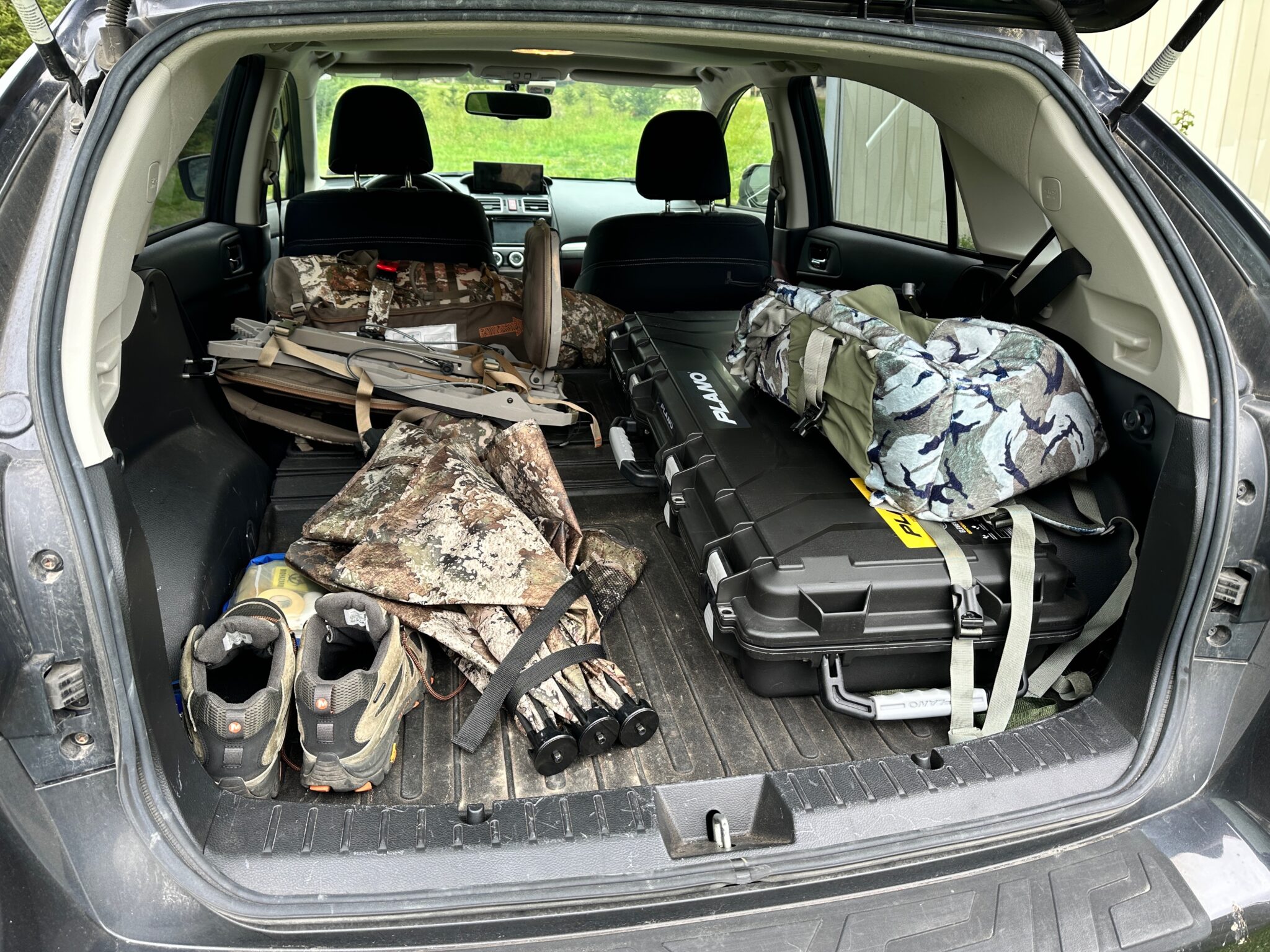
The Latitude Ranger 22 is my primary saddle pack when I want the complete day-hunting setup. It has enough room for my supporting gear without feeling oversized, and it carries the Profile Platform and Carbon SS sticks as one integrated system.
The Profile Platform Pocket has a different job. I use it when I want a light, quick trip and I am hunting close enough to the truck that I can safely minimize the packout. It is not what I choose when I need extra clothing, more food and water, or a more demanding recovery plan.
When I expect a heavier load or may need help moving a deer, the Mystery Ranch Pop Up 30 remains a situational alternative. The Eberlestock X2 can also fill a heavier-carry role. My saddle hunting pack comparison explains the full decision.
Binoculars, Monocular, and Rangefinder
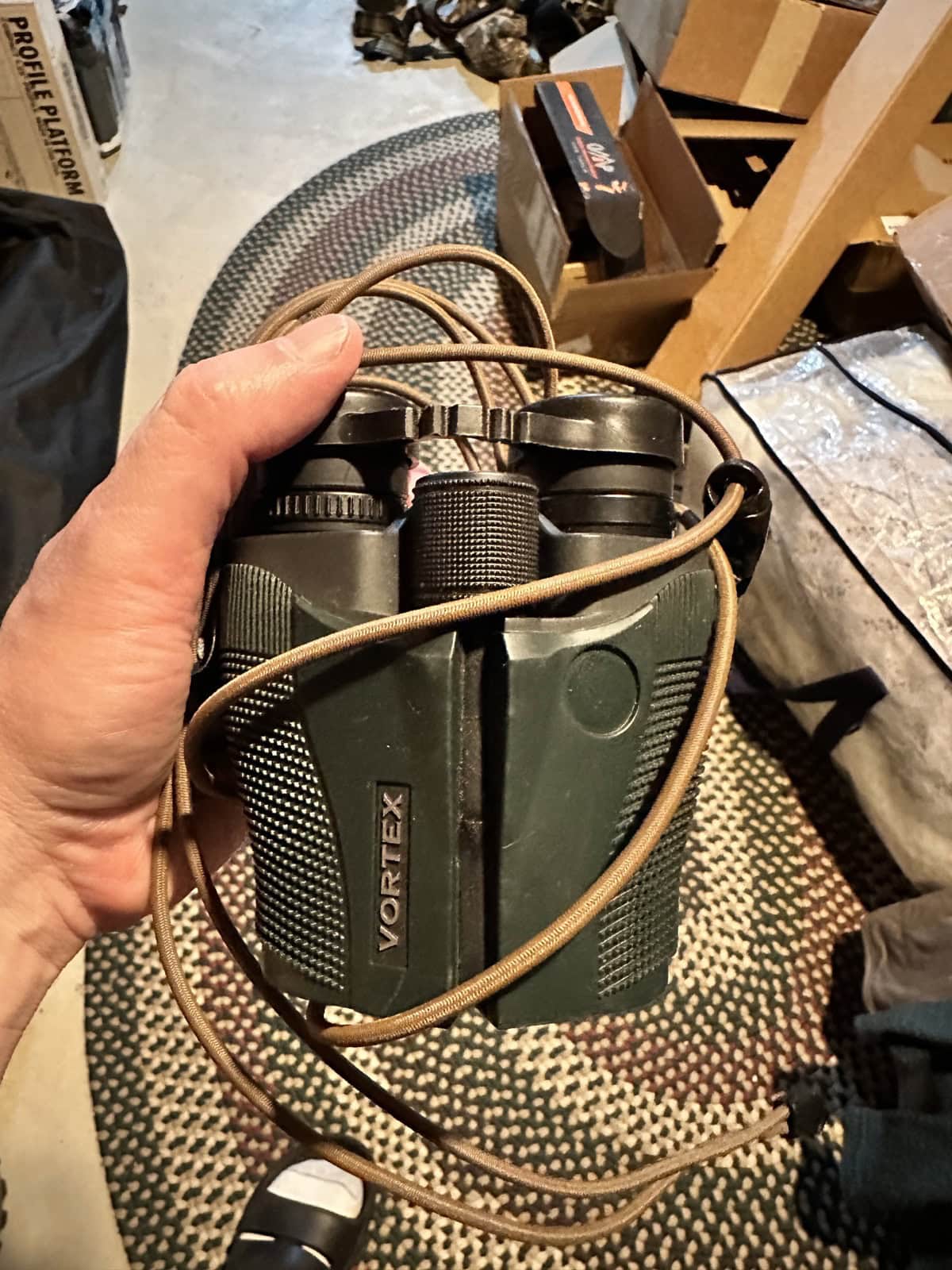
My normal hardwood setup is the Vortex Vanquish 10×26 on a Rick Young Outdoors Basic Ultra-light Bino Harness. I hate having a large binocular pouch hanging on the front of my body. The Rick Young harness lets me pull the binoculars up quickly and then brings them back tight to my chest.
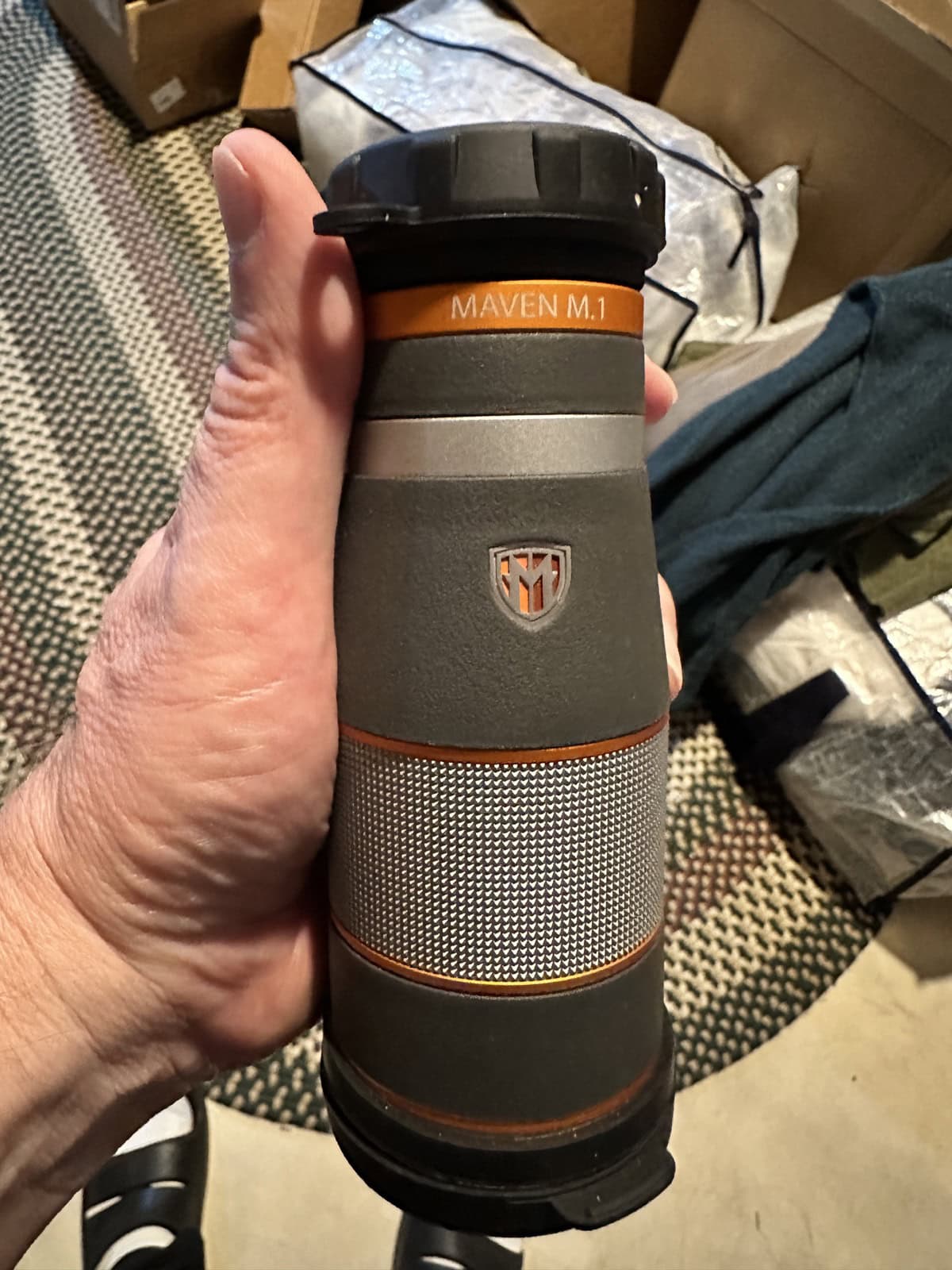
I used the Maven M.1 10×42 Monocular as my primary optic during much of last season. It is a very good optic, and I really like the image quality. The problem was carrying it. I kept it in a pouch on the right side of my saddle, pulled it out when I needed it, and had to be careful not to drop it unless I tied it off.
I still carry the Maven M.1 on selected hunts and use it more often for scouting trips where I want better glass. For normal mobile treestand hunting, the Vortex and Rick Young harness are more convenient.
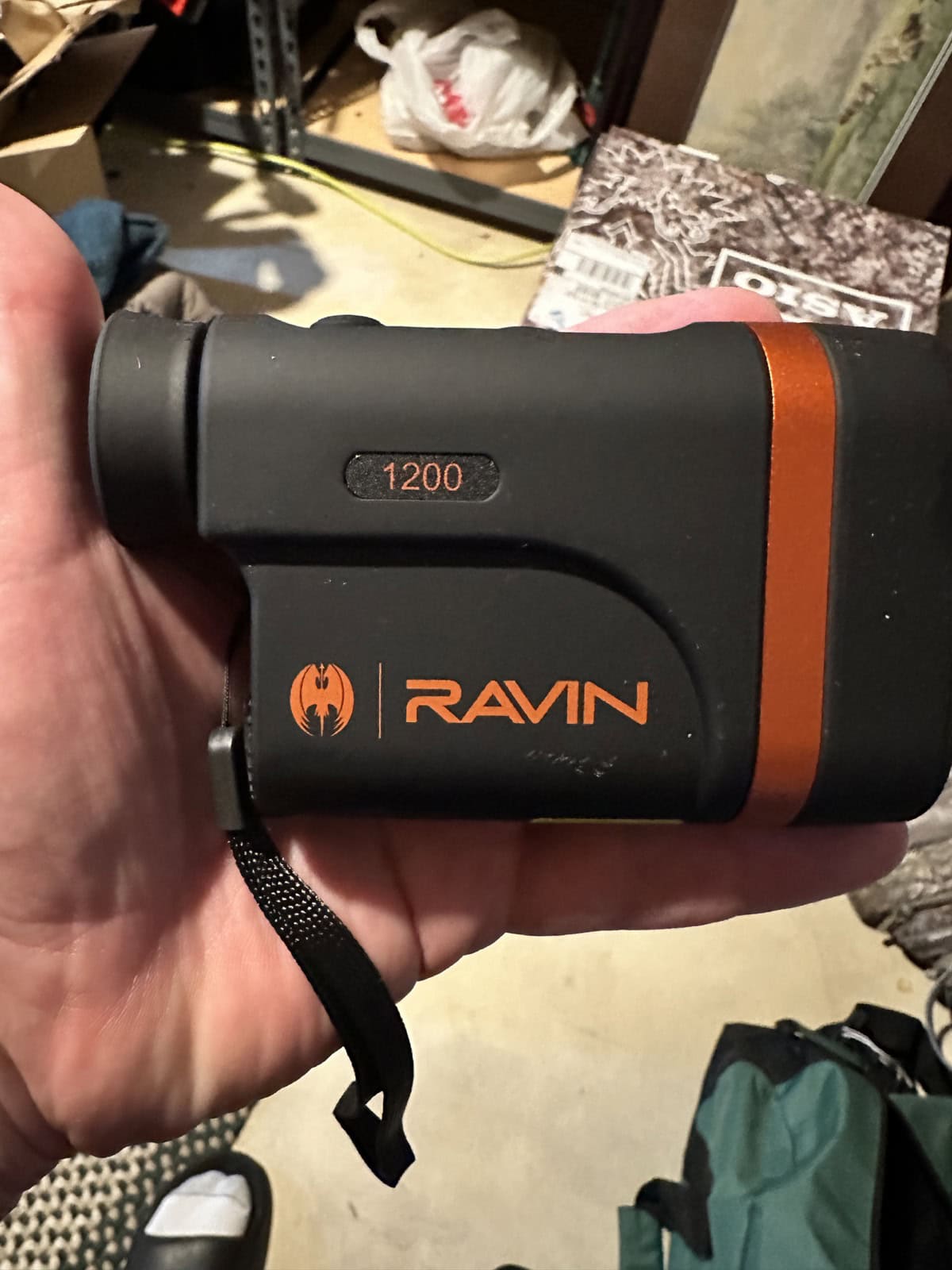
The Ravin 1200 has been my primary rangefinder for roughly three years. I have also tested the TIDEWE HR-F700 and HR-F1000. Both of those lower-cost units performed well for me out to about 700 yards, which is far beyond a bow shot but useful for scouting and checking distant reference points.
My Primary and Backup Lighting
I did not originally want to depend on a rechargeable headlamp. I worried about forgetting to charge it or having it die when I needed it. The PEAX Backcountry Duo changed my mind because the white light is powerful and even the red light gives me enough output to move effectively.
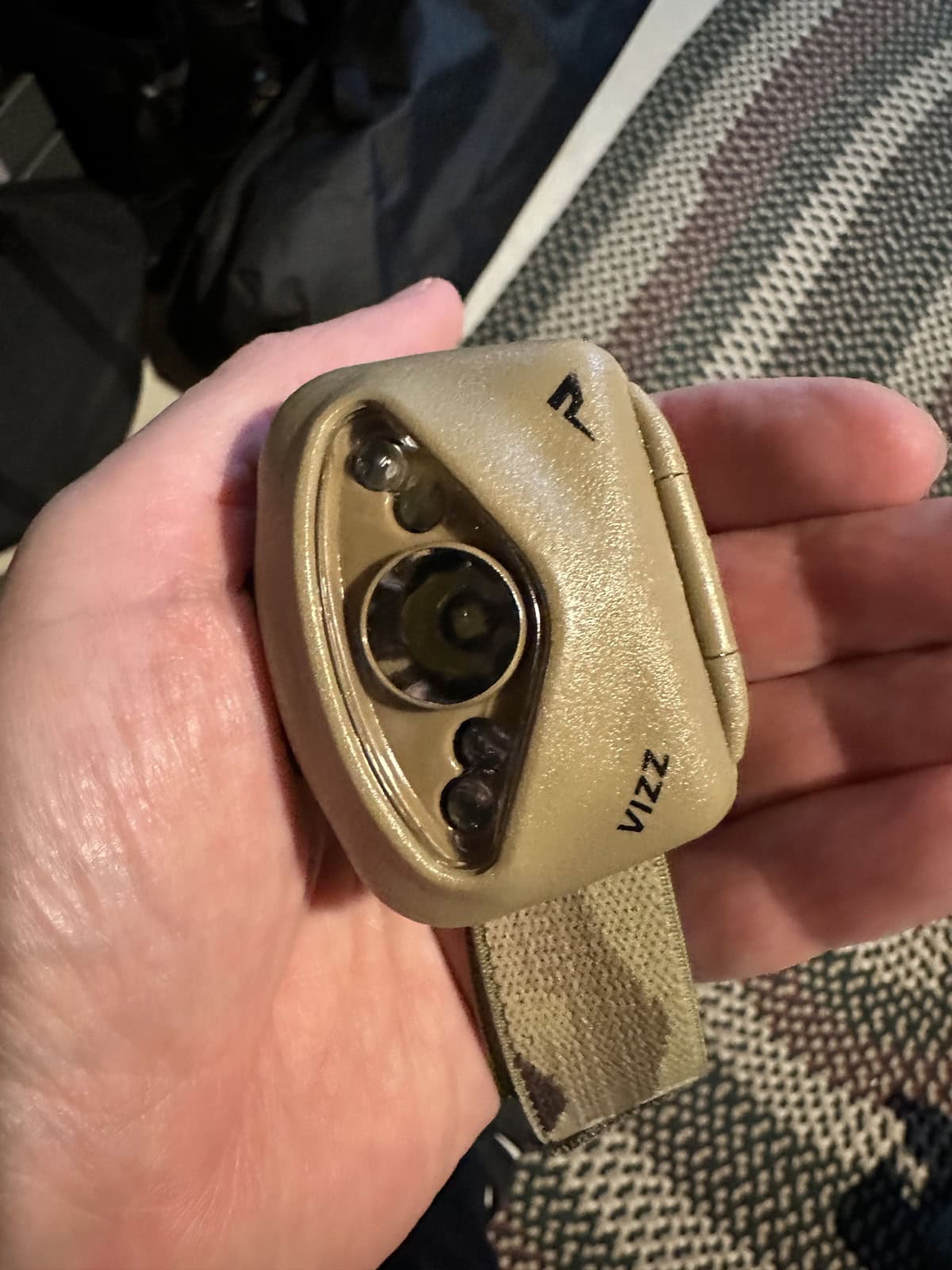
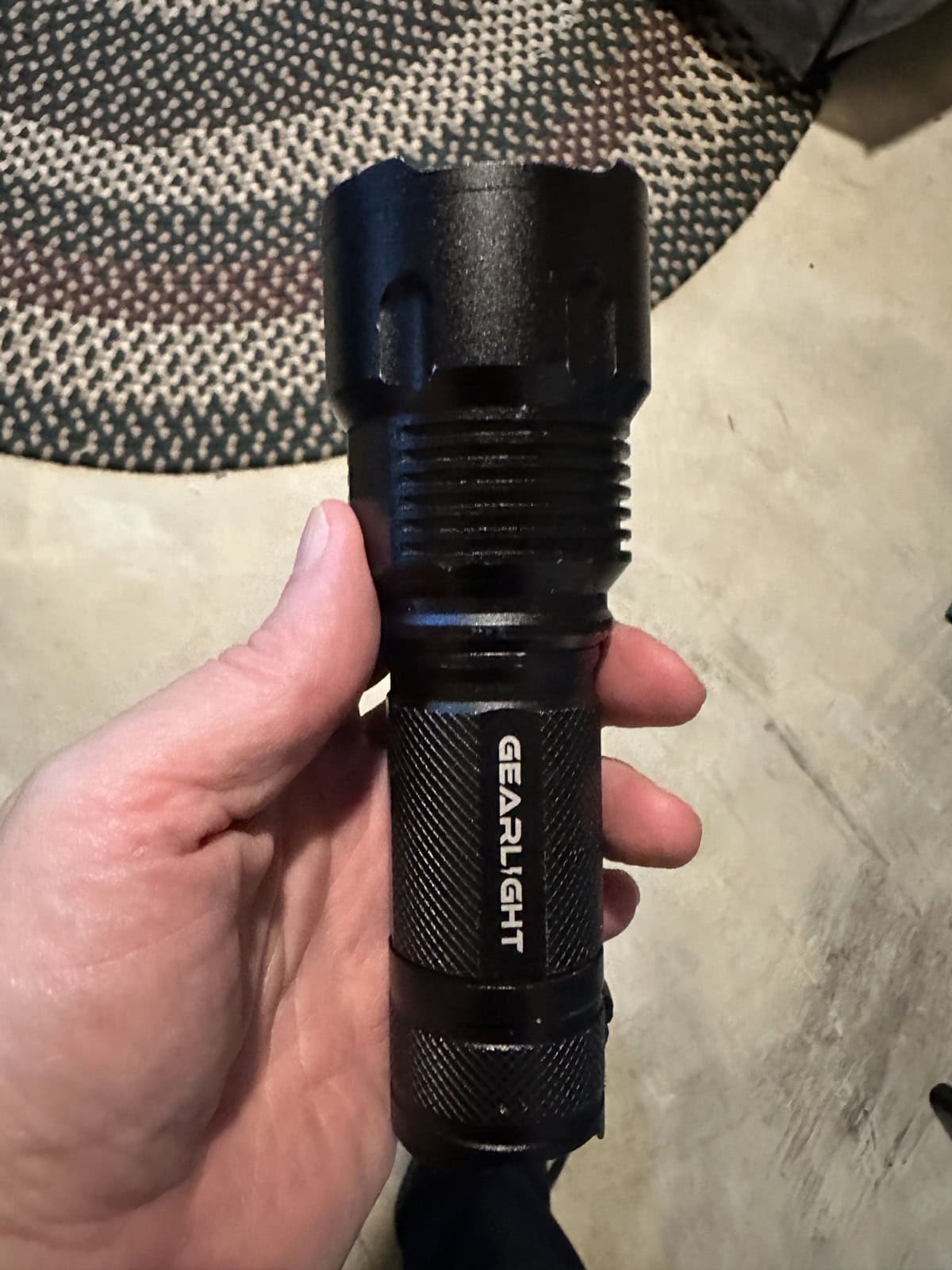
I still do not trust one rechargeable light as my only option. The Princeton Tec Vizz used to be my primary headlamp and now stays with me as the battery-powered backup. I also carry the GearLight handheld flashlight. Its adjustable spot-to-flood head gives me a strong handheld option when I need more light than the headlamp provides.
When I am walking the final 200 yards in the dark, I use red light when the terrain and conditions allow it. I am trying to reduce my light signature around the stand, not prove that red light makes me invisible. Safety still comes first when I need more light to see the ground or an obstacle.
Medical Gear for Remote Hunts
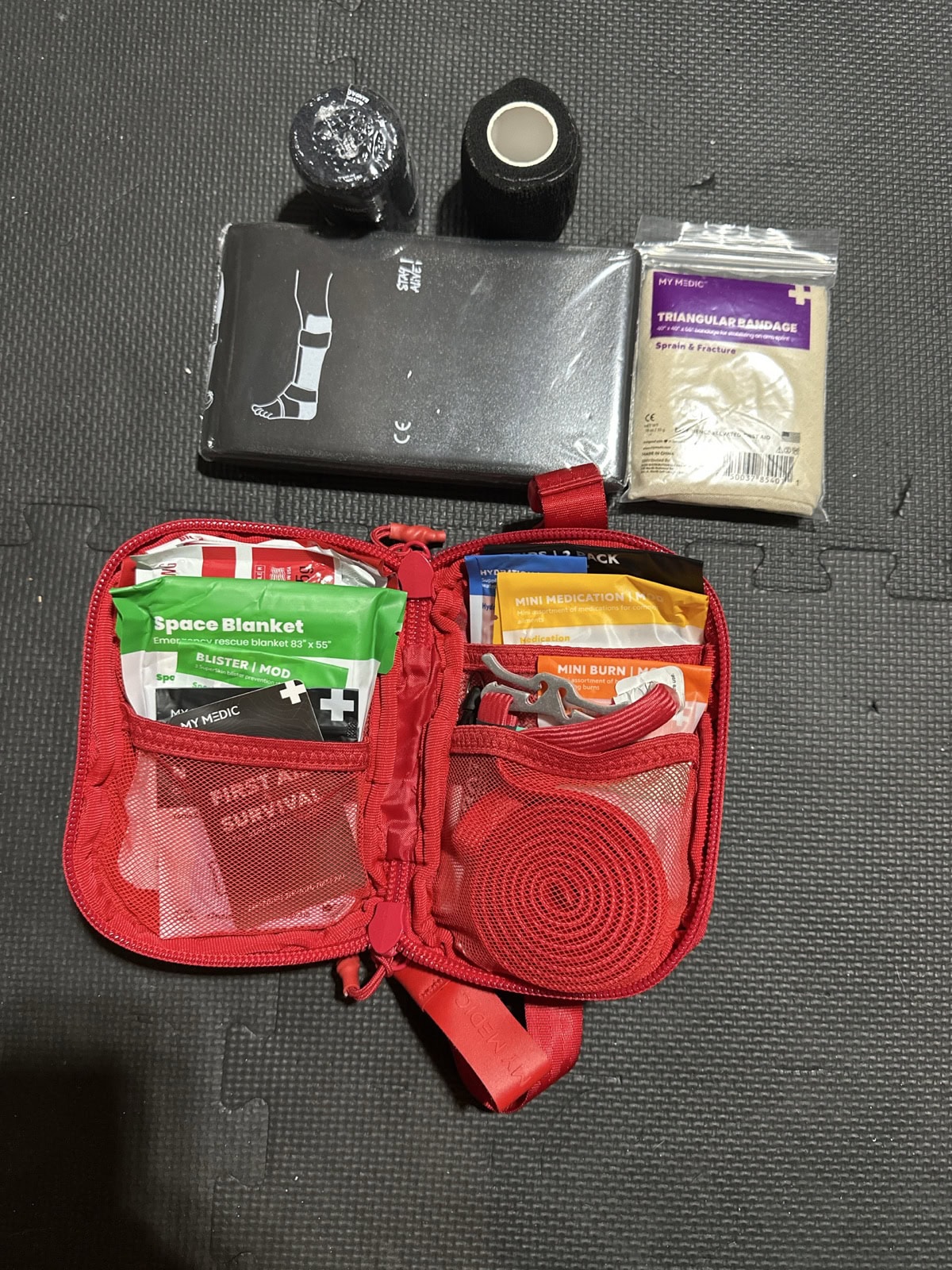
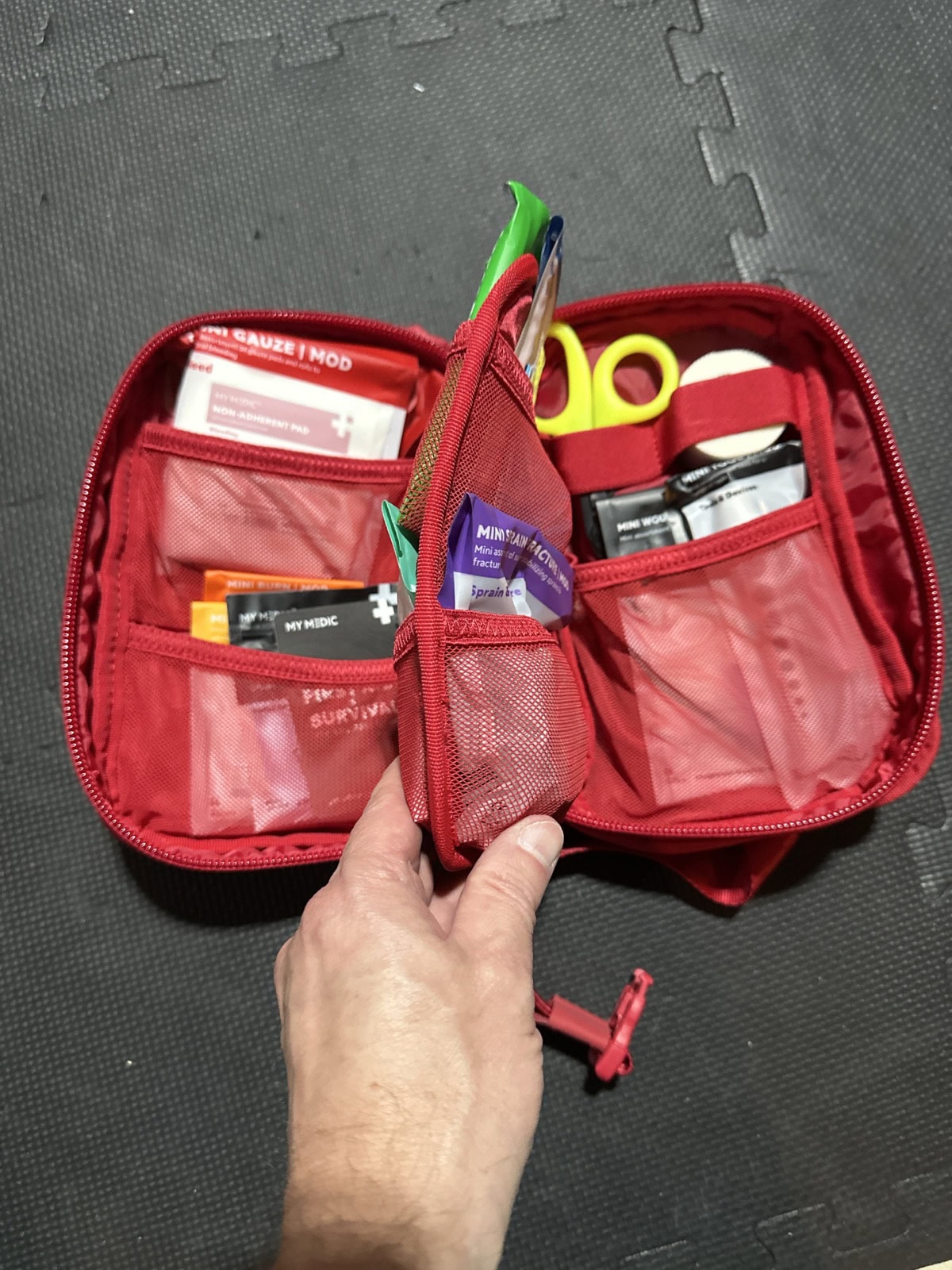
I hunt far enough from the road that medical help is not going to reach me quickly. That changes what I am willing to leave behind. My normal in-the-woods setup starts with a MyMedic Sidekick. I supplement it with a compact splint, gauze, wraps, a triangular bandage, and a tourniquet.
The larger MyMedic MYFAK stays in my 2025 Toyota Tacoma all the time. That gives me a more complete medical kit at the truck without forcing me to carry the larger pouch through the woods on every hunt.
If I deliberately cut the load down for a light hunt, I may leave the complete Sidekick behind. I still carry the splint, gauze, and triangular bandage. I have medical training from my time in Special Forces and have seen enough injuries to know that equipment and the ability to use it have to go together. A hunter who carries emergency equipment should also get appropriate first-aid and bleeding-control training.
Recovery and Field Processing Gear
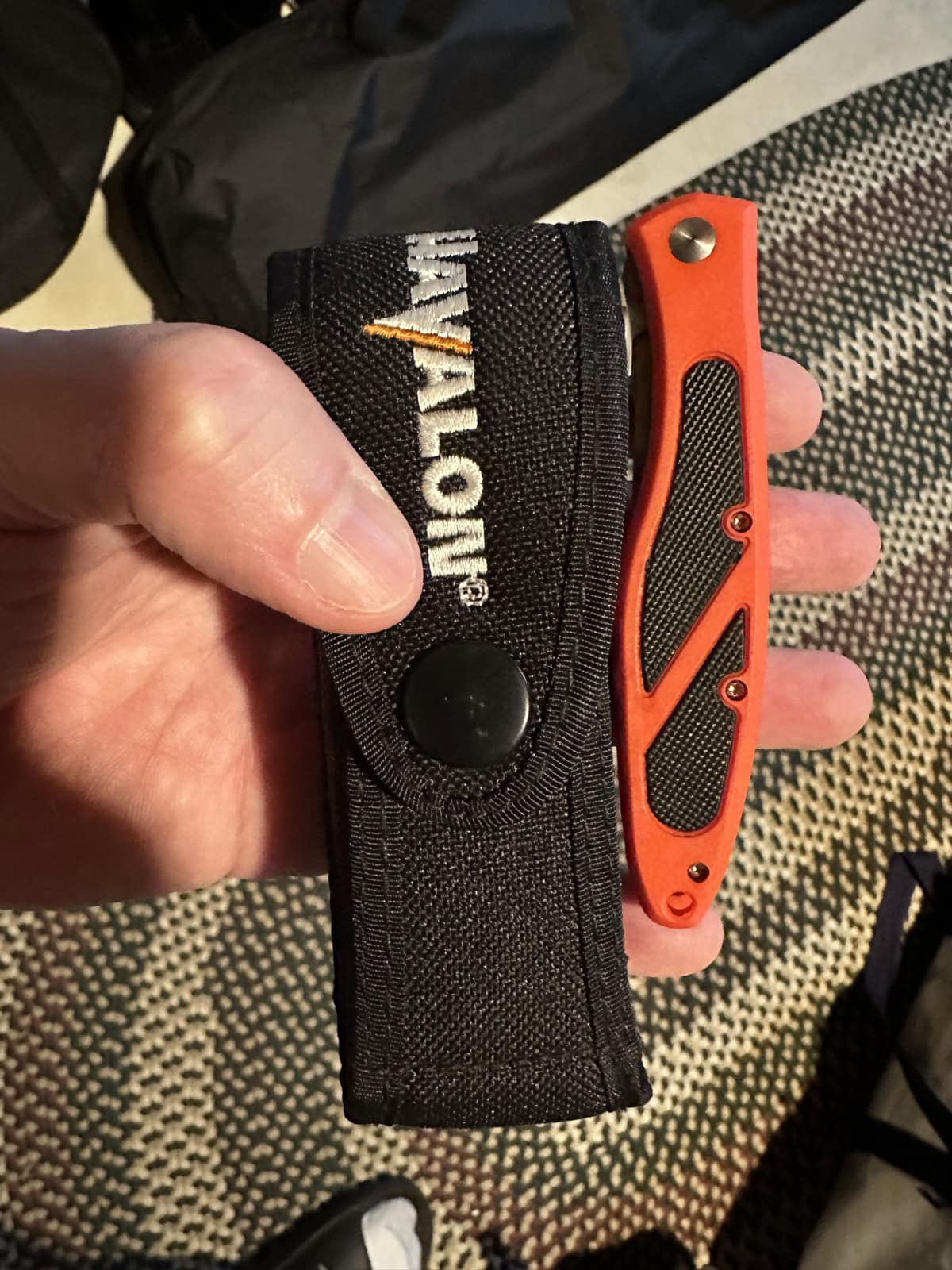
I carry the Havalon Piranta Edge with replaceable 60A blades for field processing. The blades are unbelievably sharp, and the knife does an incredible job in the field. You have to be careful while using it because it really is that sharp.
The replacement tool lets me remove and install a blade without grabbing the sharp edge with my fingers. I still take my time with it, but the tool makes the change safer and easier.
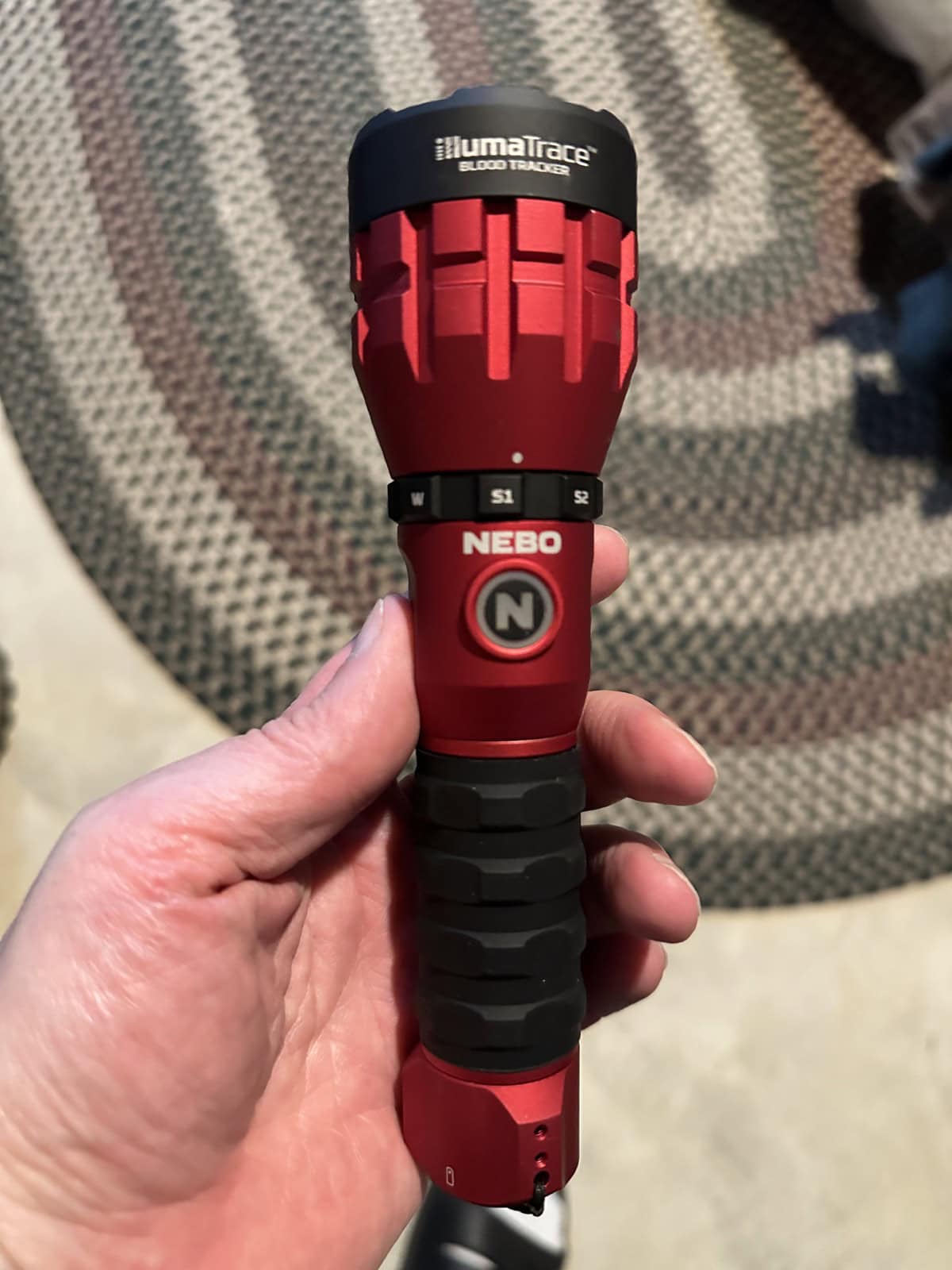
I have used the NEBO IllumaTrace Blood Tracker during deer recovery. Sometimes it helps me pick out small drops, and sometimes it does not. Wet ground, the amount of blood, and the surface all affect what I can see. I carry it as another tool, not as a replacement for careful tracking.
The Doyle’s Deer Gear Huntin Hoist is the retractable heavy-duty hoist I use for my bow. It clips to my belt or pack while I climb. Once I am set in the tree, the strap wraps around my bow and lets me pull it up easily.
I have also been using the same cheap chest-harness deer drag for years. It rolls up small, is very light, and stays at the bottom of my pack waiting for the day I need it. Gloves, additional light, and any other pack-out equipment the hunt calls for round out the recovery system.
Water and Hydration for Longer Trips
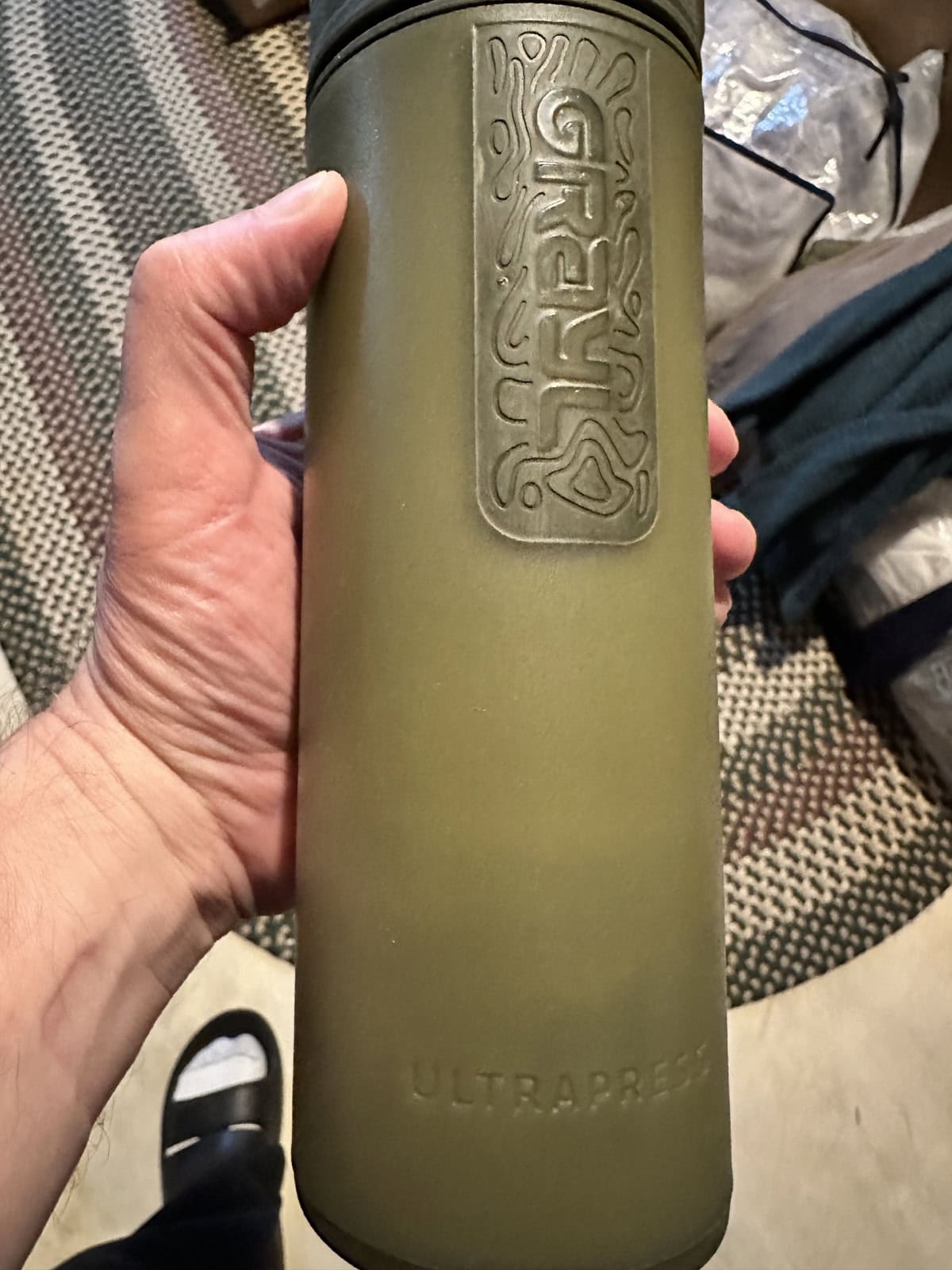
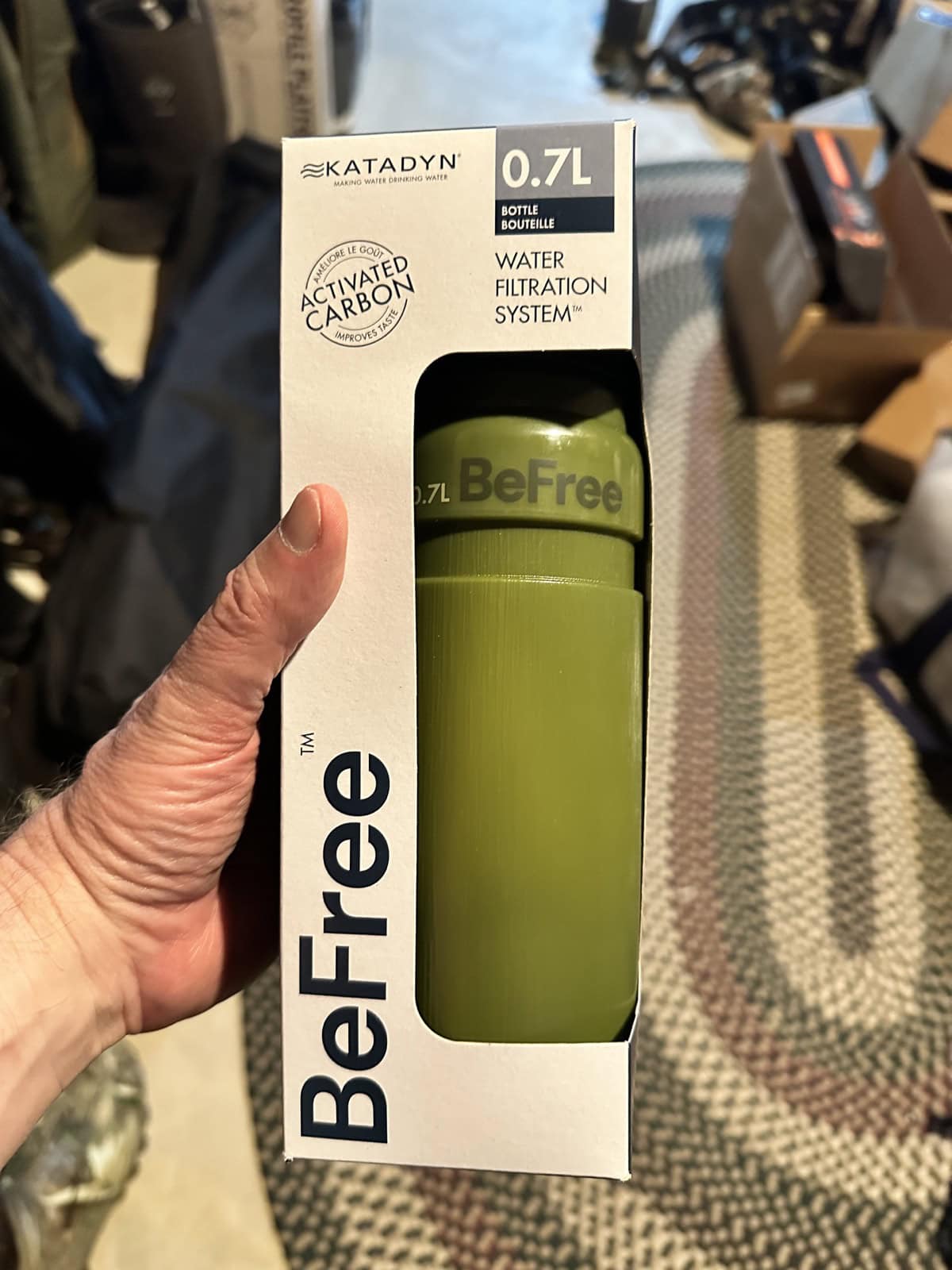
I have graduated to the GRAYL UltraPress for mountain hunts. I can collect water from a mountain stream, press it, and get water quickly without needing the same deep, clean filling point that works best with some soft-flask filters. I also use hydration packets such as LMNT or Liquid I.V. when the trip calls for them.
The Katadyn BeFree 0.7L is lighter and still useful. The limitation is filling it from shallow or silty water without pulling in sediment that I have to clean out later. I choose between the two based on the trip and the water sources I expect.
Small Items That Keep Me Comfortable and Organized
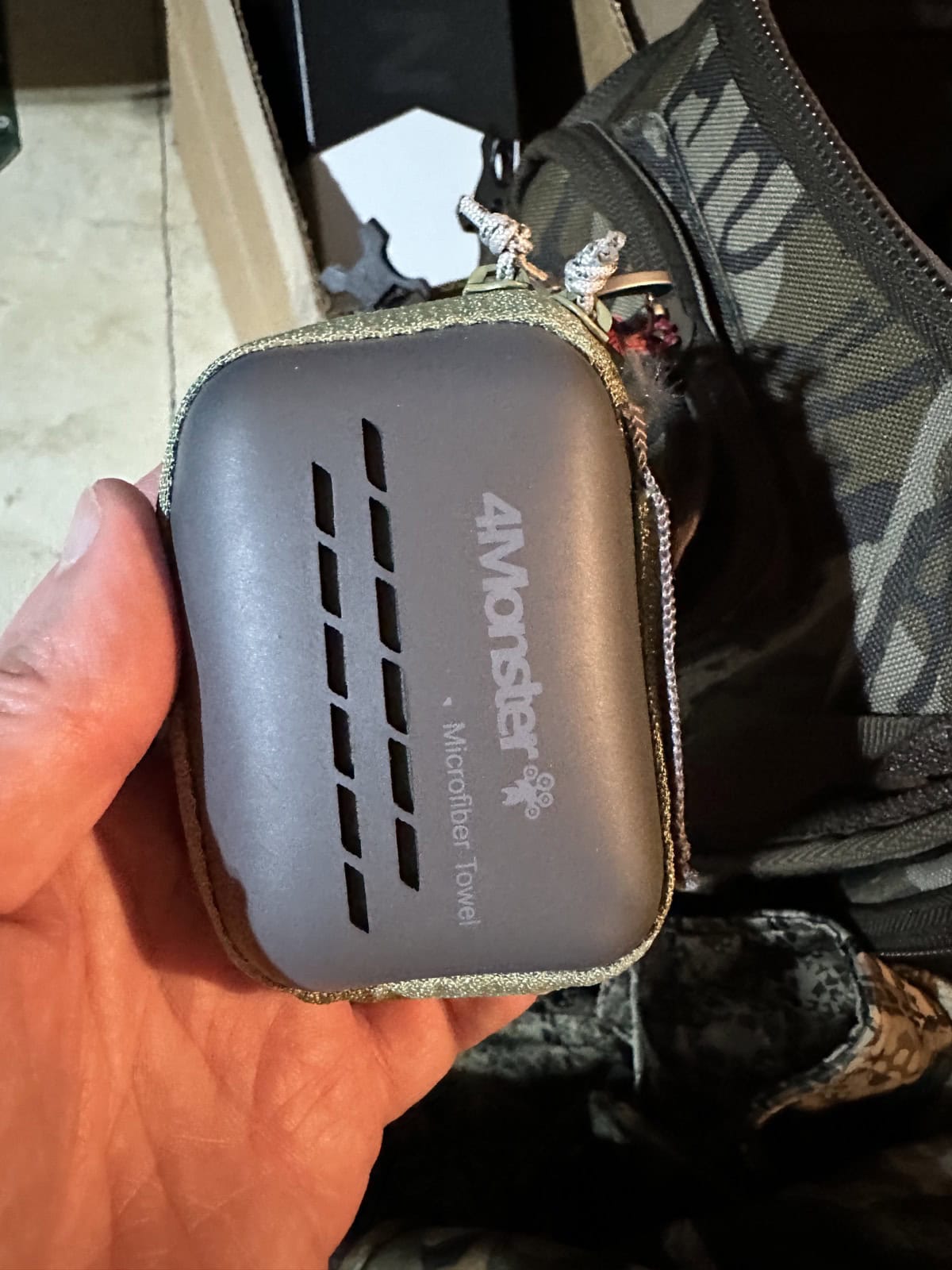
I use the 4Monster quick-dry towel for sweat, drying gear, and cleaning lenses. The towel has antimicrobial treatment and a vented case, so I can hang it from the pack and let it dry while I am in the stand. It is not a substitute for watching the wind, but it gives me a better way to handle sweat than carrying a wet rag in a closed pocket.
I also carry a lensatic compass as a navigation backup, along with my phone and offline maps. Electronics fail, batteries die, and a simple compass still gives me another way to maintain direction on a long trip.
What Stays at Camp or in the Truck
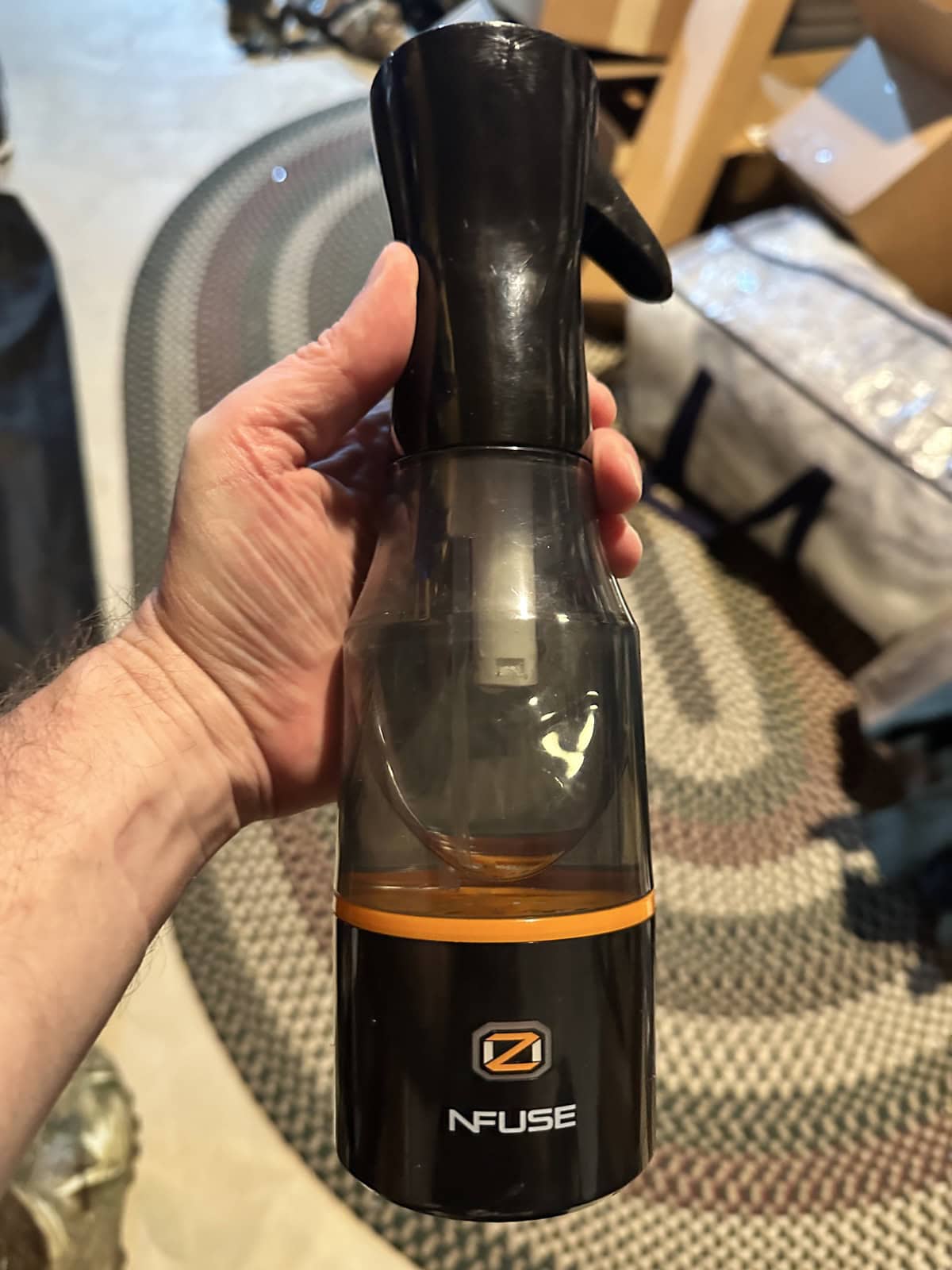
I keep the ScentLok NFuse at camp and bring it in the vehicle. Before I enter the woods, I use it to spray myself and some of my gear beside the truck.
I cannot tell you exactly how much difference it makes because I have not measured it. Sometimes I use other scent-control sprays too. I look at all of this as an extra step, not something that replaces playing the wind, keeping clean, or controlling how much scent I leave behind.
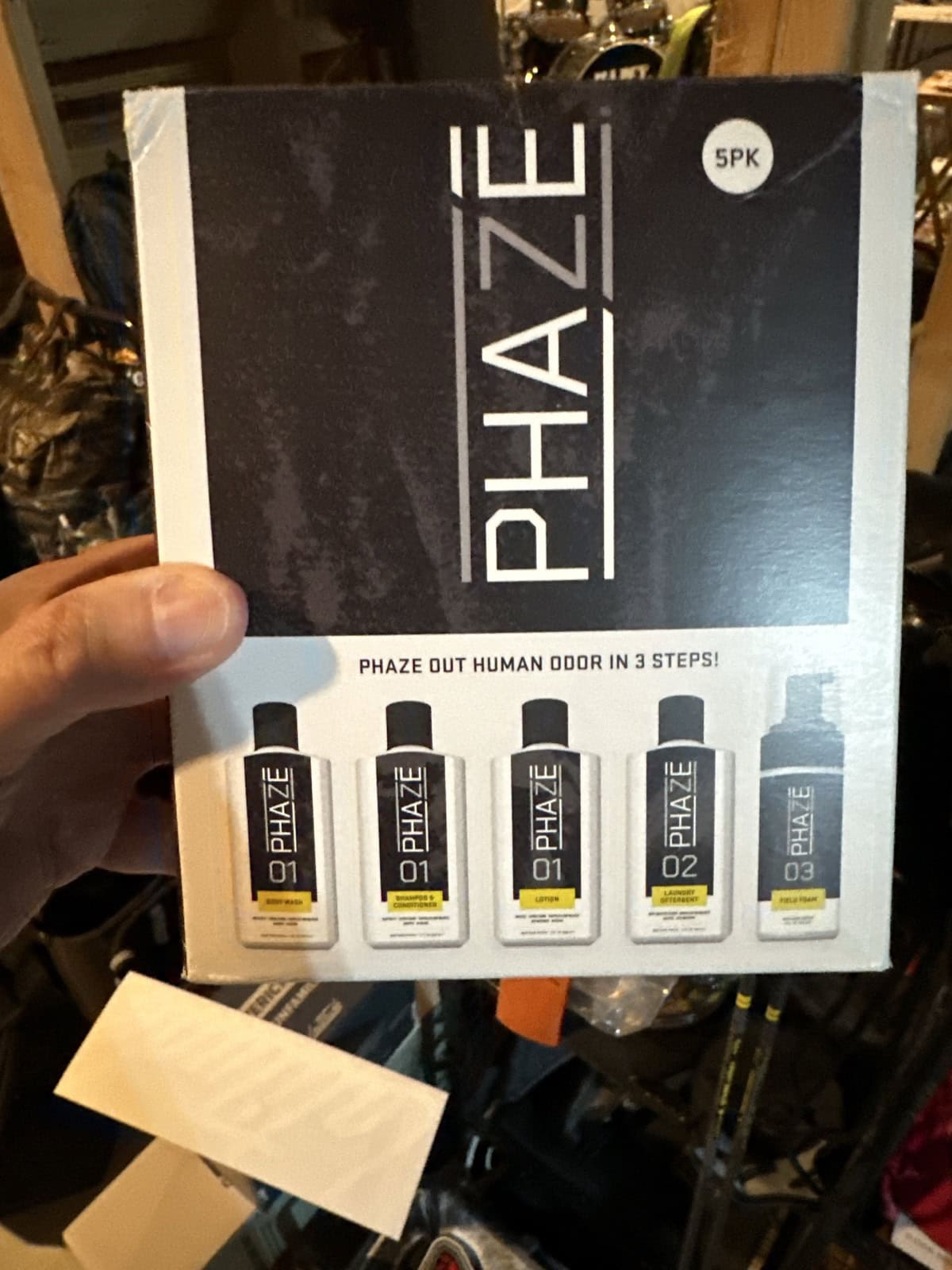
I have also used the five-piece PHAZE system. Most of it stays at home or camp because the kit includes body wash, shampoo and conditioner, lotion, and laundry detergent. The PHAZE Field Foam is the part I may take into the woods so I can wipe down my hands and face after sweating.
How My Loadout Changes by Hunt
I do not carry every item on every hunt. The distance from the truck, weather, water, expected recovery, and the way I plan to hunt decide what comes with me.
- Short hunt near the truck: Maverick saddle, Profile Platform Pocket, Carbon SS sticks, loaded saddle pouches, and a reduced supporting load.
- Normal saddle hunt: Ranger 22, complete Latitude system, medical equipment, recovery gear, water, and the layers required for the conditions.
- Longer or remote hunt: More complete medical support, navigation redundancy, water purification, food, and a pack selected around the possible recovery.
- Scouting or glassing trip: The Maven M.1 may replace the smaller Vortex when optical quality matters more than instant treestand access.
- Heavy-load possibility: The Pop Up 30 or Eberlestock X2 can take over when the recovery plan requires more support.
A useful gear list is not about carrying the most equipment. It is about having what the hunt requires without burying yourself under things you do not need. Start with the shot, climbing safety, navigation, medical plan, weather, and recovery. Then add the products that solve a real problem for the way you hunt.