
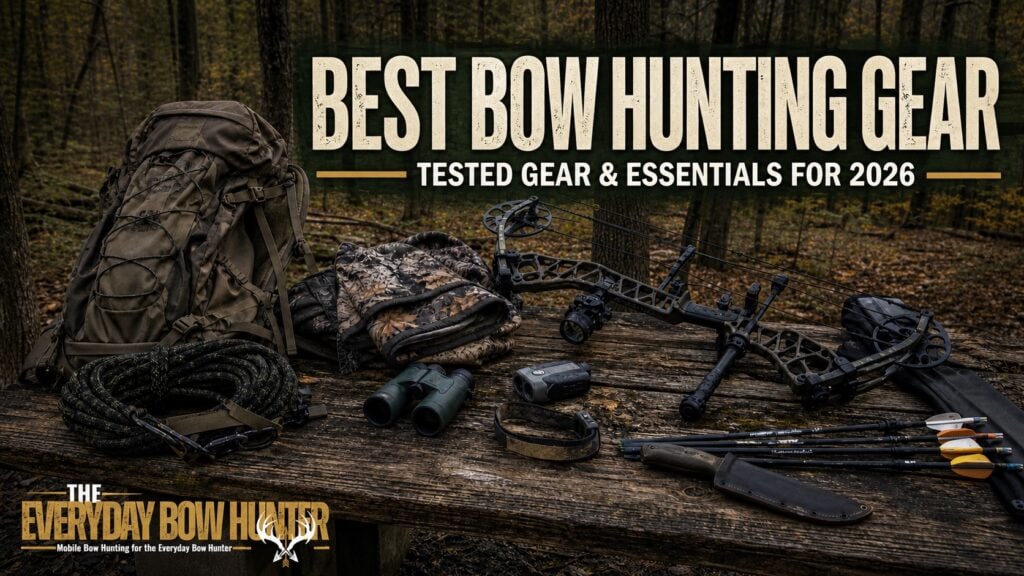
I have enough bowhunting gear to fill several packs, but very little of it earns a permanent place in my hunting system. A good product still has to solve the right problem. If it adds weight, noise, bulk, or another failure point without helping the hunt, it stays home.
That is also why one list of “best bow hunting gear” can get confusing. The quietest treestand pack is not the pack I want for hauling a deer out of the mountains. My saddle pack has a different job again. The same thing happens with arrows, clothing, boots, and optics.
I have tested and hunted with enough of this equipment to know where those differences show up. I will give you the bottom line first, then explain the tradeoffs that decide whether each item fits your hunt. If you want the exact equipment I am carrying this season, use my complete 2026 bow hunting gear list.
My Best Bow Hunting Gear Picks at a Glance
| Category | My pick | Best for |
|---|---|---|
| Current compound bow | PSE Decree | A fitted and tuned hunting system I still trust |
| All-around hunting arrow | Victory VAP TKO | A small-diameter build balanced for the bow |
| Fixed broadhead | Trifecta 150 | Durability, edge strength, and penetration |
| Early-season clothing | Sitka Equinox Guard | Heat, ticks, mosquitoes, and mixed cover |
| Lightweight treestand pack | Mystery Ranch Treehouse 20 | Quiet access and silent use in the tree |
| Treestand and mountain pack | Mystery Ranch Pop Up 30 | Day-hunt mobility with deer pack-out ability |
| Saddle hunting pack | Latitude Ranger 22 | An integrated Latitude mobile system |
| Hardwood binocular | Vortex Vanquish 10×26 | Compact, clear close-range glass |
| Rangefinder | Ravin 1200 | My primary rangefinder after three seasons |
| Primary headlamp | PEAX Backcountry Duo | Strong white and red light for access |
My bottom line: Start with the equipment that controls the shot and keeps you safe. Add specialized packs, clothing, and accessories when your hunting method gives them a real job. A pile of gear does not make a complete system.
This post contains affiliate links. If you buy through one, I may earn a commission at no added cost to you. The commission does not change the products I choose or the limits I report.
What Bow Hunting Gear Do You Need First?
The first buying decision is easier when you separate shot-critical equipment from gear that makes a certain style of hunting easier. Your bow has to fit. Your arrows have to match the bow and tune. Your release, sight, and rest have to support a repeatable shot. If you hunt above the ground, your safety system has to match the climbing method and be used correctly.
Clothing and boots come next because they keep you hunting in your conditions. A pack, rangefinder, binocular, headlamp, knife, and recovery gear solve the work around the shot. Buy those pieces around the way you hunt instead of copying somebody else’s entire loadout.
- Fit and shoot the bow: Bow, release, sight, rest, and safe practice arrows.
- Build the hunting arrow: Correct spine, finished weight, durable components, and a broadhead you can tune.
- Stay safe and hunt longer: Treestand or saddle safety equipment, boots, and a clothing system for your weather.
- Solve access and recovery: Pack, lighting, rangefinder, knife, medical gear, water, and a plan for moving the deer.
Trying to choose a cold-weather hunting jacket? I tested 12 jackets for warmth, quietness, mobility, weather protection, and value. See the full benchmark and find the jacket that fits the way you hunt.
The Bow Setup Matters More Than a New Bow Name
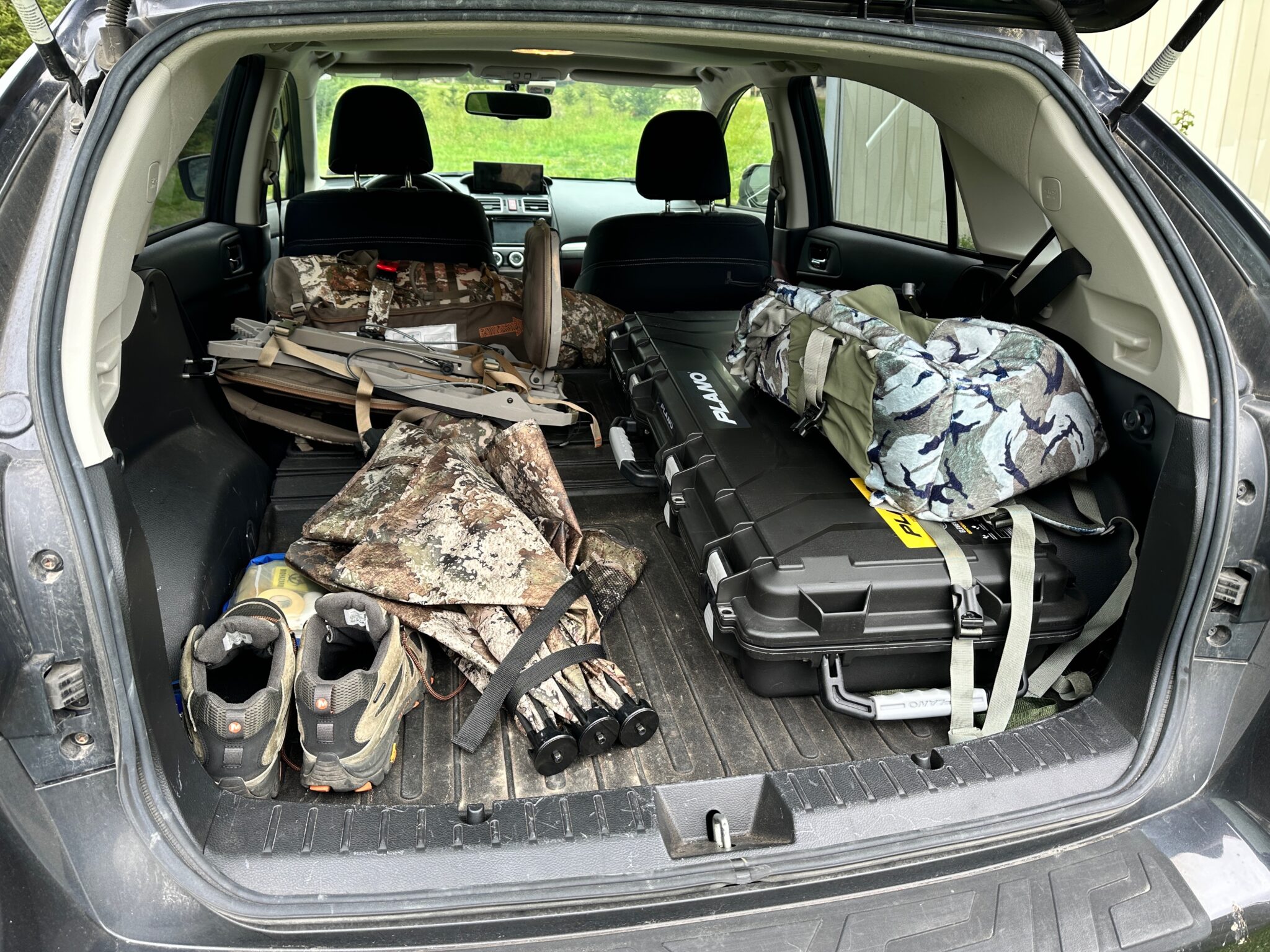
My PSE Decree is still my hunting bow. It fits me, I understand how it shoots, and I have tuned the rest of the setup around it. A bow does not stop killing deer because a newer flagship model reaches the market.
I have looked at premium lightweight bows such as the Xpedition XLite 32 and value packages such as the Bear Adapt 2. I am not calling either one a field-tested overall winner here because I have not supplied the same kind of use behind those claims. Shoot the bow before you buy it. Make sure you can draw it quietly from a seated or awkward hunting position, settle into the back wall, and hold it without fighting the setup.
My current accessories include an Axcel Landslyde sight, Hamskea arrow rest, Trophy Ridge Hitman 8-inch stabilizer, Conquest Talon quiver, and Tru-Fire Edge 4-Finger release. The release rides in a pouch on the saddle I wear into the woods, where I can get to it without digging through my pack.
See the full reasoning in my complete compound bow setup for whitetails.
Best Hunting Arrows and Broadheads
The Victory VAP TKO is still my best all-around shaft recommendation, but the model name does not finish the build. Shaft length, spine, front components, broadhead, vanes, nock, and total weight change how the arrow reacts when you shoot it. That reaction is dynamic spine.
I lean toward a balanced or heavier hunting arrow because I want the arrow to use the bow’s stored energy, hold together, and give me a better plan B when the hit is not the perfect double-lung shot everybody hopes for. I do not give every hunter one finished weight. Your draw length, draw weight, bow, arrow length, and components change the answer.
Other Arrow Builds That Fit a Different Job
The Gold Tip Hunter XT makes sense when value, wide availability, and a standard-diameter build matter more than getting into a small-diameter system. My current working build uses an Easton 4mm FMJ. It gives me a narrow, heavier shaft, with the construction tradeoffs that come with an aluminum-carbon arrow.
Trifecta 150, Muzzy Trocar, or G5 MegaMeat?
The Trifecta 150 is my fixed-blade choice when edge durability, strength, and penetration lead the decision. That 150-grain head has to be planned into the spine and finished arrow weight. The Muzzy Trocar is the easier value choice for a hunter who wants a replaceable-blade fixed head. The G5 MegaMeat fits hunters who want a large mechanical cut and have enough bow and arrow behind it.
Start with my best deer hunting arrow guide, then use the Arrow Planner to build around your bow instead of copying mine.
Best Bowhunting Clothing and Boots
I judge hunting clothes by the complete job: the walk, sweat, wind, brush, time in the stand, and the draw. The warmest jacket can still be the wrong jacket if it holds your moisture during the walk or makes too much noise when a deer is close.
Early Season: Sitka Equinox Guard
I have used the Sitka Equinox Guard system for about four years, and it remains my most dependable early-season setup. The hoody moves sweat and dries fast. The pants do the best job I have found of balancing quiet fabric with enough durability for mixed cover. The Insect Shield treatment has also kept earning its place through years of use, although the pants have faded.
The First Lite Trace is a close second and leans lighter and quieter. The fabric gives up some brush protection to get there. Read my early-season hunting pants comparison if that tradeoff controls your hunt.
SITKA lists the current full MSRP at $159 for the hoody and $269 for the pants. Compare that full system price with the conditions you hunt and the number of seasons you expect to use the insect protection.
Midseason and Cold Weather
The KUIU Kenai remains a useful midseason insulation piece because it is warm, quiet enough for bowhunting, and easy to pack. For colder hunts, I build layers around the walk and the sit instead of expecting one jacket to solve everything. My cold-weather jacket comparison explains the systems I would use when temperatures drop.
Boots Have to Match the Ground
The LaCrosse Alphaburly Pro is my rubber-boot pick for wet access, swampy ground, and the kind of whitetail hunting where I want rubber around my lower leg. The Crispi Attiva fits active hunts where I will cover ground and want more support. TIDEWE remains a budget rubber option. Fit decides all three, especially after you add the socks you will hunt in.
The Best Hunting Pack Changes With the Hunt
This is the category where a single winner would mislead hunters. The Treehouse 20, Pop Up 30, and Ranger 22 solve three different problems. I would not replace one with another unless the hunt changed.
Best Lightweight Treestand Pack: Mystery Ranch Treehouse 20
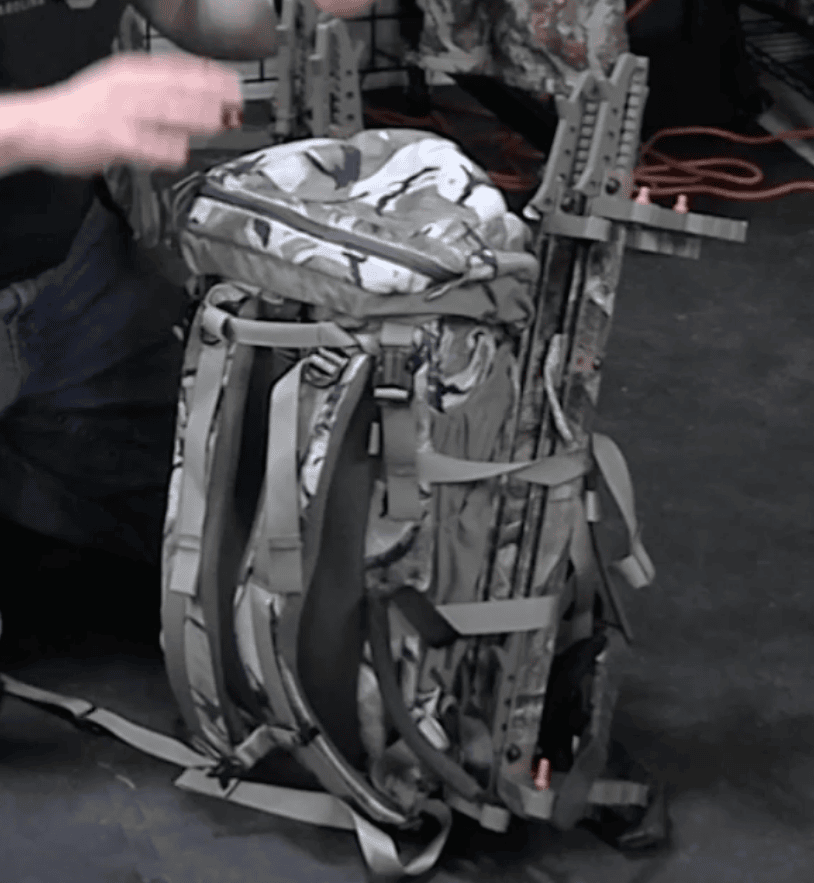
The Treehouse 20 is my best pure treestand pack when you want something light and quiet. Mystery Ranch built silence into the pack instead of treating it as a soft panel added to a normal hiking pack. The exterior, access, and storage all make sense when you are reaching for gear with a deer inside bow range.
Capacity and load hauling are the limits. The pack is small, has no load shelf, and is not the choice I would make for a mountain recovery. Mystery Ranch lists a $250 full MSRP, but the pack was out of stock on the brand’s site when I checked on September 1, 2026. Some retailers still had remaining inventory. Check that before building your system around it.
Best Treestand and Mountain Pack: Mystery Ranch Pop Up 30
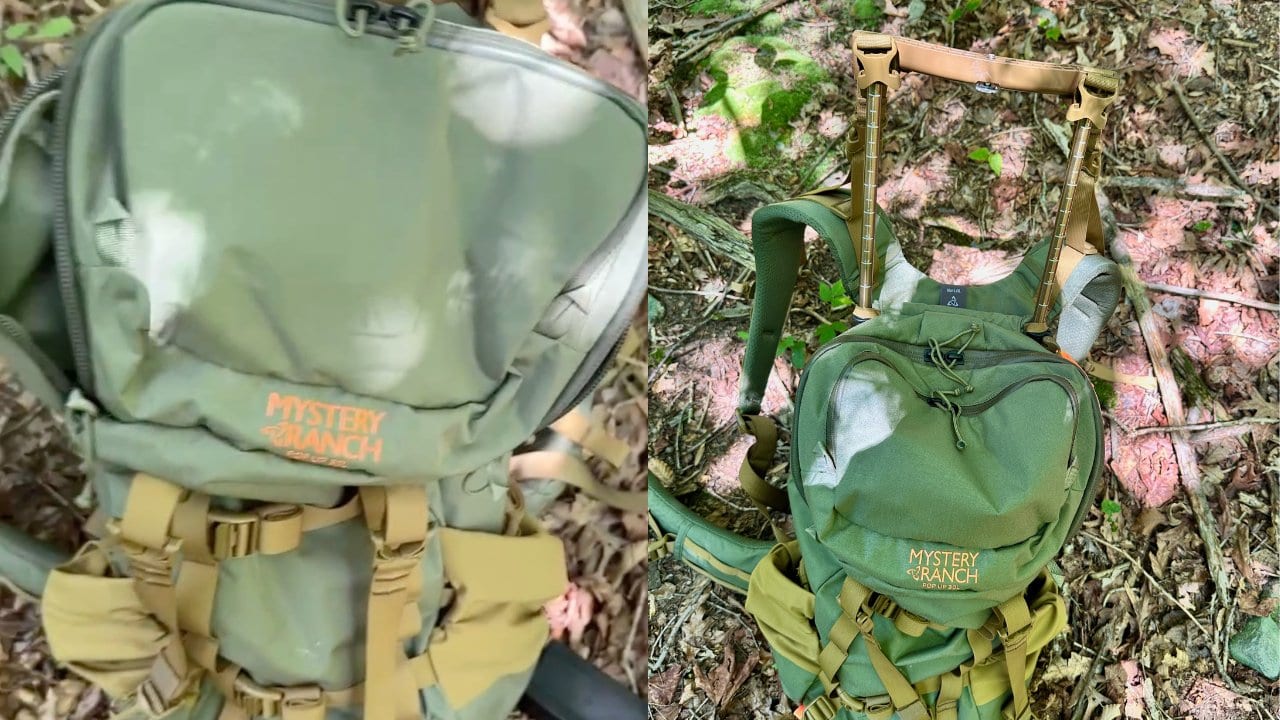
The Pop Up 30 is the most versatile hunting pack in this group. I can use it for a treestand hunt, carry it into mountain terrain, and use the frame and load shelf to help pack out a deer. That ability changes the recovery plan in a way a quiet daypack cannot.
It carries more frame, structure, and weight than the Treehouse 20. I accept that when the hunt may require a heavy load. Mystery Ranch lists a $425 full MSRP, although the pack was out of stock on the brand’s site when I checked on September 1, 2026. Retailers still had some inventory. If I am close to the truck and only need a light treestand pack, the Treehouse is quieter and more focused.
Best Saddle Hunting Pack: Latitude Ranger 22
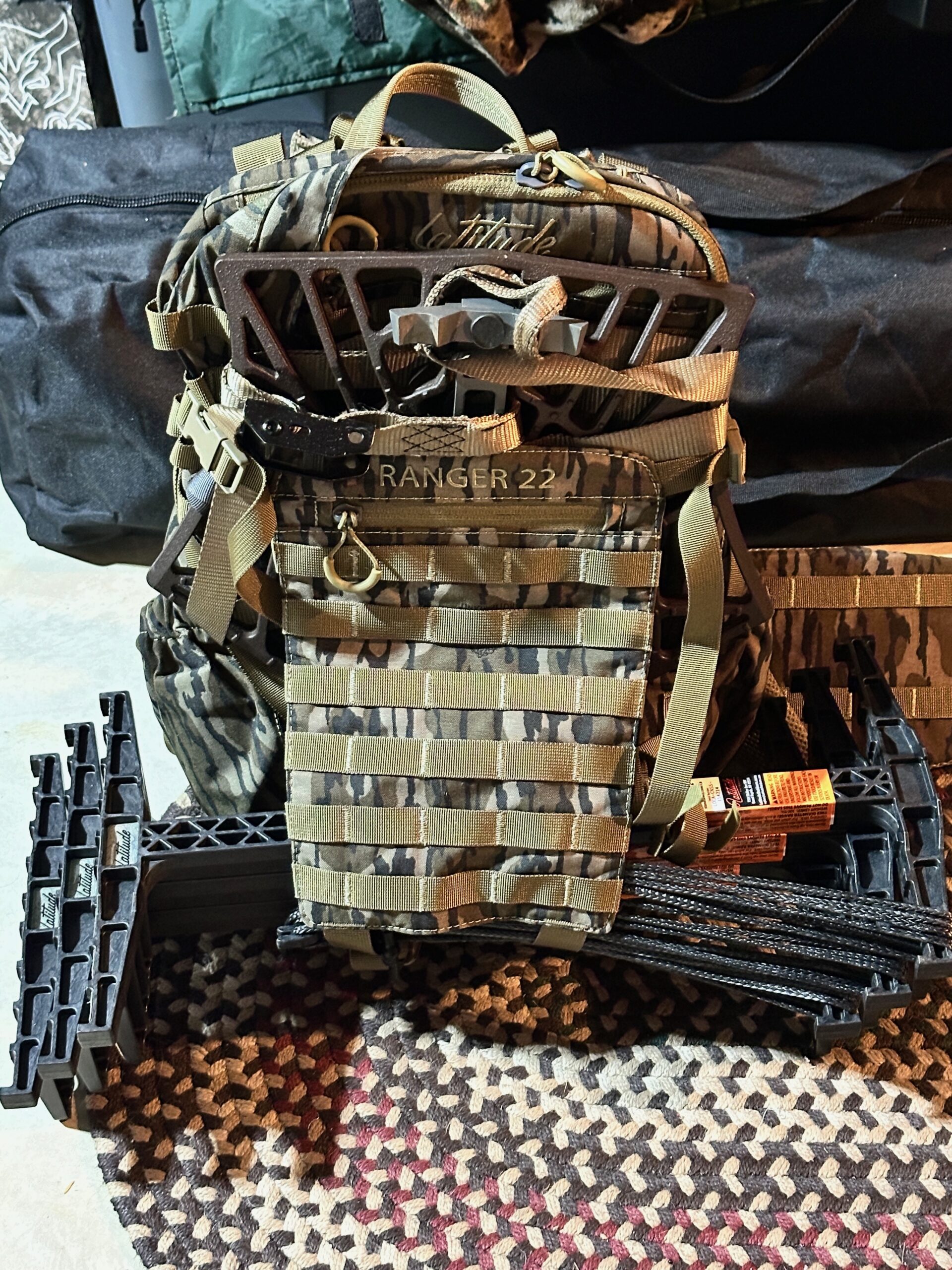
The Ranger 22 is my saddle hunting pick because it works with the Profile Platform and Carbon SS climbing sticks I already carry. It gives me enough room for a complete day-hunting setup without making the pack feel oversized. That integration is the advantage. Latitude listed it at $239.99 when I checked on September 1, 2026.
For a short hunt close to the truck, I can cut the system down to the Latitude Profile Platform Pocket and the pouches on my Maverick saddle. That is a minimal saddle setup, not a replacement for the Treehouse 20 on a pure treestand hunt.
My saddle hunting pack comparison goes deeper into pack construction and carrying different mobile systems. If the complete Latitude setup is what interests you, read my Latitude Outdoors saddle hunting system review.
Optics, Lighting, and the Small Gear I Use
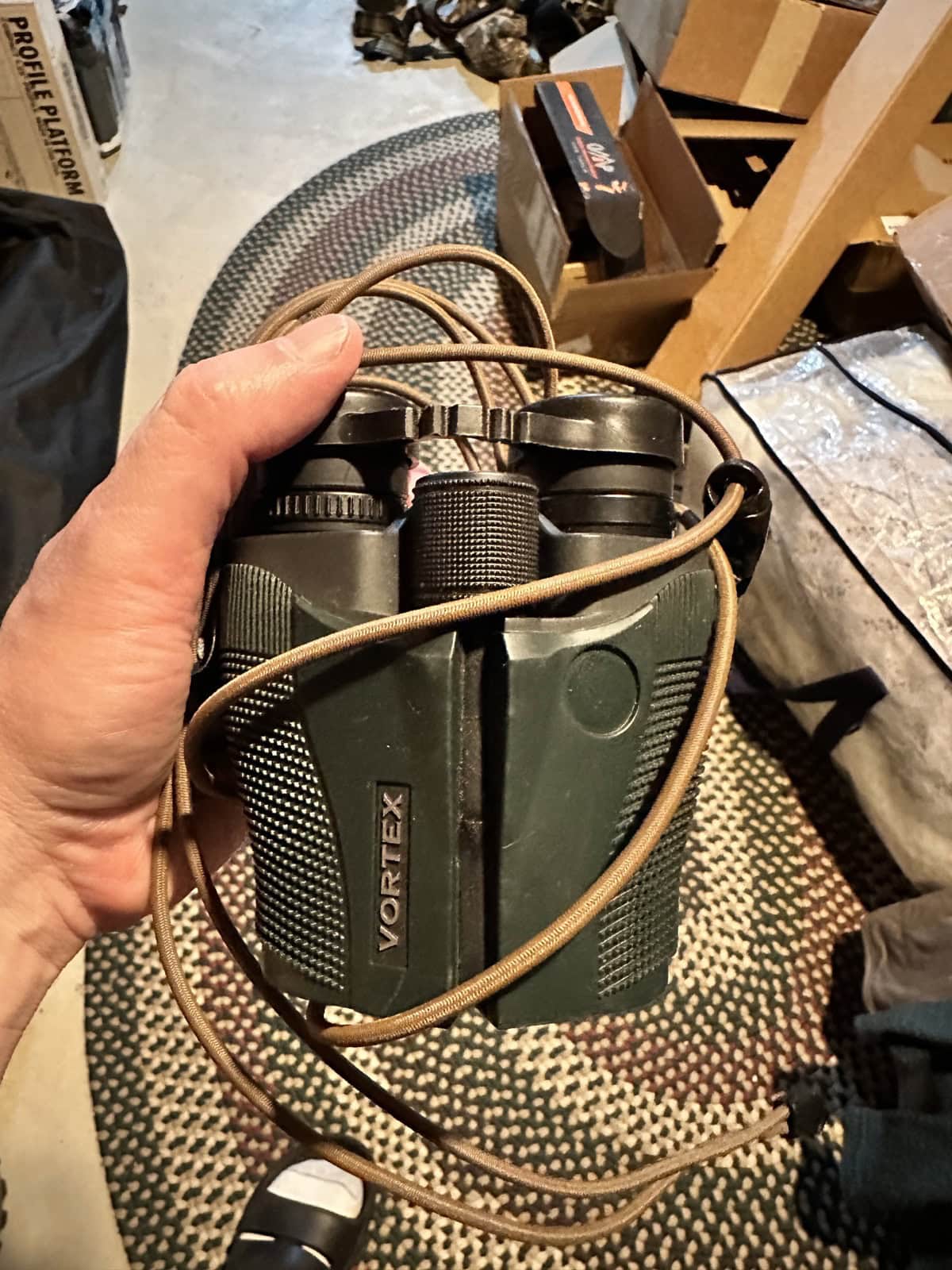
The Vortex Vanquish 10×26 is my normal hardwood binocular. The glass is clear and vivid at the distances I need for bowhunting, and the small body is easy to carry on a Rick Young Outdoors Basic Ultra-light harness. I do not like a large bino pouch on my chest when I am walking or climbing.
I used the Maven M.1 10×42 monocular through much of last season. The optic is excellent. Carrying it in a tree is the problem. I use it more for scouting or hunts where the extra glass matters enough to manage that tradeoff.
Ravin 1200 Rangefinder
The Ravin 1200 has been my primary rangefinder for three years. I have also tested the TIDEWE 700- and 1,000-yard models. Both TIDEWE units reached the distances I needed during my testing and make sense as lower-cost options, but the Ravin remains the one I carry.
PEAX Headlamp With a Battery Backup
The PEAX Backcountry Duo is my primary headlamp. The red light is bright enough that I can use it during the last 200 yards of a dark morning approach and avoid pushing a large white light through the woods. I still carry a Princeton Tec Vizz as a battery-powered backup because a rechargeable light only helps if I remembered to charge it.
Recovery, Field Care, Water, and Medical Gear
The gear after the shot is easy to ignore until the work starts. A Doyle’s Huntin Hoist pulls my bow into the tree. A light chest-harness deer drag stays rolled up at the bottom of my pack. The Havalon Piranta Edge gives me an extremely sharp replaceable blade and includes a tool that helps keep my fingers away from the blade during a change.
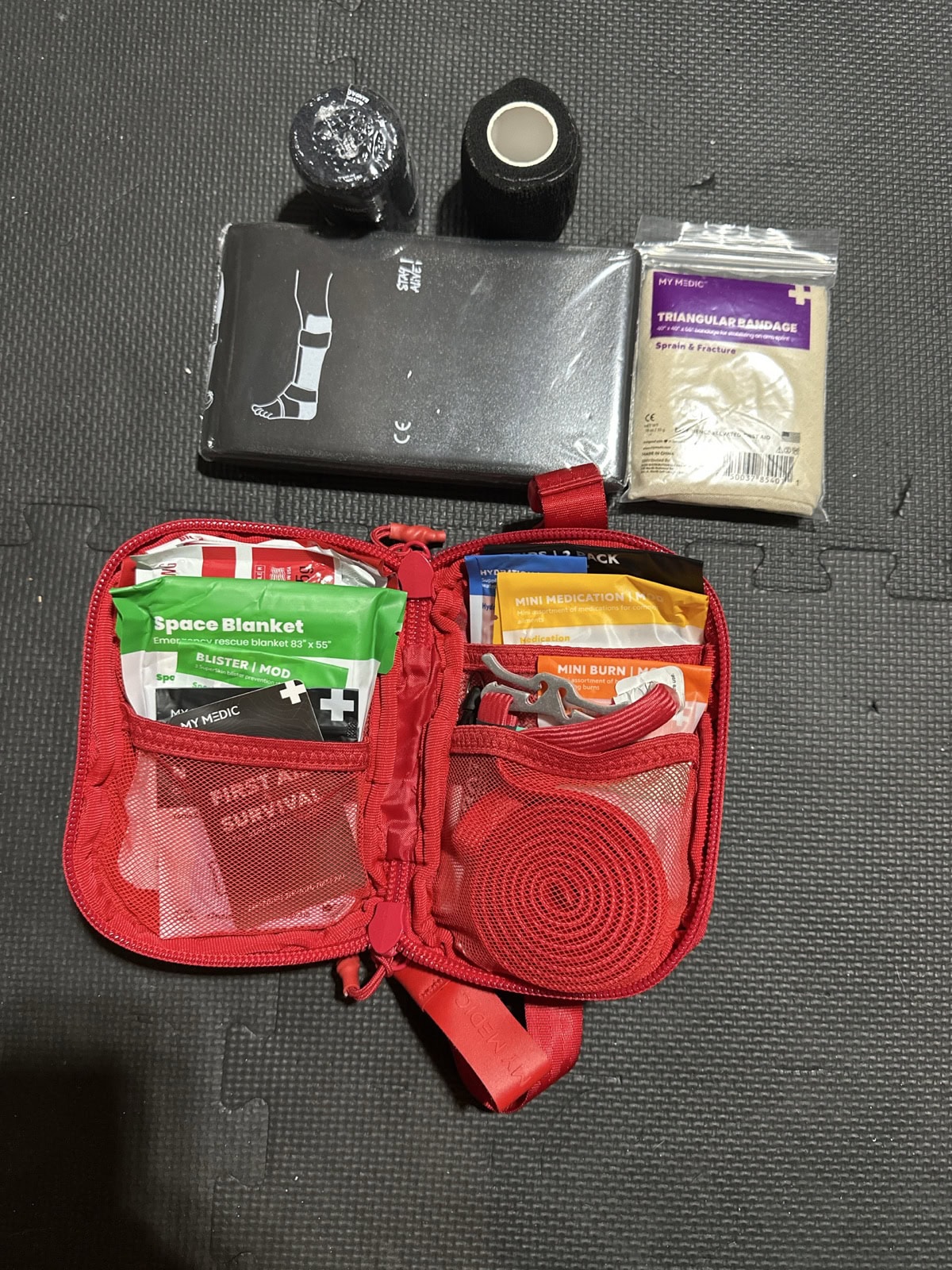
I carry a MyMedic Sidekick, plus a soft splint, gauze, triangular bandage, and tourniquet. I hunt far enough from quick medical help that a basic bandage pouch does not cover the risk. Training matters as much as the kit, so learn how to use the equipment before it rides in your pack.
For remote water, the GRAYL UltraPress has become my first choice. I can press water from shallow mountain sources without needing the same clean, deep collection point I want for the Katadyn BeFree. The GRAYL also works with the hydration packets I use.
What I Would Buy Before Adding More Gear
If your current bow fits and tunes, spend the next dollar on the weak point in the system. That may be arrows that do not match the bow, clothing that leaves you wet after the walk, a pack that makes noise in the tree, or recovery gear you keep meaning to buy.
For treestand hunters, choose the Treehouse 20 when silence and a light day load control the decision. Choose the Pop Up 30 when the same pack may need to leave the stand and haul a deer. Saddle hunters should start with the Ranger 22 when they use the Latitude platform-and-stick system.
Then stop adding gear long enough to hunt with it. The items that keep solving problems will earn their place. The rest will end up back in the gear room with mine.
See every item and where I carry it: My 2026 bow hunting gear list has the complete current loadout, including the small equipment that would make this buying guide too long.
Want to see exactly what I’m carrying this season? Check out my Personal Bowhunting Gear List for 2026