
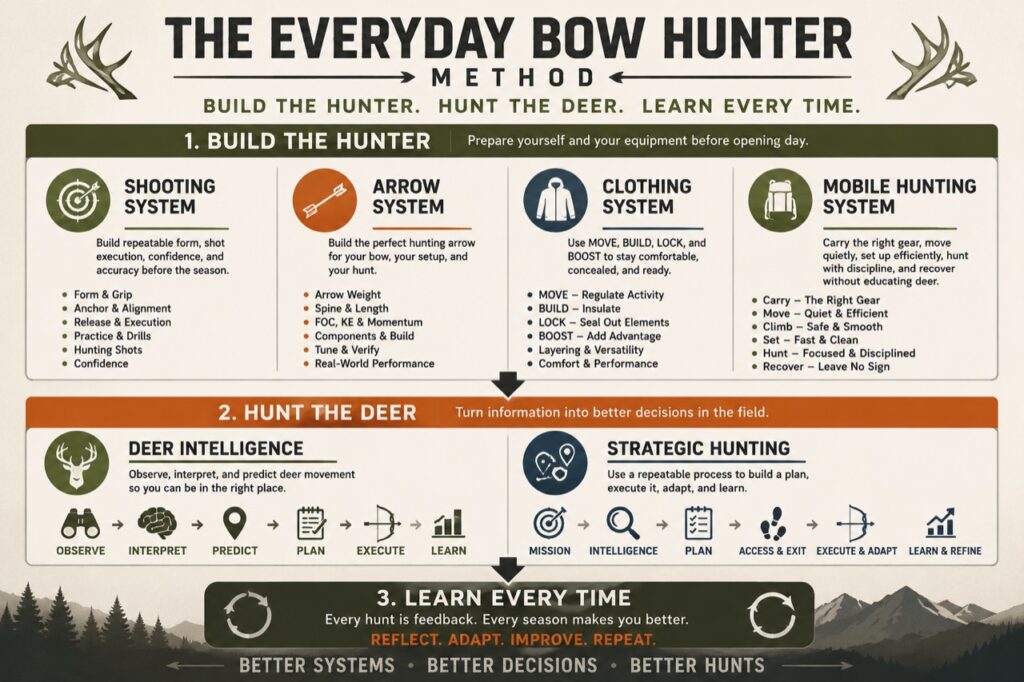
MIKE’S RULES
I have never believed one trick, one tactic, or one piece of gear makes someone a better bowhunter. Most hunts come down to a pile of small decisions. Get enough of them right and they begin to work together. Make one bad decision at the wrong time and it can erase almost everything you did before it.
That is what I mean when I say the devil is in the details. Your bow has to fit you. Your arrow has to work with the bow. Your access, wind, scent, clothing, movement, shot, and recovery plan all have to support the same hunt. None of them guarantees success. Each one can help create an opportunity or help ruin it.
Scent control is an amplifier, and so is almost everything else we do. Quiet clothing will not overcome a bad wind. A great arrow will not fix a poor shot. Good camouflage will not save careless movement. The best stand location will not matter if your access alerts the deer before you get there.
Mike’s Rules are the principles behind the complete Everyday Bow Hunter system: Build the Hunter. Hunt the Deer. Learn Every Time. Before you can hunt the deer effectively, you have to build a hunter and an equipment system you understand and can control.
Build the Hunter: Rules Behind the Equipment
A good hunt starts with equipment you understand and can control. I do not build a bow or arrow around one impressive number. Every part must work with the hunter, the terrain, the shot, and the rest of the system.
Your Bow Must Fit the Hunter and the Hunt
I would rather draw a bow smoothly in a tree, settle into the back wall, and make a controlled shot than chase a few extra feet per second. Draw length, draw weight, let-off, axle-to-axle length, grip, and the complete accessory setup should support the way you actually hunt. My complete whitetail bow setup shows how I make those decisions.
Level the Complete Sight System
A sight is not ready just because the arrows hit the middle on level ground. The first, second, and third axes must be checked so the bubble and sight remain true on steep or uneven shots. This matters even more for treestand and mountain bowhunters. Use the Shooting System and my guide to leveling all three bow-sight axes.
Build the Arrow From the Finished Goal Backward
Do not pick a shaft and hope the finished arrow works. Start with the bow, hunting goal, finished weight range, broadhead, desired FOC, and cut length. Then choose a shaft and compatible components that can produce that result. The Everyday Arrow System follows this order.
Dynamic Spine Is Part of the Build
A manufacturer’s static-spine chart is a starting point. Shaft length, point weight, insert weight, draw weight, and the energy of the bow change how the arrow reacts when it is shot. If you add weight to the front, you may need a stiffer shaft. That is why I check the complete plan with the Dynamic Spine Calculator instead of treating the number printed on the shaft as the final answer.
Build and Verify One Arrow Before the Full Batch
Do not cut, glue, or complete a full batch until one finished test arrow has been measured, weighed, tuned, and verified from your bow. Confirm the final weight, FOC, dynamic spine, component fit, field-point flight, and broadhead flight first. One test arrow can expose a bad assumption before it becomes a dozen expensive mistakes.
Every Layer and Piece of Mobile Gear Needs a Job
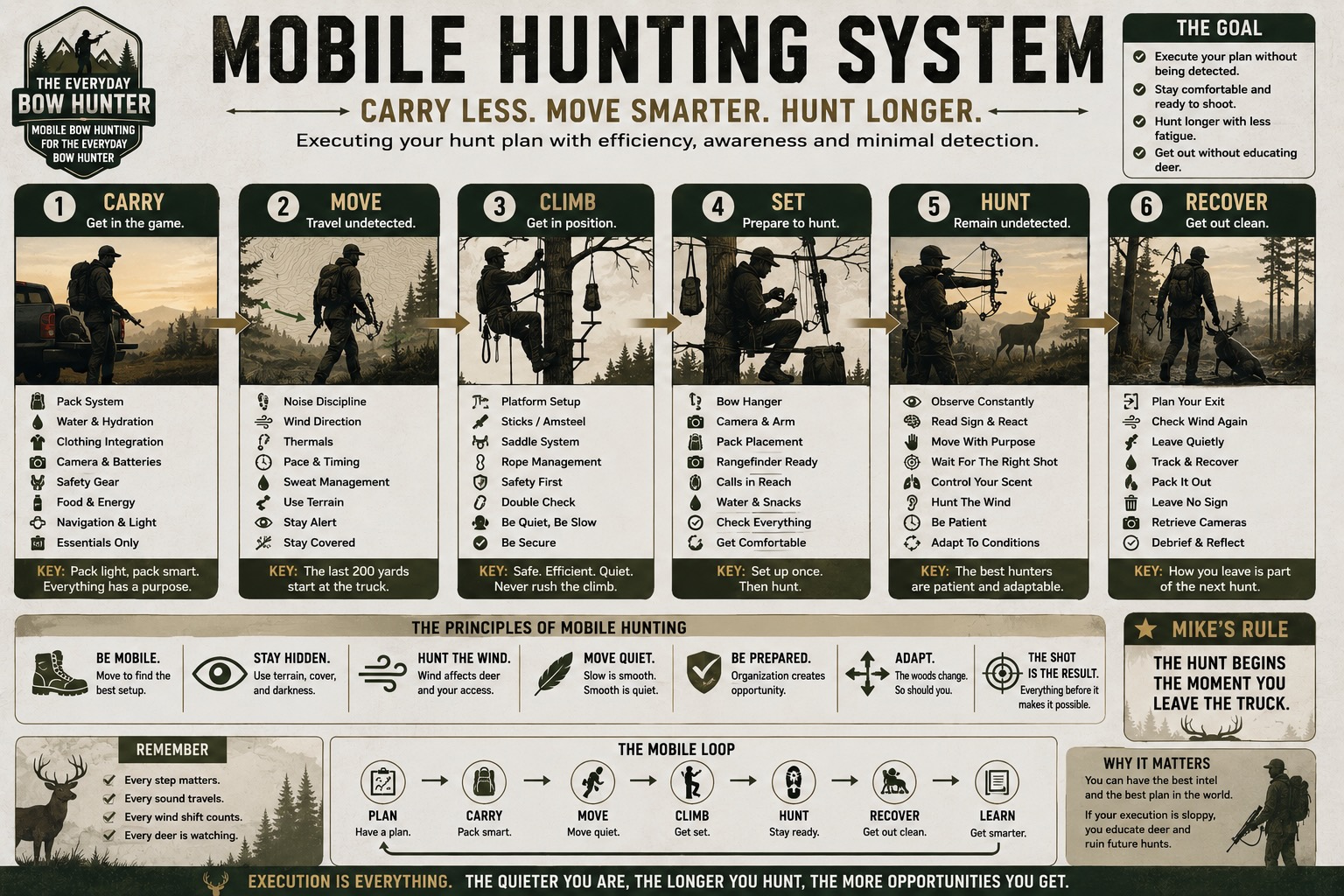
Clothing should support MOVE, BUILD, BOOST, or LOCK. Mobile equipment should work through Carry, Move, Climb, Set, Hunt, and Recover. Gear earns a place by solving a real problem without creating a worse one somewhere else.
Hunt the Deer: 15 Field Rules at a Glance
- Small advantages compound.
- One bad decision can erase ten good ones.
- The hunt starts before you reach the tree.
- Inside the final 200 yards, every move matters.
- Verify conditions; never hunt an assumption.
- Scent control is an amplifier.
- Never silhouette yourself; know your backdrop.
- Preparation gives you time back.
- Practice the exact system you will hunt with.
- Gear must solve a real problem.
- Hunt the sign, not the spot.
- Control what you can; always have a pivot.
- Own the low-light window.
- Move when the deer cannot see you.
- Draw before the window closes.
1. Small Advantages Compound
No single detail makes a bowhunter invisible. The goal is to remove as many ways as possible for a deer to detect you.
A good access route keeps your scent away from deer. Quiet clothing reduces noise when you draw. Camouflage breaks up your outline. A solid backdrop helps hide movement. Practicing from your actual hunting position makes the shot more familiar. Each advantage may be small, but together they can change the outcome.
This is also why I do not look for one product, tactic, or scent-control step to solve everything. Bowhunting success is usually built through a complete system in which the parts support one another. The Everyday Bow Hunter Roadmap shows how those systems connect.
2. One Bad Decision Can Erase Ten Good Ones
You can choose the right stand, wait for the right wind, control your scent, and enter quietly. Then one careless climb down can alert the deer you were trying to hunt.
The same thing can happen when you move at the wrong time, rush a shot, cross a trail, or let your wind reach a bedding area. The deer does not give you credit for everything you did right before the mistake.
This is not a reason to hunt scared. It is a reminder to stay focused through the entire hunt. Your exit deserves the same attention as your entry, and the final minutes deserve the same discipline as the first. The Mobile Hunting System carries that discipline from the first step in to the final step out.
3. The Hunt Starts Before You Reach the Tree
Your stand is only the place where you hope to get a shot. Your access is the strategy that gives the stand a chance to work.
I plan an entry route around bedding, feeding areas, deer trails, terrain, wind, thermals, noise, and available cover. The best hunting wind is not always the best access wind. A stand may be perfect once you are in it but almost impossible to reach without alerting deer. Kill Zone Mapping Part 1 explains how I evaluate terrain and access before committing to the location.
If you cannot get in and out cleanly, the location is not as good as it looks on a map. My complete guide to access and exit for bowhunters explains how I build those routes.
4. Inside the Final 200 Yards, Every Move Matters
The closer you get to your hunting location, the smaller your margin for error becomes. This is where I slow down.
I use terrain and vegetation to hide movement, avoid deer trails, and watch the wind in real time. I want every buckle, climbing stick, and loose piece of equipment secured before I enter that zone. I do not want to discover a noisy problem beside the tree.
If I need a light inside the final 200 yards, I switch to red. I do not use a white light around the tree unless I need it for safety. I am trying to minimize my signature the same way I control noise, scent, and movement. A bright white beam moving through the woods is not helping a quiet approach.
My primary headlamp is rechargeable. I still carry a battery-powered headlamp as a backup. Red light helps me keep a lower profile. The backup gives me another option if the main light dies.
The final approach is where a good plan becomes an actual hunt. Read The Last 200 Yards for the complete process.
5. Verify Conditions; Never Hunt an Assumption
A forecast is useful, but it is not the air moving past your stand. Terrain, sunlight, cooling temperatures, vegetation, and nearby water can change what the wind and thermals do at a specific location.
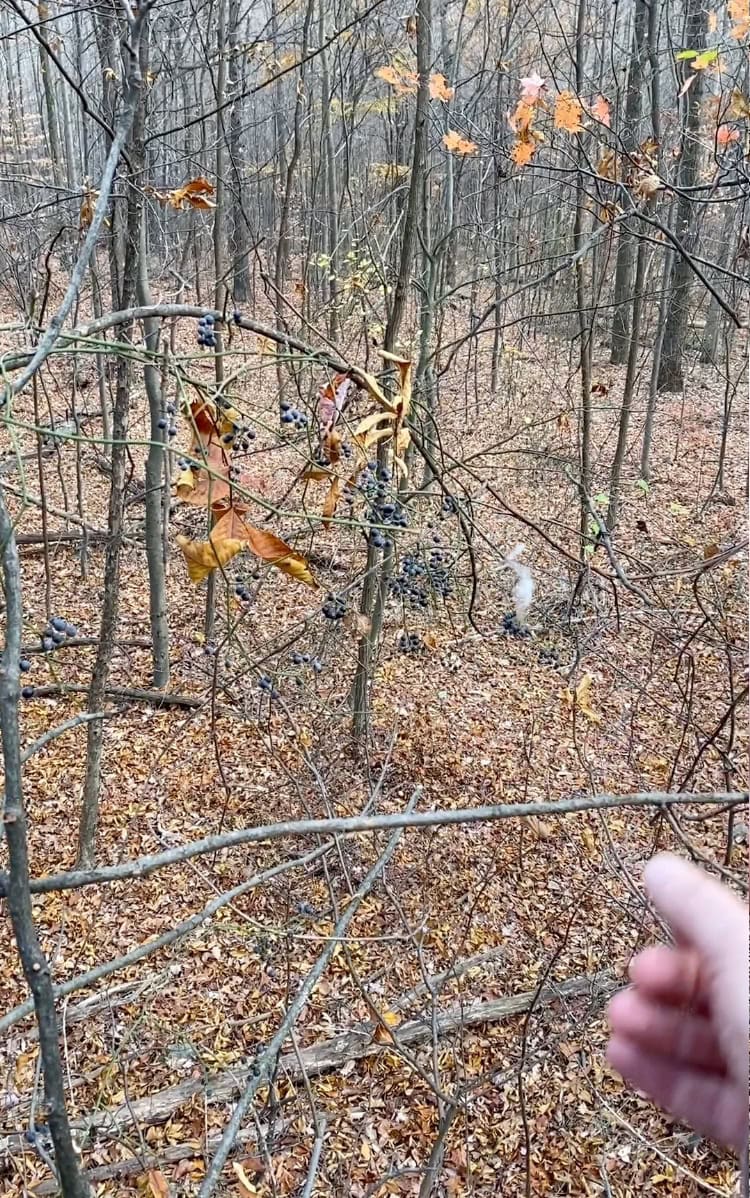
I use milkweed or another wind indicator during the approach and from the stand. I want to see where my scent is actually traveling. If the thermals are unstable or the wind begins reaching an area I am trying to protect, I make a decision based on what is happening, not what the forecast said would happen.
That may mean changing the route, delaying the entry, moving, or ending the hunt. My guide to timing thermals for bowhunting explains why the clock alone is not enough. The 3 Hunt Plan gives you a prepared pivot when the conditions do not support your first choice.
6. Scent Control Is an Amplifier
I do not believe scent-control clothing, sprays, or routines allow us to ignore the wind. A deer’s nose is too good for that.
I use scent control because it can reduce how much odor I carry into the woods and leave behind. That may buy a little forgiveness when conditions shift, a deer crosses an access route, or the air does something unexpected. It supports a good wind plan; it does not replace one.
That is what I mean by an amplifier. It strengthens the rest of the system. You can learn more in my guide to how deer smell hunters, my complete scent-control routine, and the role clothing plays inside the Everyday Bow Hunter Clothing System.
7. Never Silhouette Yourself; Know Your Backdrop
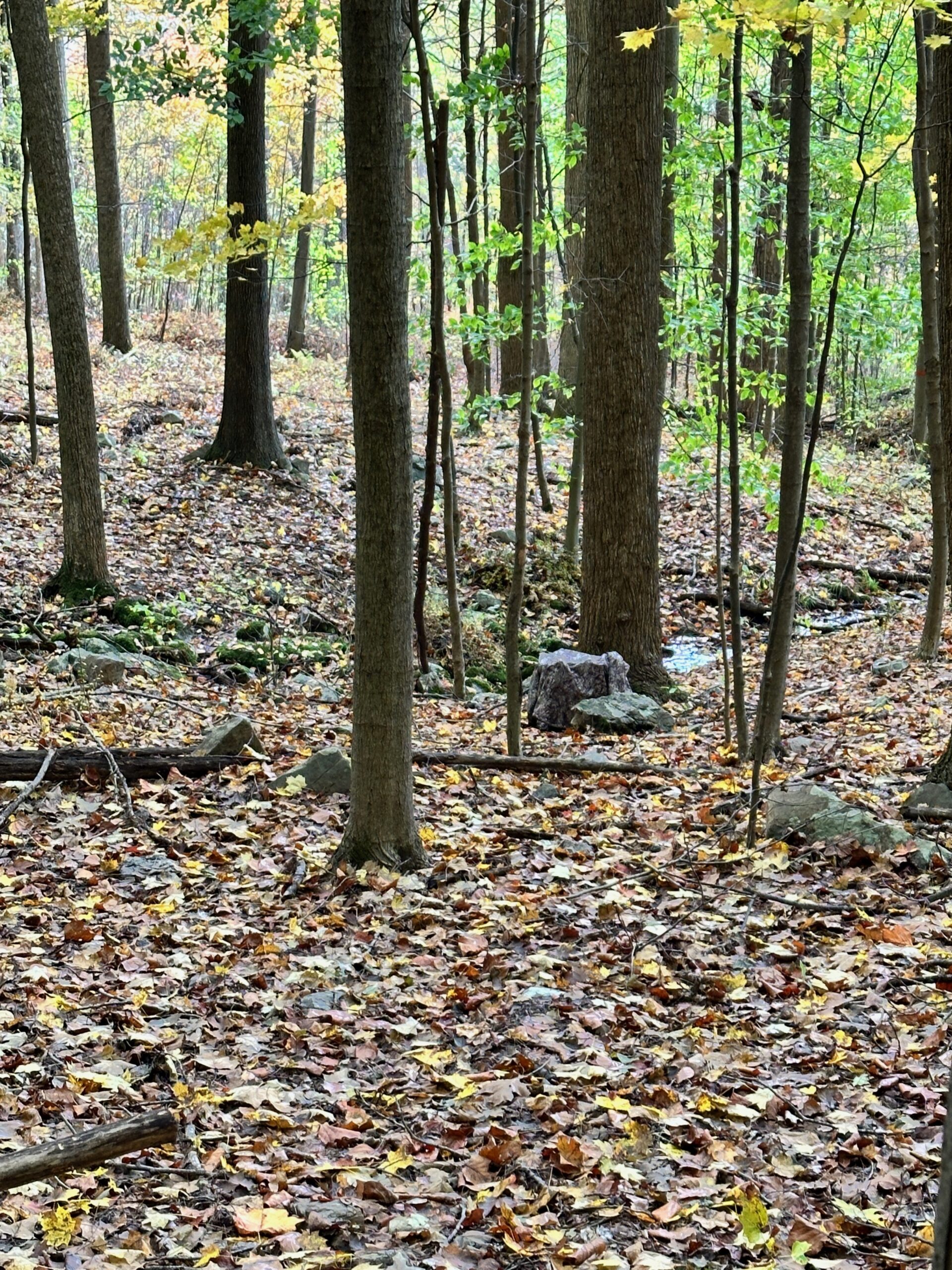
Camouflage works best when it has something behind it. If you place your body against open sky, a bare field, or another bright opening, you create a human-shaped outline that is easy to see.
I look for trunks, branches, leaves, shadows, and terrain that break up my shape from the direction I expect deer to travel. I also think about how that backdrop changes as the sun moves or leaves fall.
The goal is not to disappear. It is to reduce contrast and hide the small movements required to range, turn, lift the bow, and draw. That is one reason I judge the best camo for deer hunting by how well it works in a real setting, not how it looks in a product photo.
8. Preparation Gives You Time Back
Bowhunting opportunities develop quickly. Preparation gives you more time to respond because fewer decisions and movements have to be made after a deer appears.
Before the hunt, I know where my rangefinder, release, grunt tube, phone, and other important gear will be. In the tree, I range likely shooting lanes and identify where I can draw without being seen. I check my bow, arrows, broadheads, clothing, climbing equipment, and light before I leave home.
Preparation also covers what happens when a hunt goes wrong. On hunts farther from the truck, I carry a real compass and enough first-aid equipment to deal with a serious injury while I wait for help. I cannot assume my phone, GPS, or emergency response will solve the problem fast once I am deep in the woods.
The farther I go, the more thought I give to navigation, medical preparation, and how I will get out. Those items may never help me kill a deer. They can help me get home.
Preparation does not make the deer predictable. It makes you more ready when the deer does something unexpected. Many of the problems I cover in common bowhunting mistakes can be reduced before the hunt begins. The Hunt Plan Builder helps turn that preparation into a repeatable field plan.
9. Practice the Exact System You Will Hunt With
Standing on level ground in a T-shirt is not the same as shooting from a saddle, treestand, or blind while wearing cold-weather clothing.
I practice from the positions and angles I expect to encounter. I shoot while wearing the layers I plan to hunt in. If I use a saddle, platform, climbing sticks, or a specific pack setup, I practice the complete climbing and shooting process before the season.
This exposes interference, noise, limited movement, poor anchor points, and equipment problems while there is still time to fix them. Use the Everyday Bow Hunter Shooting System to build repeatable shot execution and the Mobile Hunting System to practice the complete carry, climb, setup, hunt, and recovery sequence. Your system should feel familiar before you use it around a deer.
10. Gear Must Solve a Real Problem
I like good hunting gear, but new gear is not automatically an upgrade.
A product earns a place in my system when it solves a real problem. It may keep me warmer without stopping my draw, carry a saddle platform more securely, reduce noise, handle brush, improve organization, or make a difficult access route more practical.
If the gear I already own performs the job, I would rather use it than replace it for a small or unclear benefit. This is also how I evaluate equipment for the Everyday Bow Hunter Clothing System: by the job it performs inside a complete build, not by a logo or marketing claim. The Gear Hub organizes those field-tested decisions, and my current gear list shows what has earned a place in my setup.
11. Hunt the Sign, Not the Spot: Hot Sign Still Requires a Kill Plan
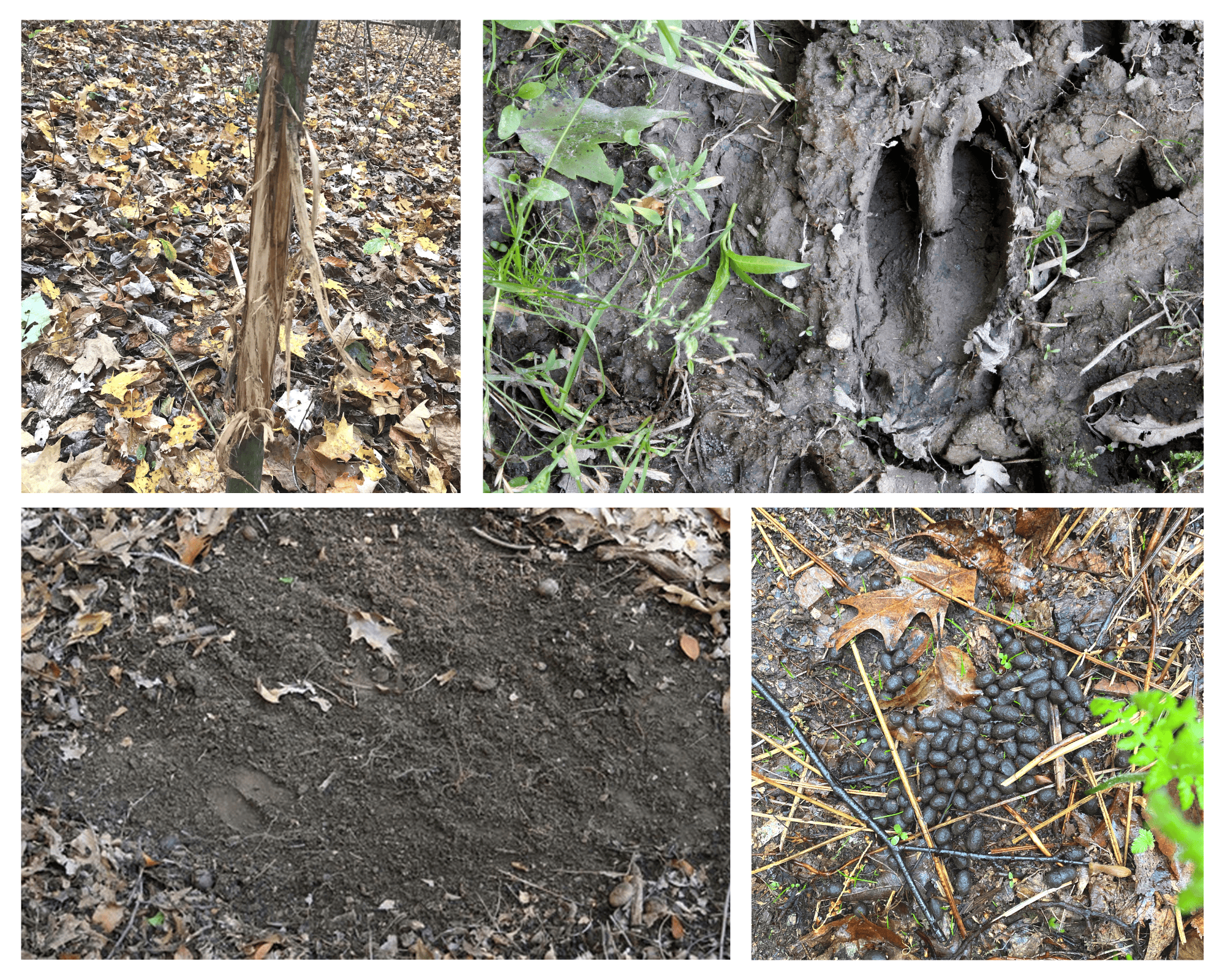
Hunt the sign, not the spot. Historical knowledge matters, but it cannot replace what the woods are telling you now. Fresh rubs, scrapes, tracks, and droppings prove that deer have used an area. They do not tell you when the deer will return, which direction it will approach, or whether you can hunt the location without being detected.
Before I commit to a setup, I look for the full kill plan: likely bedding and feeding direction, wind and thermal behavior, entry and exit, available cover, shooting lanes, timing, and the effect my pressure will have on the area. The Kill Zone Mapping System helps organize those layers before a location becomes one of your planned hunts.
Sometimes the best decision is to back out. If the sign is hot but the wind, access, timing, or cover is wrong, forcing the setup may educate the deer and damage the next opportunity. Use my guide to hunting hot sign and the Kill Zone Mapping guide before rushing to hang a stand.
12. Control What You Can; Always Have a Pivot
You cannot control a deer’s exact route, a sudden wind shift, another hunter, changing food sources, or every sound in the woods. You can control your preparation, pressure, access plan, gear, movement, shot selection, and response when conditions change.
This is why I build a 3 Hunt Plan. Hunt 1 is the best planned opportunity. Hunt 2 gives me a prepared alternative when the wind, thermals, pressure, access, or current sign do not support Hunt 1. Hunt 3 is Wait/Observe or a still hunt. It gives me a productive decision without forcing a bad setup.
An observation hunt can verify movement for a better wind day. A still hunt can become a scout-to-hunt, but it can also uncover hot sign that tells me to back out and plan the next hunt. A plan should guide the hunt without trapping you inside an assumption. That is the center of Strategic Hunting and the art of adaptability.
13. Own the Low-Light Window
Deer often move best in the transition between daylight and darkness. Their eyes are built to perform well in low light, which gives them an advantage when many hunters are still getting settled or are already preparing to leave. Understanding deer movement patterns helps you plan around that window instead of treating it as an afterthought.
Deer are also good at detecting movement, and low light does not make careless movement disappear. My guide to deer vision, movement, and low light explains what they see and why movement timing still matters.
For a morning hunt, I want to be in position and settled at least 30 minutes before legal shooting light whenever the access plan allows it. For an evening hunt, I plan to remain ready through the end of legal shooting light rather than mentally ending the hunt early.
Legal shooting times, safe target identification, and local regulations always come first. The point is to be prepared during the entire legal opportunity. That is not the time to be climbing, packing, checking your phone, or letting your attention drift when deer are most likely to appear.
14. Move When the Deer Cannot See You
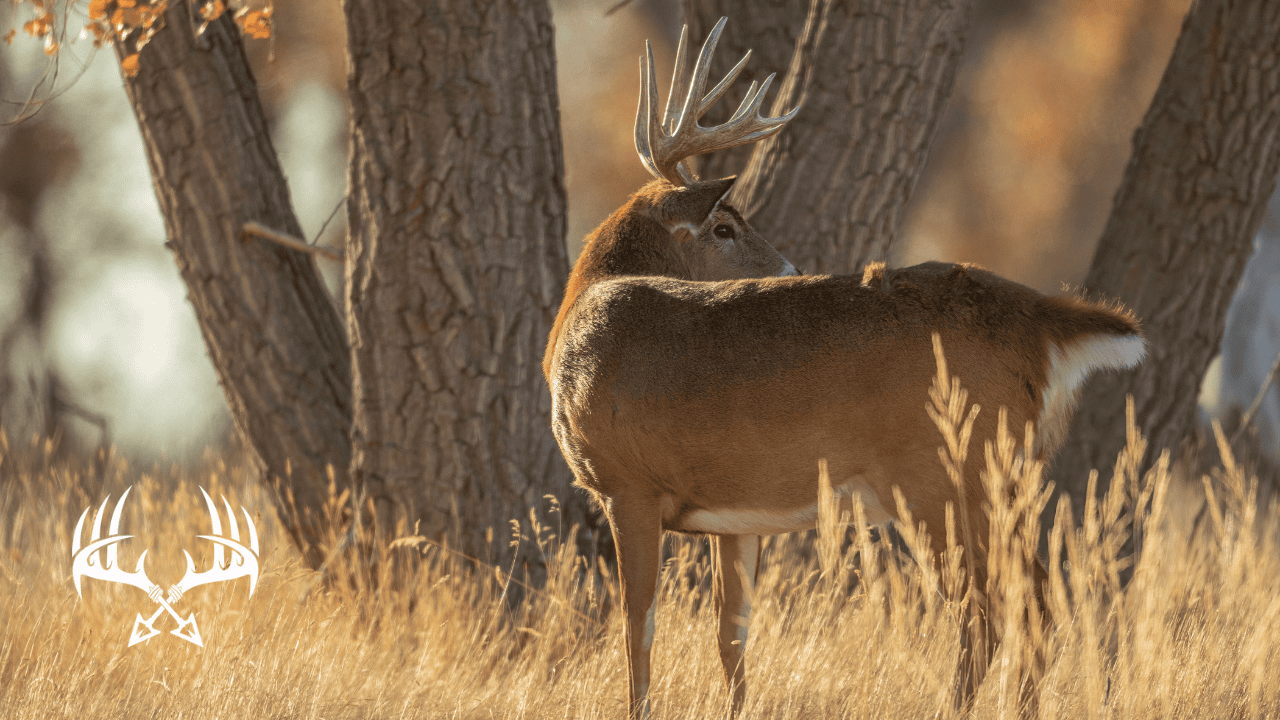
When I see a deer, or believe an opportunity is beginning to develop, I want the bow in my hand as soon as I get a safe window to move.
That window might come while the deer’s head passes behind a tree, while it looks away, or while terrain blocks its view. I would rather make a controlled movement then than wait until the deer is in the open and staring in my direction.
This requires knowing the cover, shooting lanes, and likely approach before the deer arrives. Fast movement is not the goal. Timed movement is. The repeatable setup and shot preparation inside the Shooting System reduce the number of decisions you must make after the opportunity begins.
15. Draw Before the Window Closes
Shot opportunities are often shorter than they appear. A deer can take two steps, change direction, or look toward you before you are ready.
If I have a safe chance to draw without being seen and the deer is approaching a likely shooting lane, I would rather draw early and hold than wait until the last second. That only works if the distance, angle, target identification, and conditions are safe. You also have to practice holding at full draw without losing control of the shot.
Do not force a marginal shot because you drew early. Let down if the opportunity disappears or your form begins to fail. The rule is about preparing while you have a window, not turning a poor opportunity into a bad decision. Beginners should first build consistent form, anchor, and shot control with my guide to shooting a compound bow.
Recover and Learn: The Hunt Continues After the Shot
The release of the arrow changes the job, but it does not end it. Recovery, respect for the animal, meat care, cleanup, and learning are part of the same system.
Watch. Listen. Mark. Reload. Wait.
This is my immediate-action rule after the shot. Watch the deer as long as possible. Listen after it disappears. Mark where you were, where the deer stood, and where you last saw it. Reload in case a safe second shot becomes available. Then wait and make the next decision from evidence instead of excitement. My After the Shot guide explains the complete recovery process.
The Hunt Is Not Over at Impact
The hunt is over when you have made every reasonable effort to recover the deer, handled the animal with respect, cared for the meat, removed your tape and trash, cleaned your equipment, and learned from what happened. A difficult recovery deserves the same discipline as the shot.
Every Hunt Produces Intelligence
I review the wind, access, deer reaction, shot angle, actual hit, arrow performance, waiting time, recovery route, and anything else that can improve the next decision. Success and failure both provide useful information when you are honest about what happened. That is how the Deer Intelligence System and the Everyday Bow Hunter Roadmap close the loop.
The Details Create the Opportunity
Bowhunting has too many variables for any rule to guarantee success. That is part of what makes it difficult and rewarding.
The goal is to control the details that can be controlled, recognize when conditions have changed, and make better decisions without pretending we can remove every risk. A fitted bow, verified arrow, level sight, clean access route, good wind, quiet clothing, practiced shot, well-timed draw, and disciplined recovery may each provide only a small advantage. Sometimes those small advantages are the entire difference.
That is the philosophy behind Mike’s Rules and the Everyday Bow Hunter Intelligence Engine. Build a complete system. Understand why each part matters. Then use the Deer Intelligence System to carry what you learned into the next hunt.
Frequently Asked Questions
How do I become a better bowhunter?
Improve one part of your system at a time. Start with bow fit, arrow verification, access, wind, shooting practice, and preparation because those areas affect almost every hunt. Afterward, review the shot and recovery, identify the decision or detail that mattered most, and make one specific adjustment before the next hunt. If you are not sure where to begin, follow the Everyday Bow Hunter Roadmap.
What is the most important rule in bowhunting?
Wind and access usually deserve the most attention because a deer that smells or hears you before you arrive may never offer an opportunity. However, bowhunting works as a system. A good wind cannot fix an unsafe shot, poor preparation, or movement at the wrong time.
Does better hunting gear make you a better hunter?
Better gear can help when it solves a specific problem, such as staying warm, reducing noise, improving access, or carrying equipment more efficiently. It cannot replace woodsmanship, shooting practice, or sound decisions. Use what you own until a meaningful upgrade improves the system.
How early should I be in my stand for a morning hunt?
I prefer to be in position and settled at least 30 minutes before legal shooting light, provided the route and conditions allow a clean, safe entry. The correct timing depends on deer movement, access difficulty, thermals, local regulations, and whether an early entry risks alerting deer near the stand.
CONTINUE THE EVERYDAY BOW HUNTER SYSTEM
Your Next Step
These rules provide the philosophy. Use the system below to turn that philosophy into decisions you can repeat before, during, and after every hunt.
Start With the Roadmap
See how shooting, arrows, clothing, mobile hunting, deer intelligence, and strategic hunting work together.
Build the Hunt
Use Deer Intelligence and Kill Zone Mapping to turn sign, terrain, pressure, access, wind, and timing into a huntable plan.
Prepare the Pivot
Build Hunt 1, Hunt 2, and a Wait/Observe or still-hunt option before changing conditions force the decision.
Execution matters too: Use the Mobile Hunting System to carry, move, climb, set, hunt, and recover without turning good planning into unnecessary pressure.
Finish the hunt: Use After the Shot to evaluate the hit, protect the trail, recover the deer, care for the meat, and learn from the result.
Want to see exactly what I’m carrying this season? Check out my Personal Bowhunting Gear List for 2026