

The Early October Reality
The first week of October looks calm in the deer woods, but there’s more going on than most hunters realize. Mature bucks are still running their summer patterns, feeding, bedding, and moving on a predictable schedule, but they’re doing it in tighter windows and closer to cover.
If you hunt hill country or the big woods of the Northeast, this week can be your quiet window before hunting pressure changes everything. It’s when the best hunters start moving in, and the rest of the woods are still sleeping.
I’ve spent years studying collared buck data and watching how deer behave through this exact transition. What happens in the first ten days of October often sets the tone for the rest of the month.
What the Deer Are Doing This Week
Trying to choose a cold-weather hunting jacket? I tested 12 jackets for warmth, quietness, mobility, weather protection, and value. See the full benchmark and find the jacket that fits the way you hunt.
Deer Study Insight:
GPS-collared buck data from Pennsylvania and New York show that in the first week of October, mature bucks are still operating within about 60–80 acres of their summer core. Their daylight range is narrow, averaging less than 200 yards from bedding.
In simple terms: bucks haven’t shifted to full fall ranges yet, but they’re starting to test their boundaries. You’ll see:
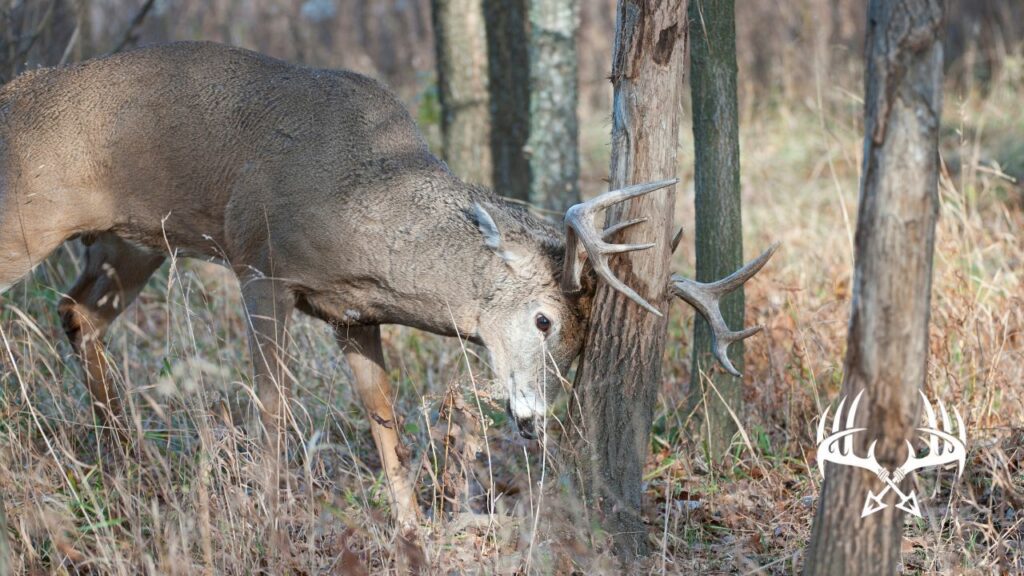
- Small rub clusters appearing near summer bedding.
- Light scrape activity on edges.
- Feeding patterns tightening as daylight shortens.
If you pressure these areas too early, you’ll likely push those deer into nocturnal patterns or cause a range shift before the rut even starts.
Where to Scout
Early October scouting isn’t about miles walked, it’s about precision. Focus on confirming sign, not exploring new ground.
Look for:
- Transition edges between summer food and cover.
- Low-pressure feeding areas such as secluded clover, greenbrier, or soft mast pockets.
- Edge rubs that connect bedding cover to early-season browse.
- Fresh tracks in damp soil or dew-covered trails in the first two hours of daylight.
Trail cameras can still do some work for you here. Place them on trails coming out of known bedding points or benches, ideally on the downwind edge of travel corridors. You want to catch those daylight edges before they tighten.
How to Hunt It
This is the week for low-impact, high-reward sits.
Deer aren’t yet reacting to pressure, and thermals are predictable if you plan your access right.
Evening sits are most productive right now. Focus on:
- Downwind of primary bedding on leeward ridge points.
- Benches with soft mast or early acorn drop.
- Narrow transitions between bedding and feed.
Keep your access routes clean. If you’re walking ridgelines or cutting across drainages with the wrong wind, you’ll alert the buck you’re trying to pattern. Thermals pull down in the evening, so approach from below when possible.
Morning hunts are risky early in the month unless you’ve patterned a specific deer. Bucks return to bed before shooting light more often than not, and early intrusion can ruin your odds later.
Field Mistakes
Hunters often burn their best early-season spots too soon. The first week isn’t about pushing in deep or getting aggressive. It’s about patience and precision.
Common mistakes include:
- Hunting bedding areas before knowing how thermals shift.
- Setting up too close to food with swirling winds.
- Checking cameras too often instead of hunting smart.
If you’re not sure, scout from a distance and wait for sign to tighten before moving in.
Pro Tips
- Use a red or green light when entering before dawn to reduce your visibility to deer.
- Test wind currents with milkweed or fine powder every 20 yards on approach — hill country wind can flip without warning.
- Bring a quiet setup: fleece outer layers, bow dampeners, and Stealth Strips on your stand or sticks keep you undetected.
- Don’t rush the scrape: Bucks are just beginning to paw the first scrapes, but most are still nocturnal this week. Note them, but don’t hunt over them yet.
Tactical Summary
| Phase | Behavior | Best Setup | Key Tactic |
|---|---|---|---|
| Early October (Oct 1–7) | Tight summer-to-fall transition | Leeward ridge bedding, staging edge | Evening sits with downwind access |
| Pressure Level | Low | Use it to your advantage | Move in quietly and hunt observation stands first |
| Sign to Watch | Edge rubs, light scrapes | Note clusters and direction | Don’t overhunt early bedding corridors |
Take Action
This week, scout with your brain, not your boots. Identify your low-impact entry routes and hang a stand where food, cover, and wind align. If you’re seeing edge rubs and small scrapes near bedding, it’s time for a controlled strike.
Once pressure ramps up in mid-October, those daylight movements will shrink fast. This is your window to capitalize before the shift.
Everyday Bow Hunter Strategy Connection
Want to see how to plan your early-season hunts using collared buck data, terrain funnels, and bedding thermals?
👉 Join the Everyday Bow Hunter Roadmap to get access to the Hunt Plan Builder guides.
CONTINUE THE HUNTING SYSTEM
Your Next Steps
Early October is the first checkpoint in the season. Hunt current conditions, protect your best spots, and keep your options open.
1. Continue to Week 2
Follow the October shift as food, cover, and pressure begin to change.
2. Return to Hunt the Season
See where this phase fits in the season-long plan.
3. Build Today’s Hunt
Turn the wind, access, timing, and available sign into a specific plan.
Part of the Everyday Bow Hunter System
Want to see exactly what I’m carrying this season? Check out my Personal Bowhunting Gear List for 2026