

The Myth of the “October Lull”
Hunters call this the October lull. Science calls it range relocation.
Deer aren’t hiding; they’re adjusting. When acorns drop, crops get cut, and daylight shortens, bucks pull back from summer food and move into their fall core areas, usually steeper, thicker, and closer to secure bedding.
In my own tracking and in GPS-collared data from Penn State’s Deer Forest Study, most mature bucks shift home ranges between October 8 and 14. They’re still active, but they change where they spend daylight. This is the week when the woods feel quiet if you’re looking in the wrong place.
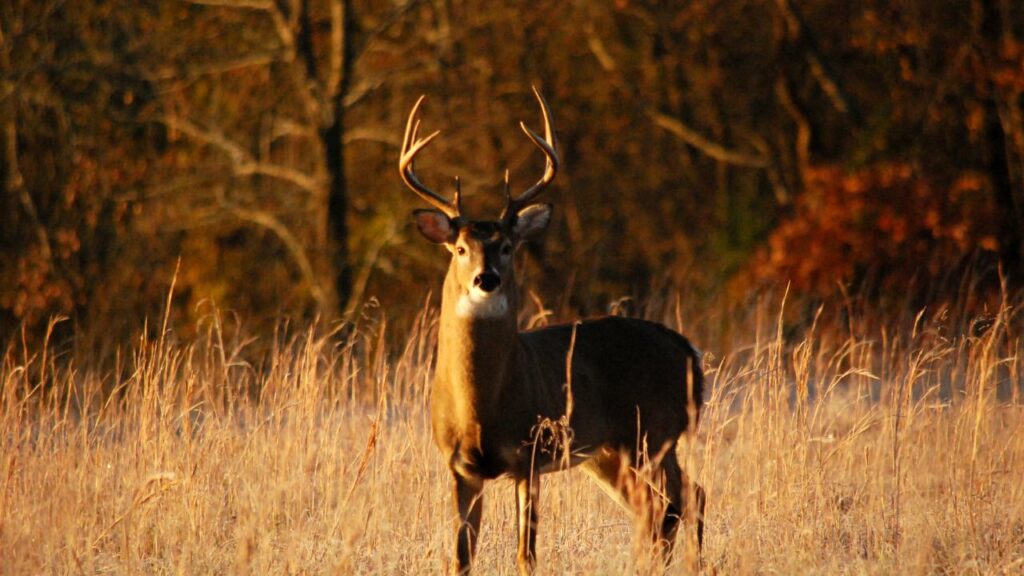
What the Deer Are Doing This Week
Trying to choose a cold-weather hunting jacket? I tested 12 jackets for warmth, quietness, mobility, weather protection, and value. See the full benchmark and find the jacket that fits the way you hunt.
Study Insight:
Average buck movement range increases by 25 percent this week, but daylight activity drops around food sources. Instead, movement consolidates around interior cover, especially ridge points, benches, and leeward slopes that provide security and thermal advantage.
Behavior snapshot:
- Bachelor groups break apart.
- Rub activity spikes in new areas, often near bedding transitions.
- First community scrapes appear but remain mostly nocturnal.
- Bucks feed closer to bedding, especially on fresh acorns or browse pockets.
Pressure begins to matter now. One intrusive hunt near a bedding ridge can shift a mature buck’s daylight movement by several hundred yards overnight.
Where to Scout
This week’s scouting should be surgical, not exploratory. You’re confirming shifts, not discovering new counties.
Key places to check:
- White oak ridges that are starting to rain acorns.
- Benches halfway down leeward slopes where rubs suddenly appear.
- Drainage crossings where tracks emerge from thick cover.
- Transition lines between old growth and new regrowth.
Rub direction is your compass:
If the shiny side of the rub faces downhill, bucks are likely traveling upward toward bedding. If it faces uphill, they’re moving down to feed. Follow that logic to locate the core.
How to Hunt It
The most successful hunters this week move with the shift. Instead of clinging to fading food-source patterns, adjust your stands or saddles to intercept travel corridors between bedding pockets.
Best setups:
- Evenings: Hunt 100–150 yards off bedding, downwind of leeward points or inside corners of cover.
- Mornings: Hunt the top third of ridges with rising thermals that pull scent upward.
- Midday: Use observation sits near scrape lines or terrain funnels to gather intel for later hunts.
When hunting mobile, treat each sit as a recon mission. If you don’t see fresh sign in 24 hours, move. Bucks aren’t stationary anymore, you shouldn’t be either.
Field Mistakes
Many hunters misread the “lull” and take a week off, assuming deer movement has stopped. In reality, they’re hunting empty food plots while the bucks are 400 yards away on an acorn ridge.
Avoid these errors:
- Over-relying on cameras near food sources.
- Ignoring the first fresh rubs inside the woods.
- Walking ridge tops mid-day and spreading scent near bedding.
- Hunting evenings with downhill access that carries scent into your target area.
Pressure during this period teaches bucks exactly where not to move in daylight.
Pro Tips
- Scout mid-day: Thermals are stable and deer are bedded. Slip in quietly to verify fresh sign.
- Map acorn drop zones: Different oak species drop at different times — find which ones are hot in your area.
- Read rub freshness: Bright, wet sap means it’s within 24 hours. That’s actionable intel.
- Don’t chase every scrape: One or two fresh scrapes on a ridge are normal. Focus on clusters that form along terrain features.
- Use terrain for scent control: Ridge folds and side cuts often pull your scent away from the main travel path.
Tactical Summary
| Phase | Behavior | Best Setup | Key Tactic |
|---|---|---|---|
| Oct 8 – 14 | Range relocation & acorn shift | Leeward slopes, benches, oak ridges | Hunt near bedding transitions |
| Pressure Level | Rising | Stay mobile | Scout mid-day and move often |
| Sign to Watch | Fresh rub lines & scrape clusters | Use direction & frequency | Build next-week hunt plan |
Take Action
This is the week to adapt. The hunters who adjust now will be the ones seeing daylight bucks when everyone else is complaining about the lull. Use your map to pinpoint new acorn zones, verify the freshest rub lines, and move your stands accordingly.
If you’re mobile hunting, pack light and strike fast. The deer are shifting, so should you.
Everyday Bow Hunter Strategy Connection
The October Shift is exactly why I use a 3 Hunt Plan. Build a Primary Hunt for the movement you expect, a Pivot Hunt for changed wind or pressure, and a Wait / Observe decision when neither setup is clean.
Use the Hunt Plan Builder to record all three decisions before you leave. Then field-check the wind at home, at the property, and again before final access.
CONTINUE THE HUNTING SYSTEM
Your Next Steps
The October shift rewards hunters who recognize changing food, cover, pressure, and daylight movement before everyone else does.
1. Continue to Week 3
See how the next October phase changes deer movement and hunting pressure.
2. Return to Hunt the Season
Follow the complete seasonal sequence.
3. Use Deer Intelligence
Study the evidence behind movement, bedding, pressure, and timing decisions.
Part of the Everyday Bow Hunter System
Want to see exactly what I’m carrying this season? Check out my Personal Bowhunting Gear List for 2026