

The Mid-October Trap (October 15-21)
Most hunters hit the brakes this week. The woods are quiet, mornings are foggy, and deer seem to have vanished. That’s exactly what the data predicts, but it doesn’t mean bucks stop moving.
After analyzing years of collared buck data from the Northeast, I can tell you this: mid-October is the calm before the chaos. Bucks are repositioning inside their fall ranges, adapting to hunting pressure, and using cover and wind smarter than ever. If you understand that behavior, you can turn this “October Lull” into your most productive scouting and hunting window of the season.
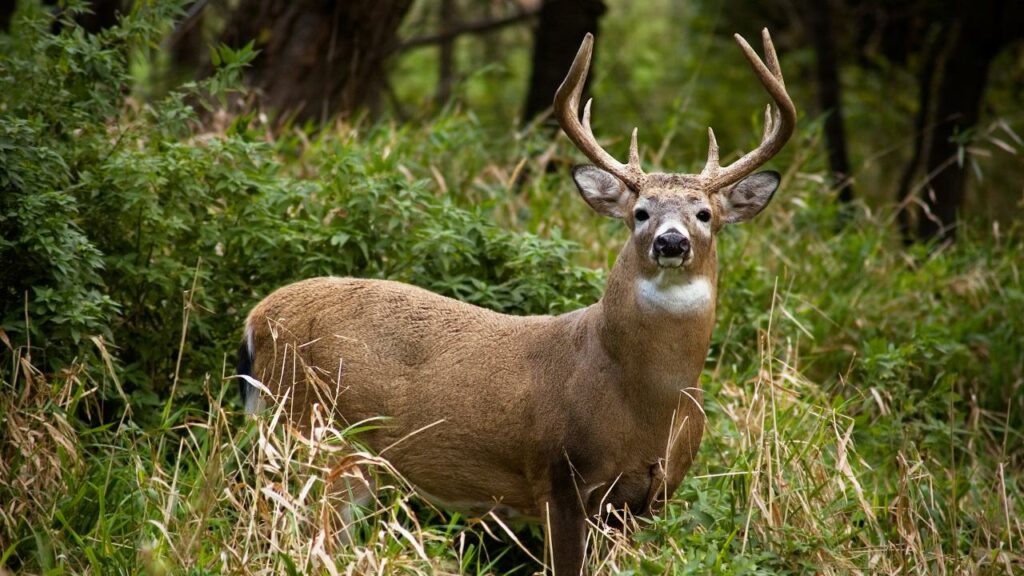
What the Deer Are Doing This Week
Trying to choose a cold-weather hunting jacket? I tested 12 jackets for warmth, quietness, mobility, weather protection, and value. See the full benchmark and find the jacket that fits the way you hunt.
Study Insight:
By October 15–21, mature bucks average 0.8 to 1.2 daylight movements per 24 hours, nearly identical to early October levels. The difference? Those movements happen in thicker cover and during shorter windows.
In other words: they haven’t stopped moving, they’ve just shifted deeper.
You’ll see:
- Rub lines that suddenly appear along ridge sides or bench crossings.
- Bucks staging 50–100 yards inside cover before stepping into openings.
- Occasional mid-day movement when thermals stabilize and pressure drops.
- Scrape systems expanding in sheltered terrain hubs near bedding.
The deer haven’t gone nocturnal, they’ve gone smart.
Where to Scout
This week’s scouting is about refining what you already know.
Focus on:
- Interior scrapes: fresh pawed dirt under licking branches in thick cover.
- Subtle rub lines: parallel the top third of leeward slopes, connecting bedding points.
- Thermal hubs: where multiple drainages converge and scent currents swirl mid-day.
- Secondary bedding: benches or side ridges that bucks use to avoid pressure.
If you’re finding rubs that look wet and sappy, that’s active. Bucks are laying those lines down during daylight, even if it’s brief.
A lightweight hang-and-hunt or saddle setup gives you the freedom to adjust daily. Don’t be afraid to make micro moves, 50 yards can be the difference between nothing and a shot opportunity.
How to Hunt It
This is where discipline beats luck.
Evening Hunts
- Set up just outside bedding, ideally downwind of rub lines that connect to fresh scrapes.
- Use rising thermals to your advantage and slip in from below when possible.
- Bucks often check these zones between 5:30 and 6:30 PM as they scent-monitor their area before dark.
Morning Hunts
- Hunt bedding only if you know the entry route and wind perfectly.
- Thermals pull down early, so approach from below and stay tight to terrain.
- Prioritize first cold fronts, that’s when bucks stretch daylight legs.
Mid-Day Intel
When temperatures drop and the woods are quiet, climb a ridge, glass transitions, and listen. You’ll sometimes hear soft grunts or see movement between beds when thermals shift. Those subtle observations are gold for planning Week 4.
Field Mistakes
Most hunters make the same errors right now:
- They stay out entirely, missing a prime low-pressure window.
- They move stands too far, abandoning productive travel zones.
- They hunt food plots that bucks stopped visiting two weeks ago.
- They overlook midday sign, assuming deer only move at dawn or dusk.
The result is simple — they give up before the best part of October even starts.
Pro Tips
- Scout while you hunt (Use the 80/20 Rule): set up close to sign and use your entry to learn something new each time.
- Hunt cold fronts: even a 10-degree temperature drop can spike daylight activity.
- Use minimal scent control: ozone-treated clothing aired out 30 minutes before your hunt helps minimize your ground signature.
- Keep cameras deep: move trail cameras off food sources and onto interior travel corridors.
- Stay adaptable: if you’re not seeing fresh rubs within 48 hours, relocate. Deer are mobile, you should be too.
Tactical Summary
| Phase | Behavior | Best Setup | Key Tactic |
|---|---|---|---|
| Oct 15–21 | Mid-October bedding & staging | Ridge benches, rub lines, scrapes near cover | Hunt evenings & cold fronts |
| Pressure Level | Medium | Use mobile access | Scout while hunting |
| Sign to Watch | Rub lines, interior scrapes | Track freshness & direction | Adjust 50–100 yards as needed |
Take Action
The so-called October lull is a lie. Bucks are active, just not where they were two weeks ago. Stay mobile, hunt the freshest sign you can find, and capitalize on the calm before Scrape Week.
Every observation you make this week sets up your success in Week 4. You’re not just hunting now, you’re building the intel for the most productive stretch of the season.
Everyday Bow Hunter Strategy Connection
Inside the Everyday Bow Hunter Roadmap, I break down how to identify secondary bedding and use wind mapping to pinpoint daylight travel corridors between October 15–21.
👉 Join the Everyday Bow Hunter Roadmap for access to the Hunt Plan Builder and 3 Hunt Plan.
CONTINUE THE HUNTING SYSTEM
Your Next Steps
The October lull is usually a location and timing problem—not proof that the bucks vanished.
1. Continue to Scrape Week
Follow the seasonal shift into late-October scrape activity.
2. Learn Why Bucks Disappear
Use the Hunt the Season timeline to interpret changing movement.
3. Build a Three-Option Plan
Prepare a Primary Hunt, Pivot Hunt, and Wait / Observe decision instead of forcing one stand.
Part of the Everyday Bow Hunter System
Want to see exactly what I’m carrying this season? Check out my Personal Bowhunting Gear List for 2026