

Think Your Target Buck Vanished in October? He Didn’t.
The “October lull” gets blamed for everything. Your cameras go cold. Your sits are quiet. And everyone says, “It’s just that time of year.” But it’s not a lull, it’s a shift. The bucks are still moving. They’re just not where you think they are anymore.
This isn’t theory. It’s backed by a decade of GPS deer movement data and personal field experience from my own hunts in the big woods and hills of the eastern U.S. I’ve tracked how mature bucks react to food, pressure, and seasonal changes and how you can still tag one while everyone else complains they’ve gone nocturnal.
If you’re a newer hunter or just haven’t had success in October, this post is for you.
This post is part of my 10-Year Deer Behavior Series.
- 🧠 1. It’s a Pattern Shift. Not a Shutdown.
- 🔍 2. Bucks Are Still Moving. You’re Just Not in the Right Spot.
- ⚠️ 3. Pressure Changes Everything
- 🌰 4. Acorns Flip the Script
- 🪵 5. Rubs and Scrapes Mean It’s Heating Up
- 🗺️ The October Shift Map: Where Bucks Actually Go
- 🗓️ October Timing in Context: When Bucks Actually Move
- ⚠️ Common Mistakes During the October Lull (And How to Fix Them)
- ✅ Final Takeaways: What the October Shift Really Means
- Want the full October game plan, with cheat sheets and real GPS-backed examples?
- Your Next Steps

🧠 1. It’s a Pattern Shift. Not a Shutdown.
In early October, bucks leave summer mode behind. They stop hitting bean fields and start pulling into the timber. The shift is real, but it’s not random.
What Changes:
- Food: Bucks stop feeding in open fields and start focusing on white oak acorns and browse in cover.
- Cover: They tighten up their range, moving shorter distances and sticking to thick areas.
- Sign: Rubs and scrapes start appearing, but mostly in the timber near bedding.
🦌 What the Data Shows: GPS-collared bucks continued to move daily in October, but they just moved differently. Most stayed within 300–400 yards of their bed during daylight. That means if you’re not hunting close to buck bedding, you won’t see them.
💡 Beginner Note: Just because your field-edge camera goes dry doesn’t mean the buck is gone. He’s likely still nearby, using a different trail inside the timber.
The “October lull” is the belief that buck movement stops during mid-October. But data proves bucks don’t stop, they just change locations.
Trying to choose a cold-weather hunting jacket? I tested 12 jackets for warmth, quietness, mobility, weather protection, and value. See the full benchmark and find the jacket that fits the way you hunt.
Gear Tip: During seeking, a simple grunt will pull cruisers inside bow range. This is the call I use to do it every November.
🔍 2. Bucks Are Still Moving. You’re Just Not in the Right Spot.
📊 Study Insight: Mature bucks in October reduce daylight range but stay consistent. Movement happens between bedding and feed, but on low-traffic trails tucked inside cover. Think mid-slope trails, benches, or parallel routes just off ridgelines.
🧭 What to Do Instead:
- Move in closer to known bedding cover, within 75–150 yards.
- Scout ridges and benches for white oaks dropping fresh acorns.
- Track fresh sign like rub lines, droppings, and small hoof prints (mature buck tracks are distinct; wider and rounder).
✅ Beginner Tip: If you see acorns, fresh tracks, and rubs 40–80 yards inside the woods, that’s where you want to hunt. Not out on the edge.
📘 Key Term: Staging Area — a spot where a buck hangs out before committing to a larger movement (like entering a food plot). These are often 50–100 yards off major food, and you’ll find rubs and scrapes here.
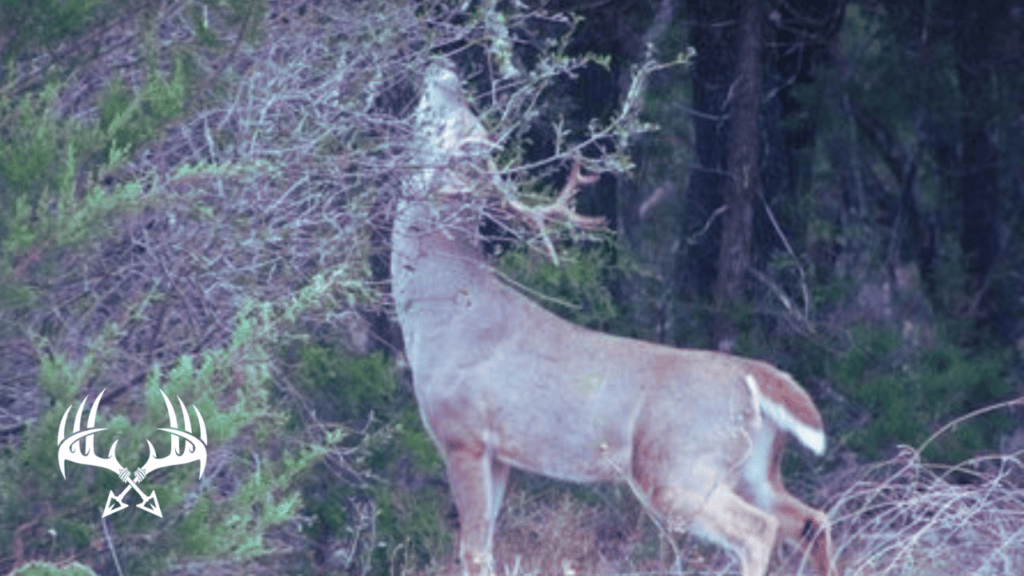
⚠️ 3. Pressure Changes Everything
🧠 Bucks don’t just relocate because someone hunted them. They react to any pressure, especially scent and sloppy access. That includes:
- Walking a field edge too often
- Setting trail cams without gloves
- Entering stand locations too often on marginal wind
📊 What the Studies Show: Bucks shifted bedding locations by an average of 200–300 yards after just one poorly timed human intrusion.
🛠️ How to Adapt:
- Use terrain-based access like creek beds or logging roads to stay quiet and concealed.
- Only hunt high-odds days — cold fronts, perfect winds, fresh sign.
- Rotate stands and let spots rest.
✅ Beginner Tip: If the wind is swirling or marginal, don’t hunt the spot. Find a different access or wait for the right day. One busted hunt can kill a week of movement.
📘 Key Term: Leeward Side — the downwind side of a ridge or hill. Bucks often bed here because it protects them from the wind and gives them a scent advantage.
🌰 4. Acorns Flip the Script
🌳 Why Acorns Matter: White oak acorns are high-carb, low-bitter nuts that deer love. When they start dropping, deer abandon open fields and feed inside the timber. This turns the entire landscape upside down.
📊 What the GPS Data Shows: As soon as acorns dropped, deer movement centered around oak flats and mid-slope feeding areas, often well inside the cover. Daylight activity increased in these areas even as it dropped in the fields.
🧭 What to Do:
- Scout high and mid-slope terrain for oak trees. Look for fallen caps, chewed nuts, and fresh tracks.
- Set up 40–100 yards downwind of the hot tree, with good access and cover.
✅ Beginner Tip: Acorn trees don’t all drop at once. If a spot looks empty, keep walking. A ridge 200 yards away could be loaded with fresh sign.
📘 Key Term: Oak Flat — a relatively flat area on a ridge with multiple oak trees. These are prime feeding areas in October.
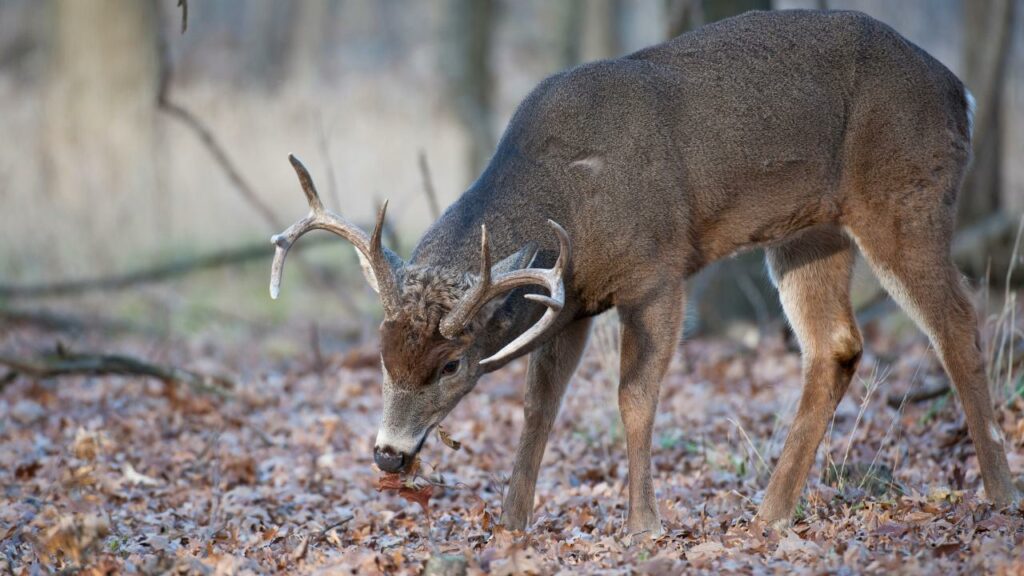
🪵 5. Rubs and Scrapes Mean It’s Heating Up
🪓 What You’re Seeing:
- Rubs: Bucks are testing out their necks, marking territory, and staging dominance.
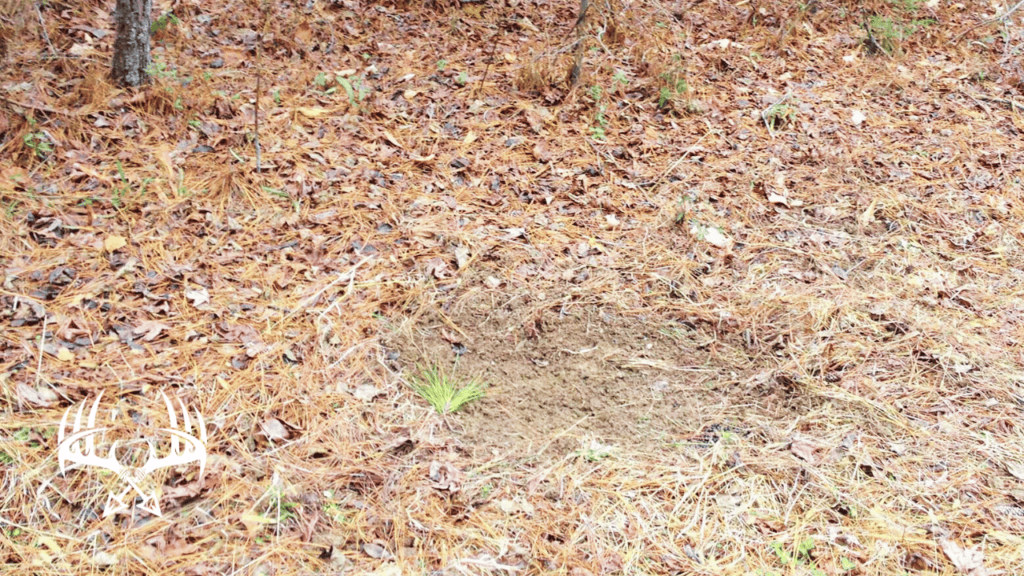
- Scrapes: Appear on internal trails, near bedding, and eventually on field edges.
📊 What the Research Shows: Scraping activity increases dramatically between October 12–25 in most hill country areas. Trail cameras often catch daylight visits to community scrapes, big scrapes used by multiple bucks and does.
🧭 What to Do:
- Hang a cam on a scrape and monitor visit timing.
- Hunt scrape lines after a cold front or when barometric pressure rises.
- Set up within 40 yards of active scrapes during the last 60 minutes of daylight.
✅ Beginner Tip: A scrape with a fresh licking branch, big tracks, and no leaf buildup is active. Don’t wait — hunt it soon.
📘 Key Term: Community Scrape — a large scrape used by multiple deer. Usually on well-used trails or staging areas.
🗺️ The October Shift Map: Where Bucks Actually Go
When hunters say “the bucks disappeared,” this is what really happened. Each stage of October triggers a new shift in movement, location, and daylight activity. Here’s the full progression, based on GPS studies and real hunting strategy:
| Date Range | What Happens | Where to Hunt |
|---|---|---|
| Oct 1–5 | Bucks vanish from bean fields | Hunt staging cover near food |
| Oct 6–10 | White oaks start dropping | Shift to acorn flats inside timber |
| Oct 11–15 | Rubs explode near bedding | Scout thick cover 100–200 yards off food |
| Oct 16–20 | First scrapes show up | Target scrape lines on mid-slope trails |
| Oct 21–25 | Community scrapes heat up | Hunt scrape hubs before dark |
| Oct 26–31 | Pre-rut movement surges | Push into terrain funnels near doe bedding |
📌 Notice the progression? It’s not a lull, it’s a layered behavioral shift. Bucks are still moving, but if you’re sitting where they were on Oct 1, you’re behind the curve by Oct 10.
🗓️ October Timing in Context: When Bucks Actually Move
You’ve seen how bucks shift their patterns in October. But timing also plays a major role in success. Here’s a month-by-month guide based on over a decade of field tracking and GPS-backed deer movement studies.
👇 Save or screenshot this chart, it’s your go-to reference for the best time to hunt each month.
➡️ Deer Movement Timing Companion Chart
Based on 10 years of in-field buck movement and behavioral study.
| Month | Best Time of Day | Best Days/Conditions | Strategic Focus |
|---|---|---|---|
| September | Last 60 min of daylight | First cold front, N/NE wind | Food-edge sits, staging cover |
| October 1–10 | Evening + post-front mid-morning | Cold front, acorn drop, cool temps | Acorn flats near bedding |
| October 11–25 | Late afternoon + cloudy mornings | Cold front, light drizzle | Scrape lines, rub clusters |
| October 26–Nov 4 | First hour AM + midday | Pre-rut wind shifts, rising pressure | Doe bedding, terrain pinches |
| November 5–12 | 10 a.m. – 2 p.m. | Peak rut, falling pressure | Funnels, scrape routes, all-day sits |
| November 13–20 | Midday to last hour light | Post-rut push, stable conditions | Travel routes, return-to-bed trails |
| Nov 21–Dec 10 | Late afternoon | First frosts, calm weather | Thermal hubs near food |
| Dec 11–31 | Mid-morning + evening | Sunny days post-storm | South-facing slopes, midday beds |
| January | Late PM during warming trend | Warmup after snow | Food-to-bed with low pressure |
*Want this chart as a printable cheat sheet? It’s available free inside the Everyday Bow Hunter Roadmap. Join Here.
⚠️ Common Mistakes During the October Lull (And How to Fix Them)
Most hunters get frustrated during mid-October because they’re doing the right things in the wrong places. Here’s what usually goes wrong:
1. Hunting the Same Field Edges from Early Season
What’s wrong: Bucks aren’t hitting open ag fields in daylight anymore. That velvet pattern is gone.
Fix it: Move back into cover. Hunt the transition zones where acorns and fresh rubs show up near bedding.
2. Ignoring Acorn Drops
What’s wrong: When white oaks start dropping, deer abandon predictable food plots and spread out. If you’re not scouting for hot feed trees, you’ll sit in dead spots.
Fix it: Walk the ridges. Find fresh droppings, tracks, and caps under oaks. That’s your hotspot now.
3. Overhunting the Same Stand
What’s wrong: Bucks start patterning you faster than you pattern them. Every sit adds pressure.
Fix it: Hunt only when conditions are ideal. Rotate stands, or scout on foot until you find fresh sign worth hunting.
4. Hunting Mornings with Bad Access
What’s wrong: A lot of guys blow out bedding areas trying to catch a buck slipping in. If your access crosses their path, you’re burning spots without knowing it.
Fix it: Only hunt mornings if you have bulletproof access and a buck bed you’ve patterned.
5. Waiting for Rut Sign to Explode
What’s wrong: Some hunters sit on the sidelines until late October scrapes appear, missing killer rub-line and scrape activity that starts earlier.
Fix it: Start hunting sign as soon as it shows up. Mid-October scrapes near bedding can be just as productive as peak-rut ones.
✅ Final Takeaways: What the October Shift Really Means
The October lull is a myth.
🦌 Mature bucks don’t vanish, they:
- Shift into tighter, safer cover
- Focus on acorns and hidden food
- Adjust bedding based on pressure
- Begin laying down early rut sign
🎯 Your Move:
- Abandon predictable field-edge sits
- Scout fresh sign daily if possible
- Trust your access and only hunt the best days
The guys who kill bucks in October aren’t lucky. They’re adaptable. They know the sign, know the food, and strike when the odds shift.
Want the full October game plan, with cheat sheets and real GPS-backed examples?
✅ Get my complete October and Rut Strategy Guides, free inside the Everyday Bow Hunter Roadmap.
Join the Everyday Bow Hunter Roadmap ➜ Hunt Smarter Now
No fluff. No guesswork. Just what works, backed by real data and real hunts.
CONTINUE THE HUNTING SYSTEM
Your Next Steps
When bucks seem to disappear, treat the change as new information and rebuild the plan around it.
1. Return to Hunt the Season
Place the October shift inside the full seasonal timeline.
2. Study Deer Intelligence
Understand how cover, food, pressure, and timing change movement.
3. Build a New Hunt Plan
Turn the new information into a Primary Hunt, Pivot Hunt, or Wait / Observe decision.
Part of the Everyday Bow Hunter System
Want to see exactly what I’m carrying this season? Check out my Personal Bowhunting Gear List for 2026