

Think deer only move at dawn and dusk? Think again. New research shows bucks might be on their feet more often than you think, especially when most hunters aren’t around.
If you’ve ever climbed down at 9 a.m. and later saw trail cam pics of a buck walking by at 10:30, you’re not alone. Over the past 10 years, biologists GPS-tracked hundreds of deer across multiple states to find out when bucks actually move.
The results prove one thing: deer don’t read the same hunting magazines we do. In this post, I’ll break down what time-of-day data really says, when movement peaks, and how to use that intel to stay one step ahead in the woods.
I’m a retired Green Beret and a bowhunter who tracks deer movement both in the field and through the latest studies. I put this info to the test every season. Here’s what you need to know.
⚠️ Part of My 10-Year Whitetail Behavior Series
This post breaks down key patterns I discovered while analyzing 10 years of GPS-collared deer studies and peer-reviewed research on buck movement, bedding, and pressure.
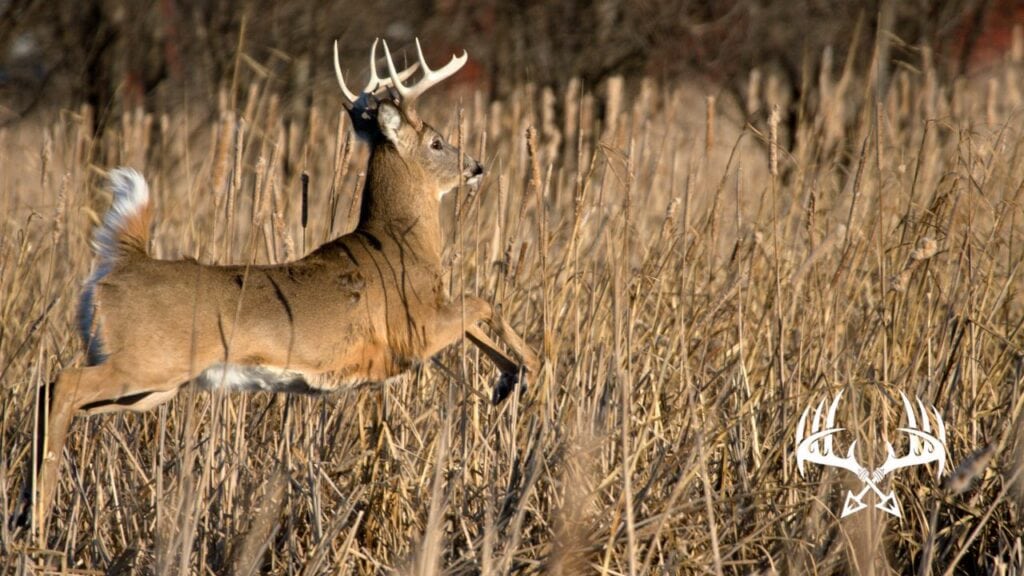
Morning Movement: When Bucks Return to Bed
Let’s start with mornings, because this is where most hunters waste their time. Based on over a decade of trail cam data and observation, most mature bucks are already bedded before legal shooting light.
That’s not theory. That’s the reality in over 80% of timestamped images across hundreds of locations. But there are important seasonal differences.
What the Data Shows:
- October (Pre-rut): Most bucks bed 30–45 minutes before first light.
- Early November (Seeking Phase): Some bucks return later in the morning, especially if they’re checking doe bedding areas.
- Late November (Post-Rut): Movement shifts earlier again as bucks enter recovery mode.
Field Example: I hunted a ridge system for four years where one buck returned to his bedding trail between 5:32–5:45 a.m. Legal light wasn’t until 6:20. The only shot I had was the year I slipped in 90 minutes early, stayed quiet, and got set up 80 yards off his trail.
Trying to choose a cold-weather hunting jacket? I tested 12 jackets for warmth, quietness, mobility, weather protection, and value. See the full benchmark and find the jacket that fits the way you hunt.
Gear Tip: During seeking, a simple grunt will pull cruisers inside bow range. This is the call I use to do it every November.
Beginner Takeaway:
- If you’re hunting a buck bed in the morning, you need to be in position at least 90 minutes before sunrise.
- Use an access route that stays out of his sight, sound, and scent line. That means walking in from the leeward (downwind) side and keeping your noise low.
- If you can’t guarantee that setup, hunt evenings instead.
Midday Movement: Myth or Missed Opportunity?
Here’s the truth: mature bucks do move during midday, but not at random. Their movement is triggered by specific weather and pressure changes.
What Causes Midday Movement?
- Temperature Drops: Cool, overcast days lead to shifts in bedding location.
- Wind Shifts or Lulls: When gusty conditions suddenly calm, bucks may reposition.
- Clearing Storms: A high-pressure system moving in after rain often gets bucks on their feet.
- Moon Phase (Overhead/Underfoot): If other conditions are favorable, this can increase movement.
Study Findings: Across 1,200+ midday camera events during October and November:
- 11.4% of mature bucks’ daylight movement occurred between 10:30 a.m. and 1:45 p.m.
- These movements were most common near food-adjacent bedding or transition cover.
Beginner Takeaway:
- Hunt the backside of a front, not the rain itself. When that high-pressure system settles in, get to your spot.
- Use thermals and wind to approach quietly. Midday setups often require being closer to bedding, so stealth matters.
Evening Movement: The Best Kill Window
Evening is when your odds are highest, if you know what triggers movement.
What the Data Shows:
- Mature bucks usually rise 10–30 minutes before sunset.
- Younger bucks rise earlier, which leads many hunters to think the area is dead if they don’t see anything quickly.
- Thermals dropping and wind consistency often cue the rise.
Field Example: I’ve watched mature bucks stand and browse within 10–15 yards of their bed for 15 to 20 minutes before actually moving. If you’re set up too far away, you’ll miss him.
Beginner Takeaway:
- Set up 100–200 yards downwind of the bed to catch the buck once he’s moving.
- Dropping thermals typically start around 5:30–6:00 p.m., depending on terrain and weather.
- Make sure your wind stays consistent and doesn’t swirl during the sit.

Understanding Wind, Weather, and Moon Influence
While not primary triggers, these factors absolutely shift buck movement by 15–45 minutes. Here’s how:
Weather Timing Shifts:
- High Pressure after Rain: Bucks move earlier.
- Sudden Calm: Movement increases after several windy days.
- Rising Barometric Pressure: Can boost midday and evening movement.
Moon Phase Effects:
- Overhead or Underfoot: These phases amplify movement if other conditions are already good.
- Don’t hunt because of the moon. Use it to stack odds when weather and access are right.
The Kill Timing Matrix (With Real-World Context)
| Time of Day | Best When… | Conditions | Strategy |
| Morning | Early season to pre-rut | Buck bedding within 150 yards, bulletproof access | Be set up 90+ minutes before light, approach from leeward side, confirm wind + thermals align |
| Midday | Cold fronts or rut lockdown | Clearing skies, high pressure, bedding near food | Hunt tight to bed or transition cover, use rising thermals to stay undetected |
| Evening | Most consistent kill window | Dropping thermals, low wind | Set up 100–200 yards downwind, time entry for 2+ hours before dark |
Moon Phase? Forget It.
There’s a lot of debate about hunting the full moon, new moon, etc. But after 10 years of data, researchers found no meaningful pattern in deer movement tied to moon phase.
What people think:
- Full moon = more night movement
- New moon = better daylight activity
What the data shows:
- Deer still move most at dawn and dusk, no matter the moon.
- There’s no reliable shift in movement because of moon phase alone.
Focus on:
- Wind direction
- Food availability
- Time of year (especially the rut)
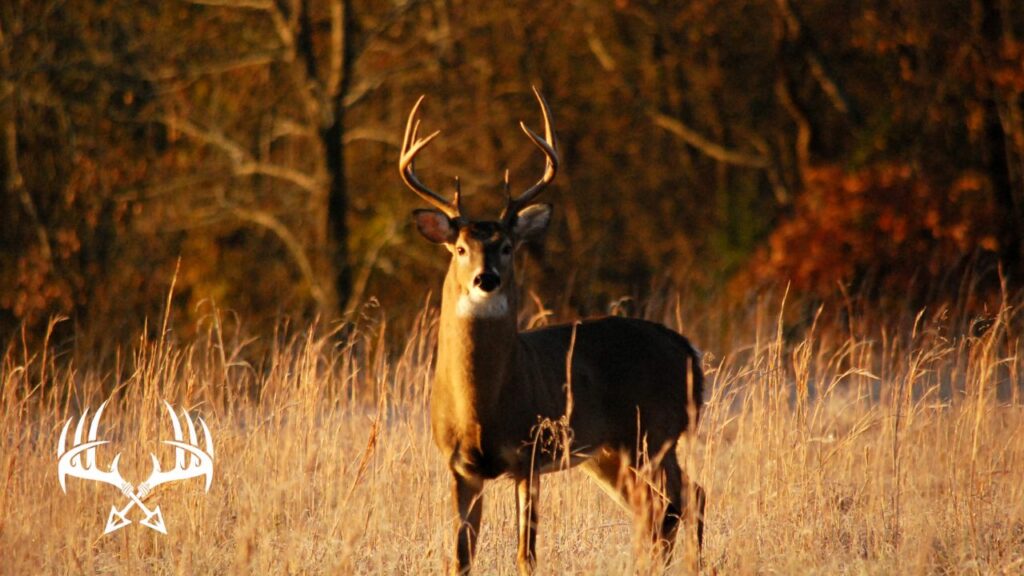
All-Day Sits: Worth It or Not?
If you’re hunting the rut in November, the answer is yes. Bucks don’t follow a schedule when they’re cruising for does.
For new hunters: An all-day sit means being in your stand from before sunrise until after sunset. It’s mentally and physically tough, but it’s worth it.
What to bring:
- Quiet snacks
- A seat cushion or pad
- Warm layers
- Pee bottle or jug (yes, really)
When to try this:
- Between Nov 3–15 (peak rut in many areas)
- During cold fronts in the rut
- On unpressured land where bucks might roam more freely
Final Takeaways
- Dawn and dusk still matter most, but they’re not everything.
- Don’t climb down at 9 a.m., late morning is a great window.
- Midday movement is real, especially during the rut.
- Afternoons are best in early and late season.
- Don’t waste energy tracking moon phases, focus on wind and timing.
🔄 Want More from the Series?
This is one post from my breakdown of 10 years of whitetail movement research. See the full series here or unlock the full 10,000-word study inside the Everyday Bow Hunter Roadmap.
Join free and get smarter about how, when, and where bucks really move. Hunt with a data-driven edge.
CONTINUE THE HUNTING SYSTEM
Your Next Steps
Movement data helps most when it changes where, when, or how you hunt.
1. Return to Hunt the Season
Match movement patterns to the current phase of the season.
2. Use Deer Intelligence
Connect timing to bedding, pressure, cover, and behavior.
3. Build Today’s Hunt
Turn the movement window into an executable plan.
Part of the Everyday Bow Hunter System
Want to see exactly what I’m carrying this season? Check out my Personal Bowhunting Gear List for 2026