
Ever notice how deer vanish after opening day? It’s not magic, it’s pressure. But most hunters don’t realize how fast deer adapt or how long they stay gone. Here’s what 10 years of GPS data tells us about pressure, and how to hunt smarter because of it.
You can scout all summer, have perfect stand setups, and pattern your buck to the day. Then hunting season opens, and it’s like the woods go dead. That’s pressure. And it doesn’t take much. In this post, I’ll show you how deer react to human pressure, how long they avoid disturbed areas, and what you can do to still kill a buck even after the woods heat up.
I’ve hunted pressured public land my entire life. Anyone who hunts with me knows that I hate having other hunters near me. But, over the last few years and after digesting the data in these collared deer studies, I’ve become a lot more flexible. With this in mind, I can tell you exactly how deer respond to us and how to turn pressure into your advantage.
Final Post in the 10-Year GPS-Collared Deer Study Series
- Deer Don’t Just React to Pressure: They Anticipate It
- The First Sit Is Your Best and Every Sit Leaves a Trace
- Hunting Pressure Changes When Bucks Move, Not Just Where
- Public Land Bucks Don’t Just Adapt: They Evolve
- You Can Use Pressure to Move Deer, If You Time It Right
- What 10 Years of GPS Data Has Taught Us About Pressure
- Where This Fits in The Everyday Bow Hunter System
- Your Next Steps
Deer Don’t Just React to Pressure: They Anticipate It
One of the clearest findings from long-term GPS studies is that mature bucks begin changing their behavior before hunting season even starts. That’s not speculation, it’s repeated data across multiple states. I
n one collar study, bucks shifted their movement windows by more than two hours within just a couple days of pre-season human activity. That means even before the first arrow flies, bucks are already adjusting.
Why does this happen? Because deer are masters of survival, and human presence (even subtle) tips them off. Hanging a stand, checking trail cameras, trimming branches, or just walking a trail twice in a week is enough for a buck to recalibrate.
Some bucks in the studies left their early-season core areas entirely after just one daytime encounter with a human. One mature buck didn’t return to a disturbed bedding zone for nearly two weeks, despite no shot ever being taken.
If you’re scouting heavy right up to opening day, there’s a good chance you’re educating the very deer you’re planning to hunt. Pressure isn’t always a loud shot or a blown stalk; sometimes it’s just your scent on a branch or your boots crossing a trail. And according to the data, bucks don’t need much to change everything.
The First Sit Is Your Best and Every Sit Leaves a Trace
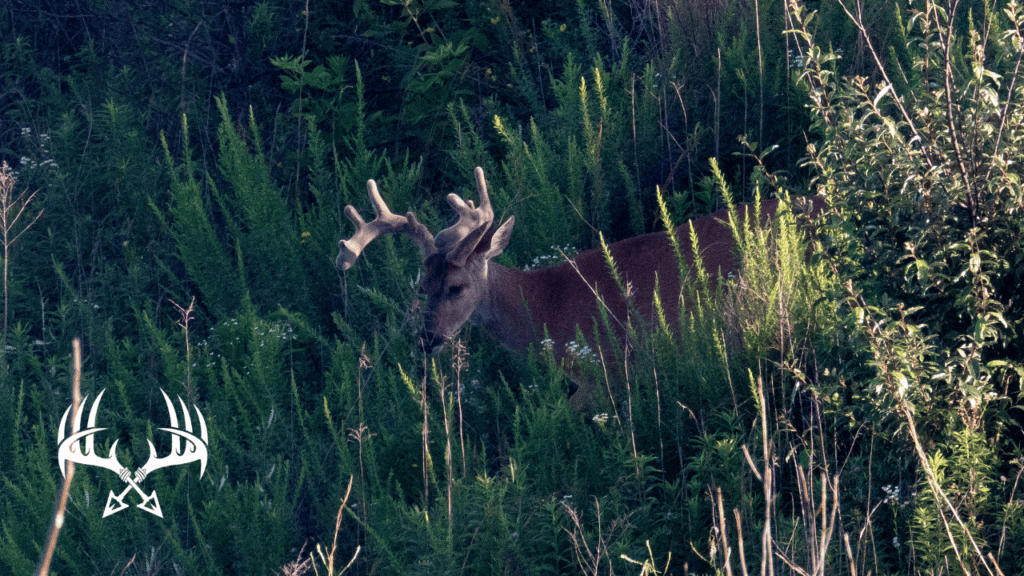
GPS studies also revealed how bucks respond to hunting stands themselves, even when a hunter doesn’t make a visible mistake. In one well-cited study from Mississippi State, mature bucks started avoiding stand locations for several days after just a single hunt, even when there was no shot, no spook, and no obvious alert.
The avoidance wasn’t dramatic at first, often just a slight shift in travel route or movement timing, but it was enough to push them outside of bow range or legal light.
That pattern only got worse with repeated sits. The more often a stand was hunted, the longer deer stayed away. This wasn’t theory. The collars showed clear avoidance behavior, often lasting 3 to 5 days, and sometimes longer when scent was involved. The biggest offender? Poor wind discipline and sloppy access.
If you’re hunting the same stand multiple times in a week, you’re likely killing your chances faster than any coyote howl ever could. And if you’re not using wind-based entry routes, you’re leaving behind a trail that deer can and do avoid.
You may not see the results that night, but the data shows deer adjust within hours. That’s why the first sit in a clean stand is almost always your highest odds, after that, your window starts closing.
Trying to choose a cold-weather hunting jacket? I tested 12 jackets for warmth, quietness, mobility, weather protection, and value. See the full benchmark and find the jacket that fits the way you hunt.
Gear Tip: During seeking, a simple grunt will pull cruisers inside bow range. This is the call I use to do it every November.
Hunting Pressure Changes When Bucks Move, Not Just Where
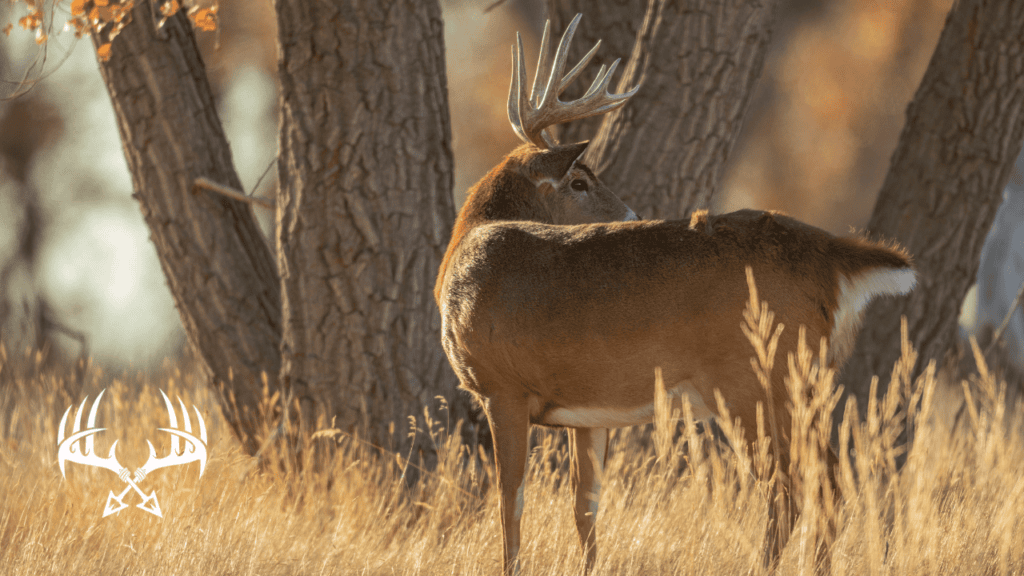
Another myth the studies destroyed is that bucks simply “go nocturnal” when pressured. It’s not that simple. What really happens is that they compress their daylight movement and relocate to areas where they feel secure.
The collars revealed that bucks in pressured zones still moved during daylight, but far less, and only in tight windows during low-pressure periods. Midweek days, poor weather, and extreme cold often created the only cracks in their armor.
Weekend pressure was the most consistent suppressor of daylight movement. When hunter density spiked on Saturday morning, bucks didn’t just disappear; they held tight in thick cover, waited longer to move, and often staged just inside the woods until well after legal light.
And the more consistent the pressure, the narrower those movement windows became.
If you’re only hunting weekends, you’re hitting deer at their most guarded. The collars confirmed what many hunters suspected but couldn’t prove: hunting pressure doesn’t just change where deer are, it changes how long they wait before moving.
For the everyday bow hunter, that means one of your best tactics is to flip the script. Hunt midweek if you can. Hit cold fronts when the pressure drops. And understand that even if your spot looks dead, it’s not empty. The deer are just watching from 75 yards away, waiting for you to leave.
Public Land Bucks Don’t Just Adapt: They Evolve
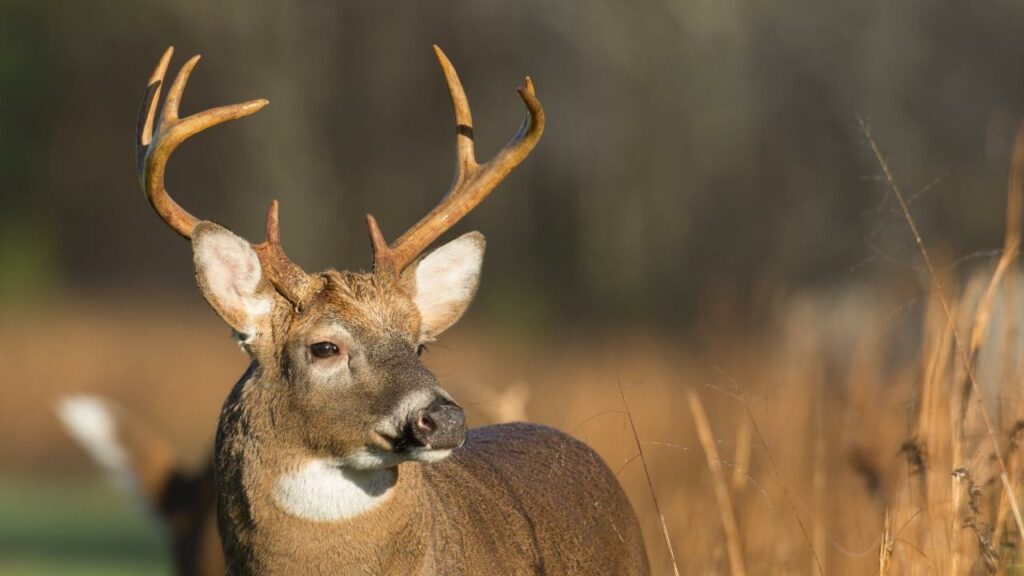
Across all the GPS data sets I reviewed, one pattern stood out with brutal clarity: public land bucks develop pressure response skills faster and more aggressively than their private land cousins. These deer learn how to survive by avoiding predictability, and that makes them deadly smart.
One of the most fascinating findings was the concept of “sentinel bedding.” Several mature bucks in one study bedded within 100–200 yards of parking lots and access trails, not because they felt safe, but because they could watch the pressure come in.
These deer used visibility, thermals, and elevation to detect intrusion and slip away before ever being seen. That’s not luck. That’s evolution under pressure.
These same bucks regularly shifted bedding locations every 1–3 days during the season. Many avoided consistent patterns entirely. Rather than bedding in the same spot every time the wind was right, they rotated through micro-locations based on wind, human scent, and what happened the day before.
I’ve killed bucks in these exact conditions. In fact, some of my best hunts have come just inside the pressure line, not miles deep. These bucks weren’t naive. They were tactical, and I beat them by thinking like they did.
You Can Use Pressure to Move Deer, If You Time It Right
The final piece of the puzzle — and maybe the most encouraging — is that pressure can actually help you if you know how to predict it. Deer don’t just vanish forever when pressured. Many return to their core areas within 24 to 48 hours, but only when they feel safe again. That’s your window.
One of the biggest takeaways from GPS research is that deer follow predictable escape patterns when bumped. Collars showed bucks consistently retreating into thick terrain funnels, creek beds, or isolated thickets after high-pressure events. If you can identify those pinch points or exits, you can position yourself to ambush them on the rebound.
Timing is everything here. If you know opening day is going to push deer out of a food plot, you should already be in the escape cover. If Sunday’s pressure was heavy, Monday afternoon may be your best shot as deer slip back in cautiously. You’re not just hunting deer at that point; you’re hunting pressure itself.
That’s the next level of strategy, and it’s what separates casual sits from surgical kills.
What 10 Years of GPS Data Has Taught Us About Pressure
This post closes out my 10-year GPS-collared deer study series, and it does so with a clear warning. Pressure isn’t just a background factor. It’s one of the dominant forces shaping mature buck behavior.
If you’ve followed the other posts in this series, food, bedding, core range, and travel corridors, this is the thread that ties them all together. Because no matter how perfect the sign is, or how well you think you know a buck’s routine, he will adapt to you faster than you adapt to him, unless you’re thinking one move ahead.
Pressure changes everything. And if you’re not accounting for it in every plan, sit, and scouting mission, you’re hunting ghosts.
Want to see the entire 10-Year Study? Read the complete 10-Year Deer Study.
Where This Fits in The Everyday Bow Hunter System
This article supports the Deer Intelligence side of The Everyday Bow Hunter system. The next step is to turn that deer behavior or sign into a huntable plan.
CONTINUE THE HUNTING SYSTEM
Your Next Steps
Pressure changes where deer feel safe, when they move, and how quickly a good location can stop producing.
1. Study Deer Intelligence
Use behavior and pressure research to improve the plan.
2. Map Pressure and Refuge
Add hunting pressure and security cover to the Kill Zone Mapping process.
3. Build a Strategic Hunt
Turn pressure, timing, access, and conditions into a better decision.
Part of the Everyday Bow Hunter System
Want to see exactly what I’m carrying this season? Check out my Personal Bowhunting Gear List for 2026
