

Hunters kill deer in solid colors every year. That doesn’t mean solid colors hide you as well as a good camo pattern. A solid jacket can leave you looking like one big shape against the background. The right camo helps break up that outline and keeps you from standing out as much when you move.
In Special Forces, concealment was part of my job. When staying hidden mattered, we reduced contrast, broke up the human outline, and controlled movement. I use the same basic idea when I hunt.
Here is the short answer: solid colors can work, but they can also leave you looking like one big shape against the background. A good camo pattern uses color and larger breakup to break apart that outline. It can also make small, controlled movement less obvious to a deer.
This does not mean every camo pattern works everywhere. The pattern still needs to match the season, cover, light, and way you hunt.
What the Science Says
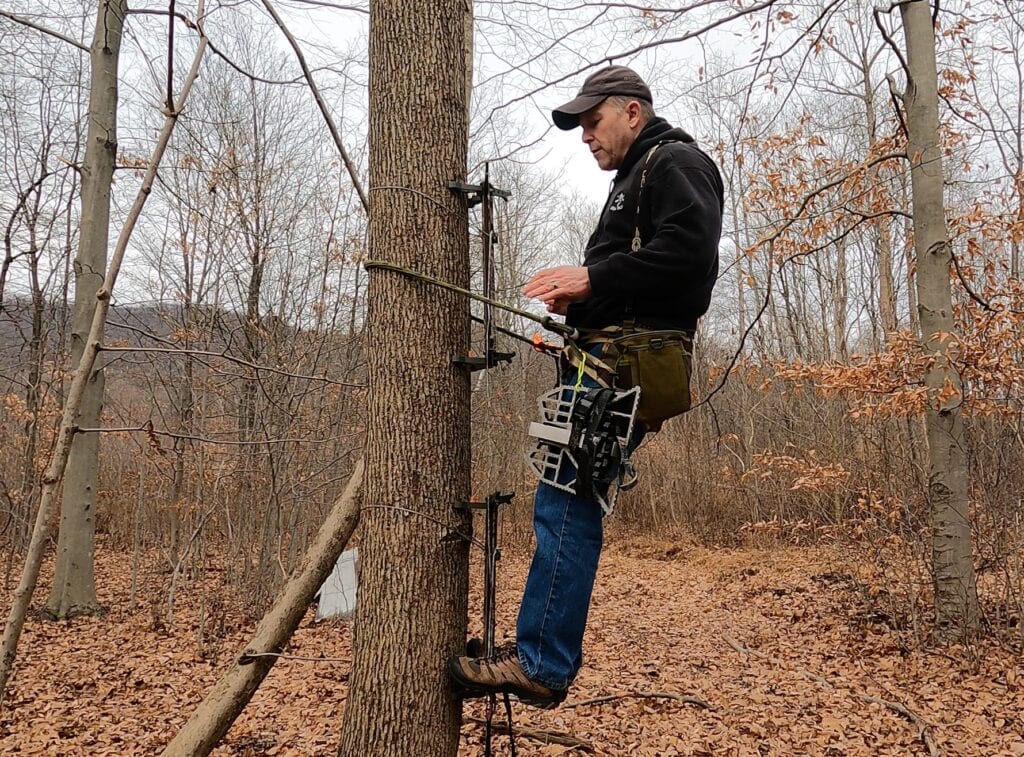
A whitetail’s eyes are built to find movement and contrast, especially in low light. Penn State’s summary of deer-vision research explains that deer have many light-sensitive rods, strong motion detection, and a wide field of view.
In a field experiment, researchers placed artificial moth-like targets where birds could find them. The study on disruptive coloration and background matching found that disruptive patterns helped hide the targets better than background matching alone. The false edges made the targets’ real outlines harder to pick out. The test did not involve deer or hunting clothing, but it supports the same outline-breaking principle used in good camo.
A separate behavioral study of white-tailed deer visual sensitivity found that deer are more sensitive to shorter wavelengths and may also see into the ultraviolet range. That supports paying attention to fabric brightness, blue tones, and optical brighteners.
These studies did not rank Sitka, First Lite, ASIO, or any other hunting brand. They support the principles behind effective camo: match the background, control contrast, avoid excess brightness, and break up the human outline.
For the full explanation of how whitetails see color, light, and movement, read my Deer Vision 101 guide.
“My Grandpa Wore Blue Jeans and Still Killed Deer”
Yes, they did. They also used cover, stayed still, watched the wind, and waited for a close shot. Those skills mattered then, and they still matter now.
Camo does not replace woodsmanship. It gives you another advantage by breaking up the human shape and reducing the contrast between you and the woods.
The question is not whether a hunter can kill a deer in blue jeans. The question is whether a well-matched camo pattern gives that hunter better concealment. The science and my field experience both say it does.
READ: Deer Vision 101: How Deer See Color, Light, and Movement
Why Effective Camo Has the Advantage
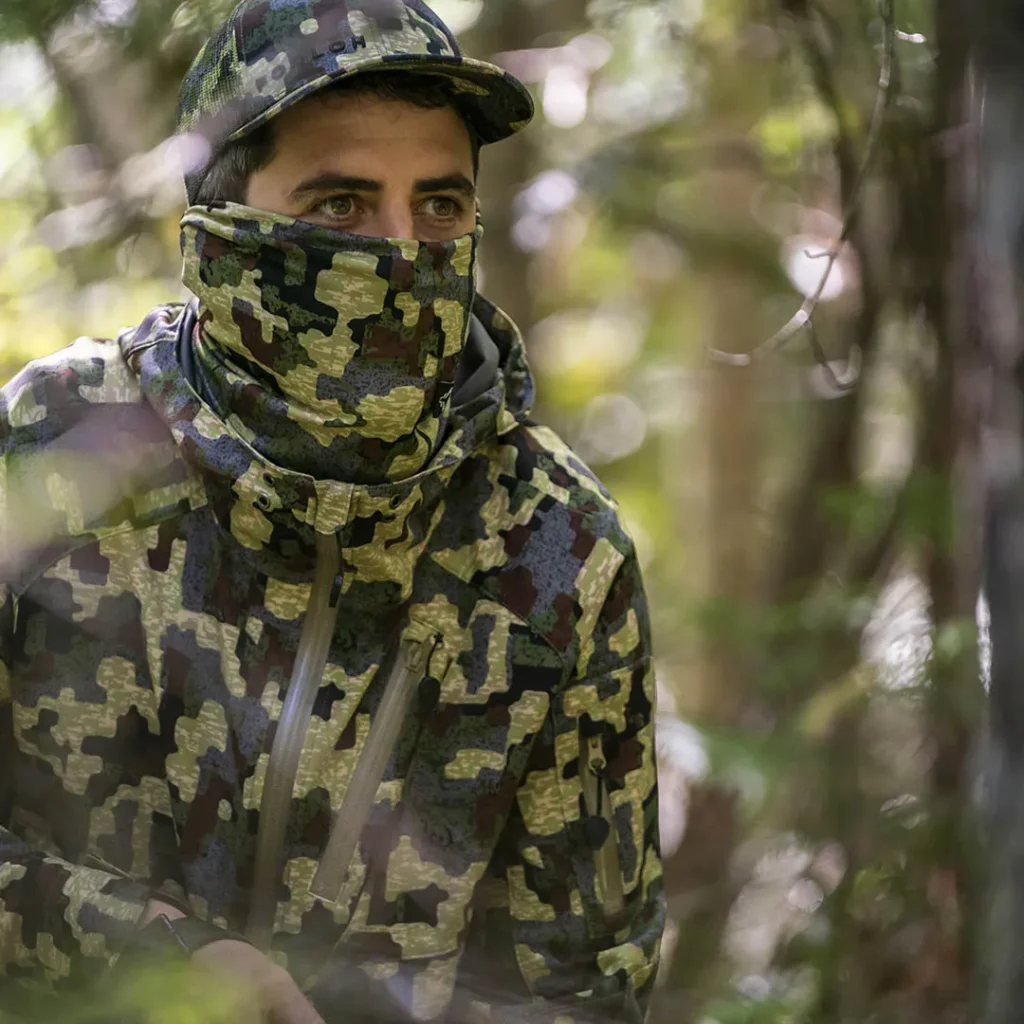
A solid color creates one unbroken surface. If that surface is lighter, darker, or a different tone than the background, the hunter can appear as one large human-shaped block.
Effective camouflage does two jobs. Its colors help it fit the environment, and its larger pattern breaks the outline into smaller shapes. This becomes even more important when you turn your head, raise your bow, or come to full draw.
Solid colors can be enough when you’re inside a blind or hidden behind heavy cover. But in those situations, the blind or the cover is doing most of the work. When my clothing has to help keep me hidden, I want a camo pattern that matches the woods and breaks up my outline.
That doesn’t mean every layer in my clothing system has to be camo. A solid base layer or midlayer doesn’t matter when it stays covered. I care most about the outer layers, head covering, gloves, and anything else a deer can actually see.
I want every reasonable advantage I can get. Wearing camouflage that matches the environment and breaks up my shape is one of those advantages.
This isn’t about what looks cool. It’s about what works. Deer don’t care what brand you wear, they care if they can see you move. And large blocks of solid color make that easier.
– Mike Manley, Retired U.S. Army Green Beret and Mobile Bowhunter
What Effective Camouflage Does Better
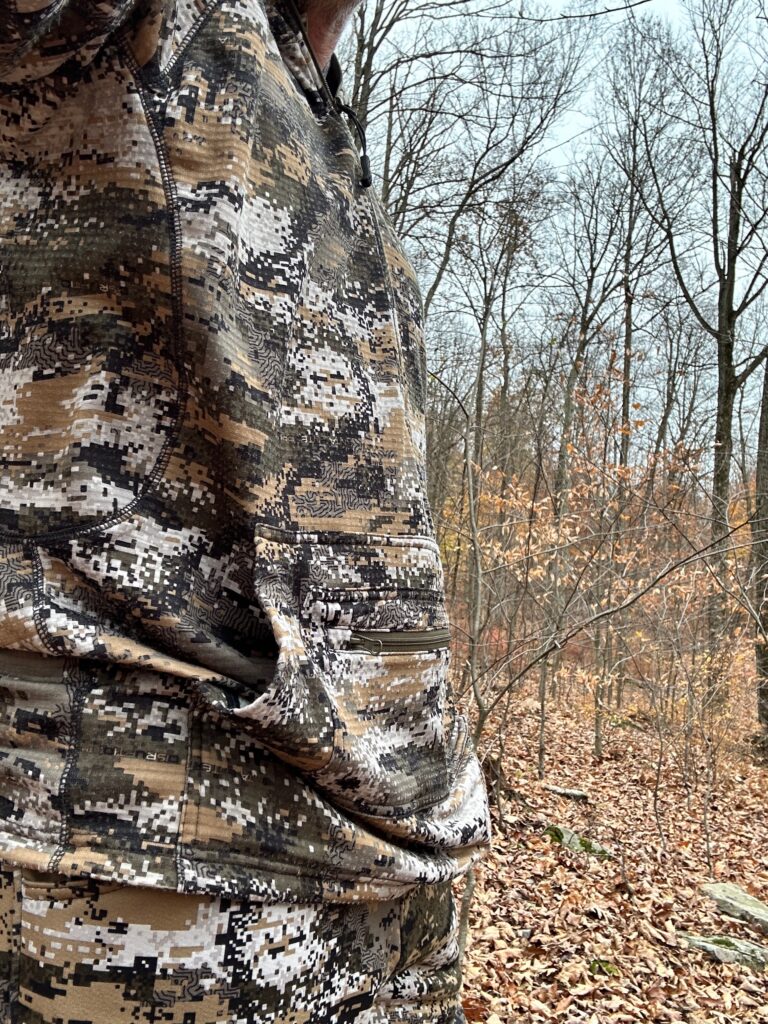
- Breaks up your outline: Large and small pattern elements make the head, shoulders, and torso harder to read as one shape.
- Controls contrast: The right colors keep you from becoming one bright or dark block against the woods.
- Matches the setting: Early green cover, leaf-off hardwoods, open terrain, and treestands create different concealment problems.
- Covers exposed skin: A face mask and gloves can reduce the bright patches created by your face and hands.
Camo does not make bad movement disappear. You still need to move slowly, use cover, and choose the right time to draw. But when the pattern matches the background and breaks up your outline, it can make small, controlled movements less obvious to a deer.
What I Would Wear
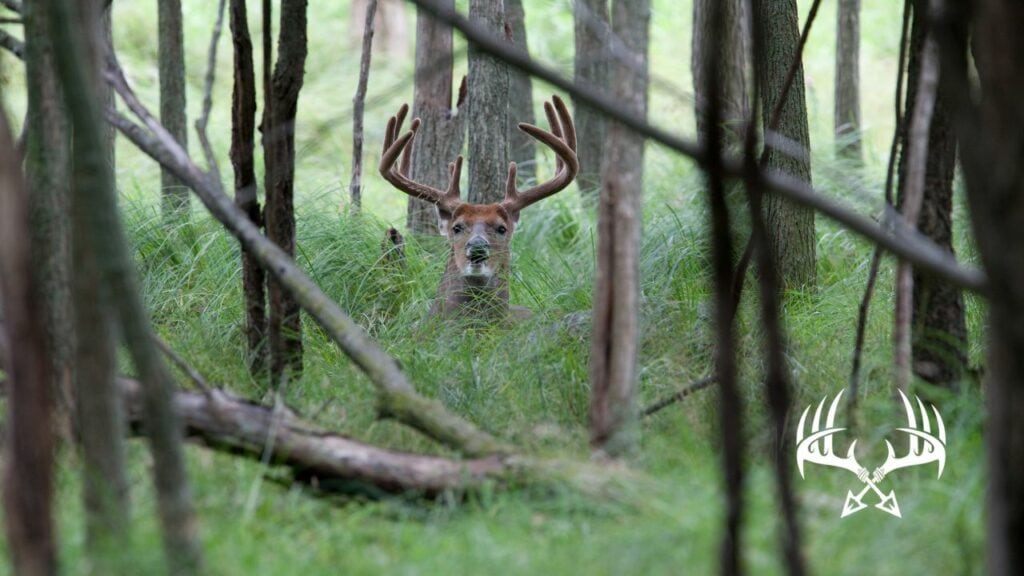
If I’m choosing between a solid jacket and a camo pattern that fits the woods I’m hunting, I’m taking the camo. It gives me one more advantage by keeping me from looking like one big human-shaped block when I turn, reach for my bow, or come to full draw.
The pattern still has to fit the season, cover, and background. Camo will not fix bad movement, poor stand placement, or the wrong wind, but it can help keep a small movement from becoming an obvious warning sign.
CONTINUE THE CLOTHING SYSTEM
Your Next Steps
Use this comparison to decide what your visible outer layers need to do, then build the rest of your clothing system around the hunt.
1. Build Your Clothing System
Work through MOVE, BUILD, LOCK, and BOOST in the right order.
2. Review My Current Gear List
See what I am carrying and the job each piece performs.
3. Start With the Science of Camouflage
Understand what concealment can and cannot do before choosing a pattern.
Part of the Everyday Bow Hunter System
Want to see exactly what I’m carrying this season? Check out my Personal Bowhunting Gear List for 2026